News
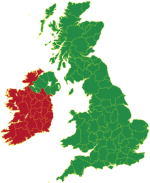
The Republic of Ireland (Éire), an independent sovereign nation that covers about
five-sixths of the island.
Its capital is Dublin, and it is a member of the European Union.
Although we list some inns in Ireland we don’t have a resident Badger on the
Island so we are limited by the number of visits we can make.
We also have limited photos as our major trip travelling around the republic was
marred by the theft of our car in Cork which unfortunately had all three of our
cameras in the boot.
If you happen to see a fantastic photo of two almost horizontal yachts trying to
get in to Howth harbour in extreme windy conditions, please let us know as we’ve never seen our own photos.
Towns and cities
Dublin:
The capital city, known for Trinity College, the Book of Kells, Dublin Castle, Guinness Storehouse, and vibrant neighbourhoods like Temple Bar.Cork:
Known as the "Rebel City," Cork is the second-largest city in Ireland. Key attractions include St. Fin Barre’s Cathedral, Blarney Castle (just outside the town), and a thriving food scene at the English Market.Galway:
A lively cultural hub, known for its festivals, pubs, and traditional music. Attractions include Eyre Square, the Spanish Arch, and proximity to the Aran Islands and Cliffs of Moher.Limerick:
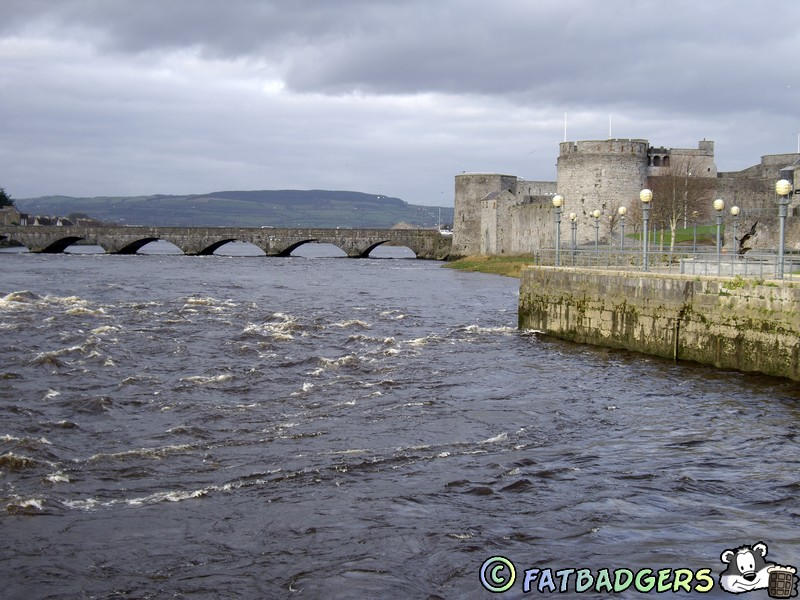
A historic city on the River Shannon, Limerick is known for King John’s Castle, St. Mary’s Cathedral, and Thomond Park, home to Munster rugby.Waterford:
Ireland’s oldest city, famous for Waterford Crystal and its Viking heritage. Key sites include Reginald’s Tower and the Waterford Greenway.Kilkenny:
A medieval town known for Kilkenny Castle, St. Canice’s Cathedral, and its lively arts and crafts scene.Sligo:
Associated with the poet W.B. Yeats, Sligo offers beautiful landscapes like Benbulben mountain and Strandhill Beach.Killarney:
A popular tourist town, serving as the gateway to the Ring of Kerry and Killarney National Park, including Muckross House and the Gap of Dunloe.Wexford:
Known for its opera festival and Viking heritage. Key sites include Hook Lighthouse and the Irish National Heritage Park.Drogheda:
Located near the UNESCO World Heritage Site of Newgrange and the Battle of the Boyne site. A historic town with medieval walls and churches.Athlone:
Known for Athlone Castle and its central location on the River Shannon. It’s also home to the oldest pub in Ireland, Sean's Bar.Clonmel:
A charming town in County Tipperary, known for its medieval history and nearby Slievenamon mountain.Ennis:
The largest town in County Clare, known for traditional Irish music, its picturesque streets, and proximity to The Burren.Navan:
The county town of Meath, near important historical sites like Hill of Tara and Newgrange.Tralee:
Known for the Rose of Tralee Festival, Tralee also offers the Tralee Bay Wetlands Centre and access to the Dingle Peninsula.Westport:
A picturesque town in County Mayo, known for Westport House and its proximity to Croagh Patrick, a pilgrimage mountain.Letterkenny:
The largest town in Donegal, near Glenveagh National Park and a gateway to the Wild Atlantic Way.Mullingar:
Known for its lakes, Lough Ennell and Lough Owel, and the nearby Belvedere House and Gardens.Dingle:
A small coastal town famous for its beautiful scenery, the Dingle Peninsula, and Fungie the Dolphin.Tullamore:
Known for Tullamore D.E.W. Whiskey, the Slieve Bloom Mountains, and its heritage as a market town.Area
70,273 sq. km / 27,133 sq. miles
Population
5,281,600 (2022)
Topography
Island Area:
Ireland is the third-largest island in Europe and the 20th-largest in the world.Landscape:
It is known for its lush green countryside, earning it the nickname "The Emerald Isle." The island features rolling hills, mountain ranges (such as the Macgillycuddy's Reeks), rivers (like the Shannon, Ireland’s longest river), and rugged coastlines dotted with cliffs, including the famous Cliffs of Moher.Climate:
Ireland has a temperate maritime climate, influenced by the Atlantic Ocean, with mild winters and cool summers.Commerce
Modern Economy:
The Republic of Ireland has a highly developed and fast-growing economy, often referred to as the Celtic Tiger in the 1990s and 2000s due to rapid economic expansion.Key Sectors:
The economy is driven by technology, pharmaceuticals, financial services, and agriculture. Dublin is a major hub for multinational tech companies like Google, Facebook, and Apple.EU Membership:
Ireland is a member of the European Union, and as such, it uses the euro (€) as its currency.Exports:
Major exports include pharmaceuticals, medical devices, software, and food products.Famous people
James Joyce, W.B. Yeats, Bram Stoker, Oscar Wilde, Arthur Wellesley, Ernest Shackleton, Sir Francis Beaufort
Attractions
History
Ancient Ireland:
Human habitation of Ireland dates back to around 6000 BCE, with the Celts arriving around 500 BCE. The country has a rich history of ancient monuments, including Newgrange, a prehistoric passage tomb older than the Pyramids of Egypt.Viking and Norman Periods:
From the 9th century onwards, Ireland faced invasions by the Vikings and later the Normans, with the latter setting the stage for centuries of English influence.British Rule and Independence:
Ireland was under British control for many centuries. After a long history of resistance, including the 1916 Easter Rising, the island was partitioned in 1921, leading to the creation of the Irish Free State (later the Republic of Ireland) and Northern Ireland.Modern Independence:
In 1949, Ireland officially became a republic, severing its last legal ties with the British monarchy.Culture
Language:
The official languages of the Republic of Ireland are Irish (Gaeilge) and English. While Irish is the first official language, English is the dominant language spoken throughout the country.Literature:
Ireland is renowned for its literary heritage. Famous writers include James Joyce, W.B. Yeats, Samuel Beckett, Seamus Heaney, and Oscar Wilde. The country celebrates Bloomsday every year in honour of Joyce’s Ulysses.Music and Dance:
Traditional Irish music and dance are integral parts of the country's identity. The use of instruments like the fiddle, tin whistle, and bodhrán are characteristic of traditional music. Modern Irish rock bands, such as U2 and The Cranberries, have achieved global fame.Festivals:
The most widely recognized Irish celebration is St. Patrick’s Day on March 17, which honours Ireland's patron saint and is celebrated globally. Ireland’s breathtaking landscapes, vibrant cities, and cultural heritage make it a popular tourist destination. Major attractions include:Ballymastocker Bay:
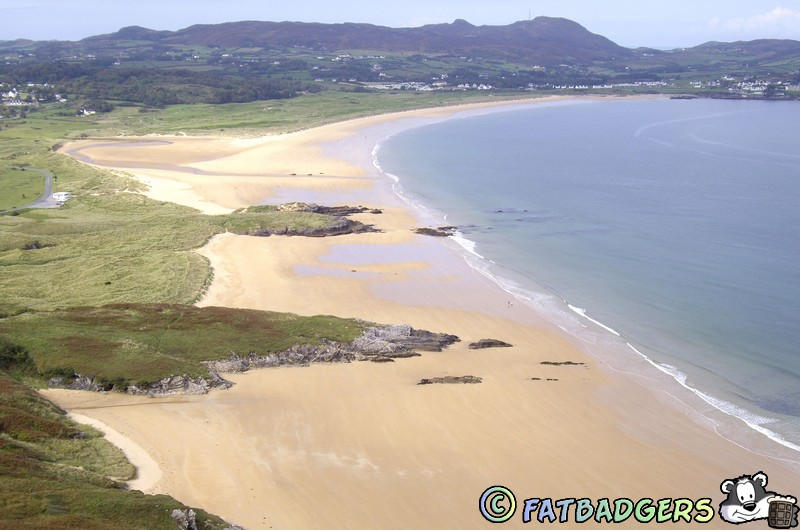
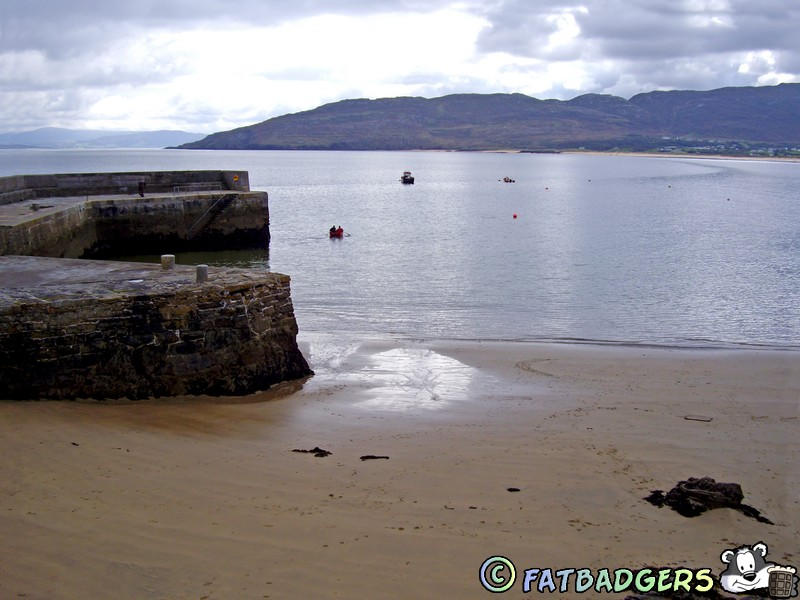
Also known as Portsalon Beach, is a stunning stretch of coastline located on the Fanad Peninsula in County Donegal, Ireland. It is renowned for its breathtaking natural beauty, golden sands, and clear blue waters, often being considered one of the most beautiful beaches in Ireland and even the world. Ballymastocker Bay is a wide, sandy beach that stretches along the shores of Lough Swilly. The bay is framed by gently sloping sand dunes and lush, green hills, with its sands stretching for several kilometres, providing plenty of space for walking, relaxing, and taking in the scenery. The Knockalla Mountains rise behind Ballymastocker Bay, adding a dramatic backdrop to the peaceful beach. These mountains are part of the Wild Atlantic Way, and the drive along the coastal road offers breathtaking views of both the bay and the surrounding landscape. Ballymastocker Bay has consistently ranked among the most beautiful beaches in the world. It was famously awarded the title of the second-best beach in the world by the Observer Travel Awards in the early 2000s, further solidifying its status as a must-visit destination for beach lovers. The small village of Portsalon, located at one end of the bay, is a charming settlement that offers accommodation, dining, and access to the beach.Moville:
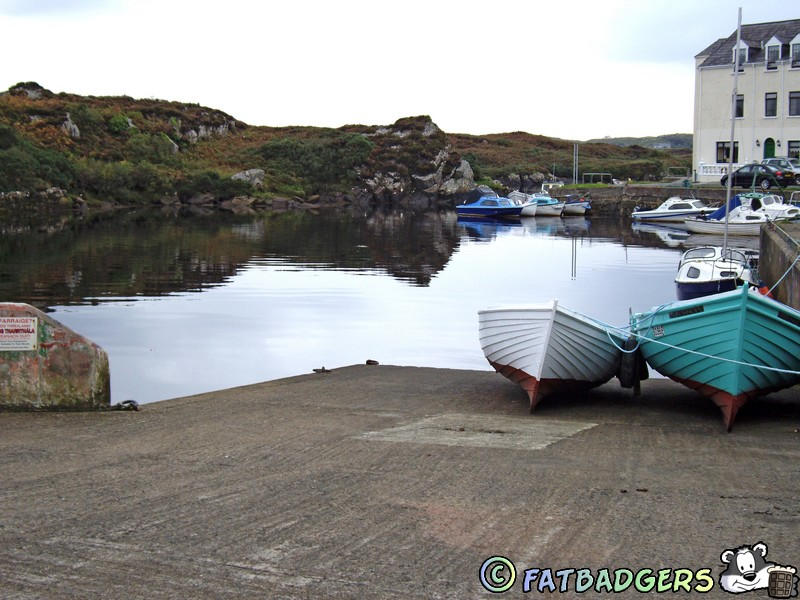
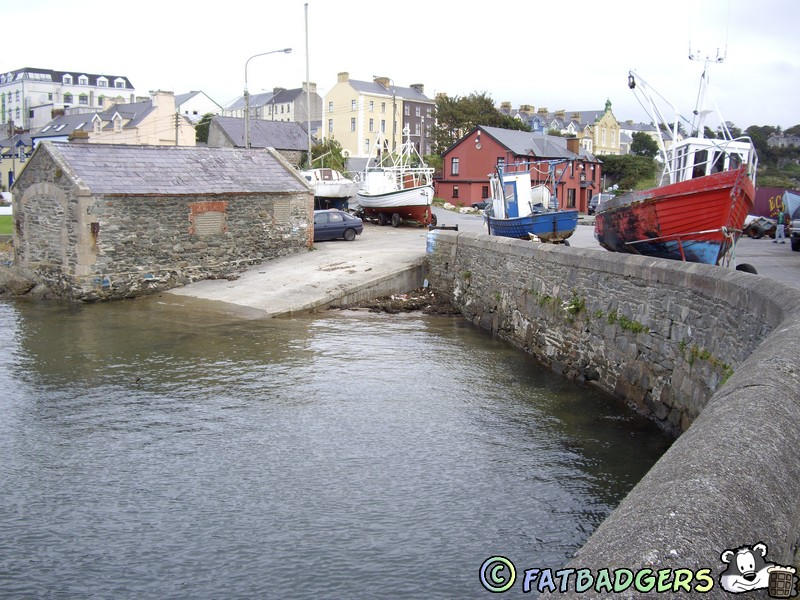
Picturesque seaside town located in County Donegal, situated on the eastern side of Lough Foyle. It is part of the Inishowen Peninsula and is known for its scenic beauty, charming atmosphere, and rich history. The town has connections to various historical events, including trade and maritime activities. It was also a significant site during the 19th-century Irish emigration, serving as a departure point for many emigrants heading to America.The Cliffs of Moher:
One of Ireland’s most famous natural landmarks, these towering sea cliffs offer stunning views of the Atlantic Ocean.Derryveagh Mountains:
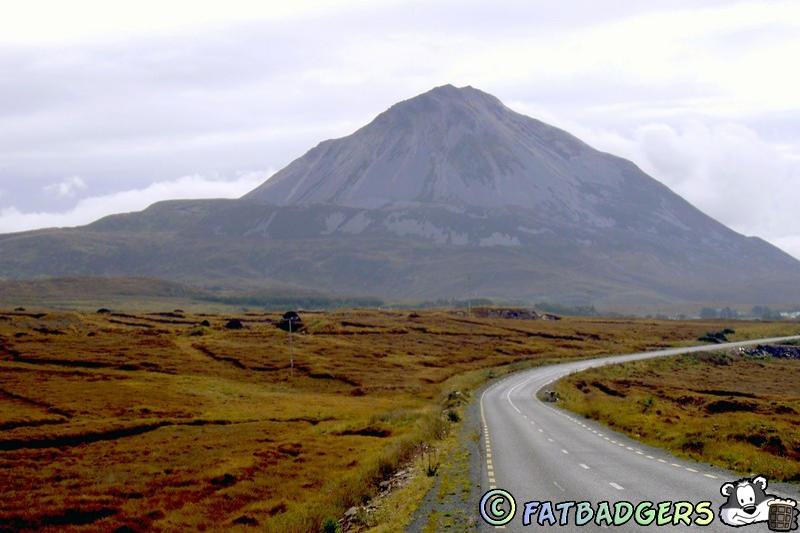
Mount Errigal is the highest peak of the Derryveagh Mountains in County Donegal, Ireland, standing at 751 meters (2,464 feet). Known for its striking beauty and distinctive shape, Errigal is part of the Seven Sisters mountain range and is one of the most iconic mountains in Ireland. It’s famous for its steep quartzite slopes, which glow in different shades depending on the time of day and weather conditions, giving the mountain a unique appearance.Dublin:
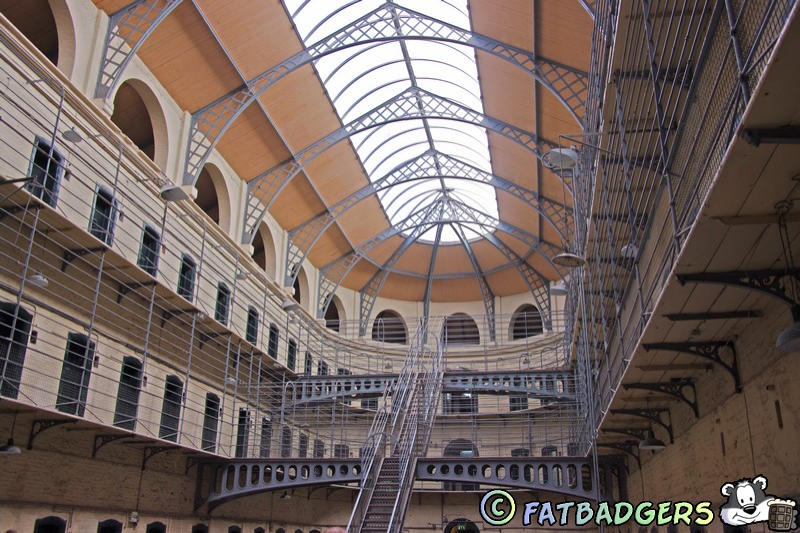
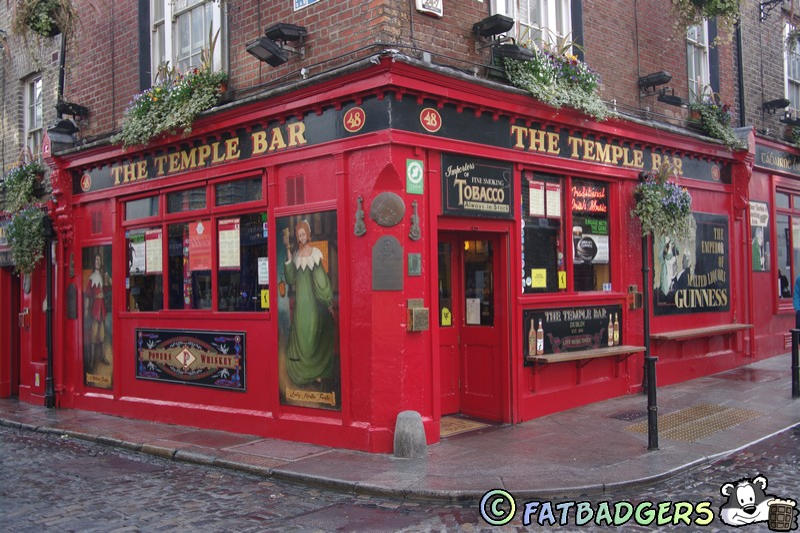
The capital city of Ireland, is a vibrant and historically rich metropolis located on the eastern coast along the River Liffey. Known for its literary heritage, lively culture, and warm hospitality, Dublin is a popular destination for tourists and locals alike. Dublin was founded by the Vikings in the 9th century and quickly became a major trading centre. Its name derives from the Irish word "Dubhlinn," meaning "black pool," referring to a dark tidal pool where the River Liffey meets the sea. The city played a significant role during the Norman invasion in the 12th century, becoming the capital of the English administration in Ireland. The 18th century saw Dublin flourish, leading to the construction of many elegant Georgian buildings and squares, such as Merrion Square and Fitzwilliam Square. The city became known for its architecture, gardens, and vibrant social scene. Dublin is renowned as a UNESCO City of Literature, home to many famous writers and poets, including James Joyce, W.B. Yeats, Samuel Beckett, and Seamus Heaney. The city's literary legacy is celebrated through events like the Dublin Literary Festival and the Dublin Book Festival. Originally built in the 13th century, Dublin Castle served as the seat of British rule in Ireland until the early 20th century. Today, it is a government complex and hosts events, exhibitions, and guided tours. Kilmainham Gaol is a historic former prison located in Kilmainham, a suburb of Dublin. Opened in 1796, it played a significant role in Irish history, particularly during the struggle for independence. Today, it is a popular tourist attraction and a museum, offering insights into Ireland's turbulent past. The prison is renowned for its role in housing many prominent figures in the fight for Irish independence. Notable prisoners include: • Robert Emmet, who led an uprising in 1803. • Members of the Fenian Brotherhood in the 19th century. • Leaders of the Easter Rising in 1916, including Patrick Pearse, Joseph Plunkett, and James Connolly. Many of these prisoners were executed after the rising, making the gaol a symbol of resistance against British rule. The Guinness Storehouse is one of Dublin's most popular attractions, offering a fascinating insight into the brewing process of Ireland's most famous beer. Visitors can enjoy a pint of Guinness while taking in panoramic views of the city from the Gravity Bar. The Temple Bar district is known for its cobbled streets, vibrant nightlife, and cultural institutions. It’s a hub for pubs, restaurants, galleries, and street performers, making it a lively area to explore.The Ring of Kerry:
A scenic driving route that passes through picturesque villages, rugged coastlines, and historical sites.Blarney Castle:
Famous for the Blarney Stone, said to give the gift of eloquence to those who kiss it.Newgrange:
A UNESCO World Heritage Site, this ancient passage tomb is older than the Pyramids and Stonehenge.Gaelic Games:
The Gaelic Athletic Association (GAA) is central to Irish sports culture. The two most popular Gaelic games are Gaelic football and hurling, which are played and celebrated nationwide.Rugby and Soccer:
Ireland has a strong rugby tradition, with the national team competing in the Six Nations Championship and other international competitions. Soccer is also widely played, with clubs competing in the League of Ireland.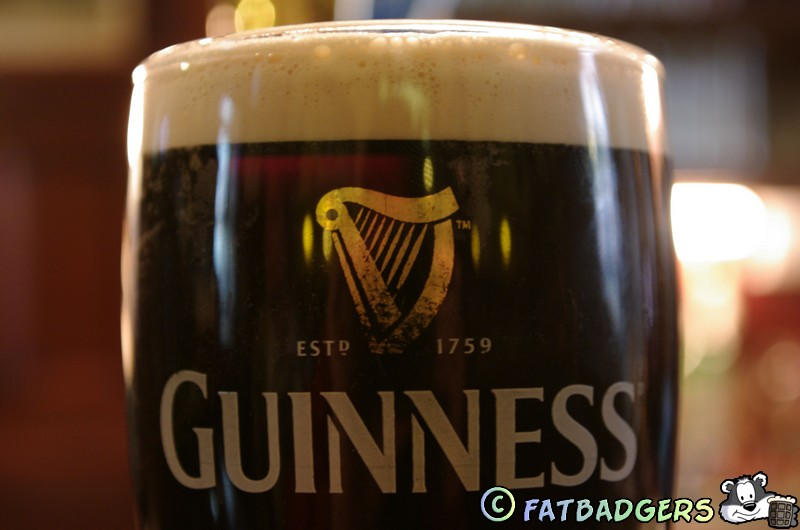

 Pubs
Pubs Open Map in New Window
 England
 Scotland
 Wales
Wales Ireland
 County Map
 About Britain
 Pubs
Pubs British Beer
 Perfect Pint
 Beer Glasses
 The Barren Years
 Real Fires
 Breweries
 Brewing
 British Food
 Recipes
 Pub Interiors
 Dog Friendly
 Pub Games
 Strange Pub Names
 Visitor Information
 Oldest Pub
 Pub Signs
 Micropubs
 Buildings
 Cathedrals
 Stately Homes
 Castles
 Listed Buildings
 Scheduled Monuments
 Oak Framing
 Architecture
 Thatching
 Waterways
 Sailing
 Shipbuilding
 Boatbuilding
  Shipping Forecast
 Britain's Coastline
 Coastal Locations
 Piers
Piers Lighthouses
 Harbours
 Beach Safety
 British Beaches
 Canals
 Rivers
 Islands
 Lakes
Lakes Waterfalls
 Historical
 Famous People
 Kings & Queens
 Kings of England
 History of Britain
 Industrial Revolution
 Act of Union
 Beaufort Scale
 British Firsts
 World Heritage Sites
 Historical Periods
 Historical Boundaries
 Tradition & Culture
 Morris Dancing
 Film & Television
 Television
 Calendar of Events
 British Sport
 Scottish Highlands
 Money
Money Dry Stone Walling
 British Wildlife
 Class System
 Geographical
 Pub Boundaries
 Facts 'n' Figures
 British Isles
 Other Areas
 Place Name Origins
 Topography
 Suggest an Inn
 Explanation of symbols
 Why Us?
 Places to Visit
 Long Distance Paths
 National Parks
 Areas of Outstanding Natural Beauty
 Coastal Locations
 Other areas of Britain
 Maps
Maps Our Favourite Locations
 Search
 Focus On...
 News
News Contact
 About Us
 Our History
 Donate

