Timeline of British History
9000
Mesolithic age begins. Beginnings of a move from a hunter gatherer society towards food producing
society
6000
Britain is connected to the European land mass and is separated from the continent by melting ice
forming the English Channel.
2100
Bronze Age begins
1650
Trade routes begin to form
1200
Small Villages are first formed
550
Migration of Celtic people from Southern Europe
500
Iron Age begins
54
Julius Caesar enters Britain but later withdraws
43 AD
Claudius invades and Britain becomes part of the Roman Empire
70
Romans conquer Wales and the North
120
Emperor Hadrian builds a wall on the Scottish Border
140
Romans conquer Scotland
254
St Alban becomes the 1st Christian martyr
350
The Picts and Scots attack the border
410
The Romans withdraw from Britain
440
Invasions of the Angles, Saxons and Jutes
450
Saxons settle in Kent
519
556
Seven kingdoms are created across Britain
617
Northumbria becomes the Supreme Kingdom
730
Mercia becomes the Supreme Kingdom and King Offa builds a Dyke along the Welsh Border
794
First invasion by the Vikings
821
Wessex becomes the Supreme Kingdom
926
Eastern England (Danelaw) is conquered by the Saxons
927
1016
1042
The Middle Ages
1066
William of Normandy defeats Harold at the Battle of Hastings with a lucky shot and becomes King of
England
1170
Archbishop of Canterbury, Thomas a Becket is murdered by the knights of Henry II
1198
The second Great Seal of Richard the Lionheart creates a shield depicting three lions passant-guardant.
The invention of Three Lions on a Shirt.
1237
The Treaty of York is signed, fixing the border between Scotland and England.
1265
Simon de Montfort sets up the first true English Parliament.
1297
Battle of Stirling Bridge: The Scots, led by William Wallace, defeat the English.
1305
William Wallace is executed by the English on a charge of treason.
1328
The Treaty of Edinburgh–Northampton, under which England recognised Scottish independence, is
signed.
1340
The Coat of Arms of England quartered with the Royal Standard of France, the fleurs-de-lis representing
Edward III's claim to the French throne.
1348
The Black Death wipes out half of the European population
1381
Peasants' Revolt: Also called Wat Tyler's Rebellion or the Great Rising, is a major uprising across large
parts of England led by Wat Tyler.
1395
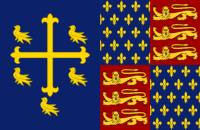
The Coat of Arms of England impaled with attributed arms of King Edward The Confessor (symbolising
mystical union).
1406
The French quartering has been altered to three fleurs-de-lis.
1415
English defeat the French at the battle of Agincourt
1422
The Coat of Arms of France impaled with the Coat of Arms of England, symbolising the dual monarchy
of England and France.
1453
The Hundred Years War against France ends
1455
The start of the Wars of the Roses a civil war for control of the throne of England between the House of
York in Yorkshire and House of Lancaster in Lancashire.
1497
John Cabot sails from Bristol aboard the 'Matthew' and discovers North America
1535
Act of Union with Wales
1536
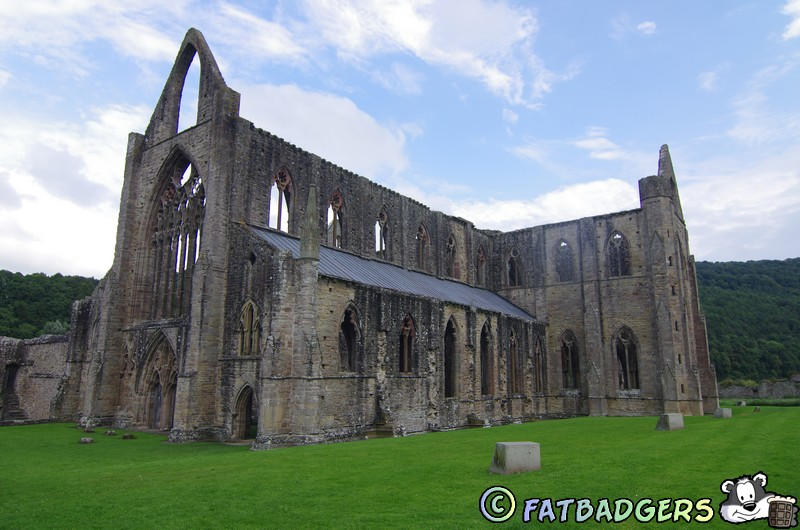
Dissolution of the Monasteries
1552
Flag of England (also known as the St George's Cross) First used by Henry II in 1190 and adopted in
the Act of Uniformity in 1552 by Edward VI
Elizabethan
1588
The English defeat the Spanish Armada
1600
First British involvement in the Indian continent - East India Company formed.
1605
Guy Fawkes is thwarted when he tries to blow up Parliament.
1606
The first Union Flag (also known as the King's Colours) with the Cross of St George placed upon the
Flag of Scotland.
1620
The Pilgrim Fathers set sail for New England from Plymouth, aboard the 'Mayflower'
1649
1651
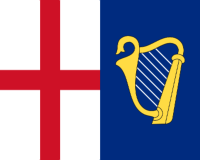
St George's Cross and St Andrew's cross quartered.
1658
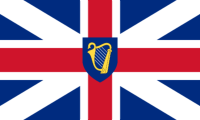
The 1606 Union Jack defaced with an Irish Harp.
1660
Restoration of the Monarchy under King Charles II
1665
The Plague breaks out and up 100,000 people die in London
1666
Great Fire of London
1707
1721
Sir Robert Walpole becomes the first Prime Minister
1776
America declares independence from Britain
1788
First convict ships are sent to Australia
1801
A superimposition of the flags of England and Scotland with the Saint Patrick's Saltire (representing the
Kingdom of Ireland).
1856
Britain defeats Russia in the Crimean War
1863
London Underground opens (world’s first underground railway).
1902
Britain defeats Dutch settlers in Boer War in South Africa
1918
Britain defeats Germany in World War I
1920
Republic of Ireland gains independence
1922
Constitution of the Irish Free State
1945
Britain defeats Germany in World War II
1947
India gains independence from Britain
1953
Watson and Crick publish their discovery of the structure of DNA
1973
Britain joins the European Economic Community
1982
Britain defeats Argentina in the Falklands War
1994
Channel Tunnel links Britain back to the European continent













































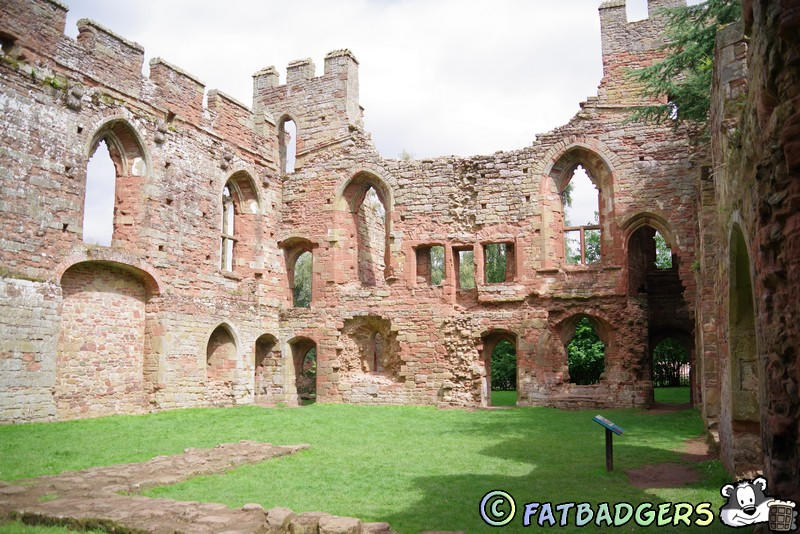


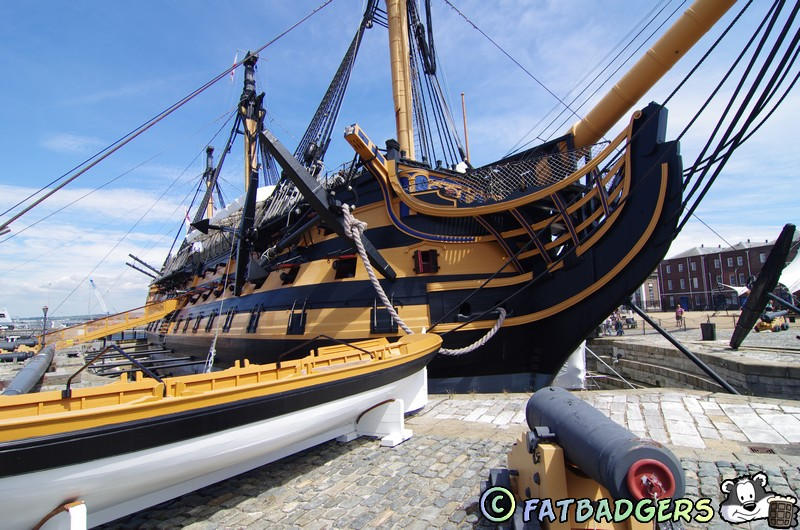


Some notable dates in British History….





 Pubs
Pubs Open Map in New Window
 England
 Scotland
 Wales
Wales Ireland
 County Map
 About Britain
 Pubs
Pubs British Beer
 Perfect Pint
 Beer Glasses
 The Barren Years
 Real Fires
 Breweries
 Brewing
 British Food
 Recipes
 Pub Interiors
 Dog Friendly
 Pub Games
 Strange Pub Names
 Visitor Information
 Oldest Pub
 Pub Signs
 Micropubs
 Buildings
 Cathedrals
 Stately Homes
 Castles
 Listed Buildings
 Scheduled Monuments
 Oak Framing
 Architecture
 Thatching
 Waterways
 Sailing
 Shipbuilding
 Boatbuilding
  Shipping Forecast
 Britain's Coastline
 Coastal Locations
 Piers
Piers Lighthouses
 Harbours
 Beach Safety
 British Beaches
 Canals
 Rivers
 Islands
 Lakes
Lakes Waterfalls
 Historical
 Famous People
 Kings & Queens
 Kings of England
 History of Britain
 Industrial Revolution
 Act of Union
 Beaufort Scale
 British Firsts
 World Heritage Sites
 Historical Periods
 Historical Boundaries
 Tradition & Culture
 Morris Dancing
 Film & Television
 Television
 Calendar of Events
 British Sport
 Scottish Highlands
 Money
Money Dry Stone Walling
 British Wildlife
 Class System
 Geographical
 Pub Boundaries
 Facts 'n' Figures
 British Isles
 Other Areas
 Place Name Origins
 Topography
 Suggest an Inn
 Explanation of symbols
 Why Us?
 Places to Visit
 Long Distance Paths
 National Parks
 Areas of Outstanding Natural Beauty
 Coastal Locations
 Other areas of Britain
 Maps
Maps Our Favourite Locations
 Search
 Focus On...
 News
News Contact
 About Us
 Our History
 Donate