Roman Terms: 50BC - 410 AD
•
Caster: Fort; Camp; Later town
•
Cester: Fort; Camp; Later town
•
Chester: Fort; Camp; Later town
•
Fos (s): Ditch
•
Port: Harbour; Gate
•
Street: Paved way
Celtic Terms: 800BC - 400 AD
•
Aber: River mouth or ford
•
Afon: River
•
Allt: Hillside
•
Avon; Esk; Eye; Dee: River
•
Bedd: Grave
•
Betws: Chapel, Oratory
•
Blaen, Blaenau: Source(s) of stream
•
Bre-; Drum; Don: Hill
•
Bryn: Hill
•
Bwlch: Pass (gap in hills)
•
Caer: Fortress
•
Capel: Chapel
•
Carnedd: Cairn
•
Castell: Castle
•
Coed: Wood
•
Cwm: Valley
•
Din: Hill Fort
•
Dinas: City
•
Dyffryn: Valley
•
Glan: River Bank
•
Hamps: Dry stream in Summer
•
Llan: Church
•
Llyn or Linn: Lake
•
Mawr: Big
•
Mir: Sea
•
Morfa: Salt Marsh
•
Mynydd: Mountain
•
Pant: Hollow
•
Pen; Bryn: Hill; Head
•
Pistyll: Well or Spout
•
Plas: Palace
•
Pont; Bont: Bridge
•
Porth: Harbour
•
Rhaeadr: Waterfall
•
Tafarn: Inn or Tavern
•
Tre: Hamlet; Village; Town
•
Treath: Beach
•
Ynys: Island
Saxon Terms: 350AD - 1000AD
•
Bourne: Stream
•
Burn: Stream
•
Burg: Large village
•
Croft: Small enclosure
•
Cot: Small hut
•
Delph: Ditch, dyke or stream
•
Den(n): Pig pasture
•
Eg; Ey; Ea; Eig: Island
•
Fall: Area cleared of trees
•
Fen: Fen
•
Field: Field
•
Ham: Village
•
Hurst: Clearing
•
Ing: People
•
Lake: Lake
•
Ley; Lea: Clearing
•
Mere: Pool
•
Moor: Moor
•
Moss: Swamp
•
Riding; Rod: Cleared land
•
Stead: place
•
Stoc: Summer pasture
•
Stoke: 'Daughter' settlement
•
Stow: Holy Place
•
Ton; Tun: House; Farm
•
Weald; Wold; High Woodland
•
Wic; Wike: Farm; Group of huts
•
Wood: Wood
•
Worth: Fenced land
•
Worthy: Enclosed land
Viking Terms: 750AD - 1100AD
•
Akr: Acre
•
Beck: Stream
•
Booth: Summer pasture
•
By: Farm; Village
•
Ey: Island
•
Fell; How: Hill or mound
•
Fiord: Fiord
•
Fiskr: Fish
•
Foss or Force: Waterfall
•
Gardr: Yard; landing place
•
Garth: Enclosure
•
Gate: Road
•
Geit: Goat
•
Gill: Ravine or valley
•
Holm(r): Island
•
Hus: House
•
Ings: Marsh; meadow
•
Kald: Cold
•
Kelda: Spring, stream
•
Kirk: Church
•
Laithe: Barn
•
Lin: Flax
•
Lund: Grove
•
Melr: Sandbank
•
Orme: Serpent
•
Pollr: Pool
•
Skar: Cleft
•
Sker: Rock
•
Slack: Stream in a valley
•
Stakkr: Rock in the sea
•
Stan: Stone
•
Stokkr: Sound
•
Tarn: Lake
•
Thorp: Daughter settlement
•
Thwaite: Forest clearing; meadow
•
Toft: Homestead
•
Wath: Ford
•
Wray: Remote place
Roman
Towns such as Lancaster, named by the Romans after their camp over the River Lune and Chester, which was the site of Deva, a Roman legionary fortress and what remains include the largest stone-built military Roman amphitheatre to have been discovered in Britain, are typical of places named in Roman times.
Celtic
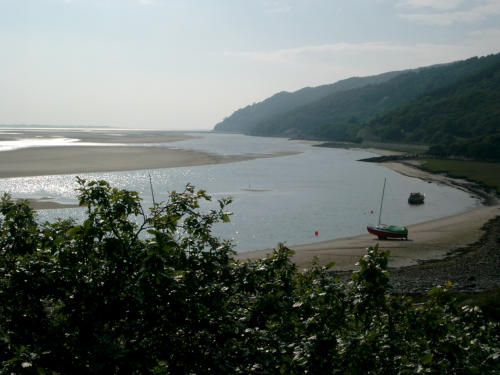
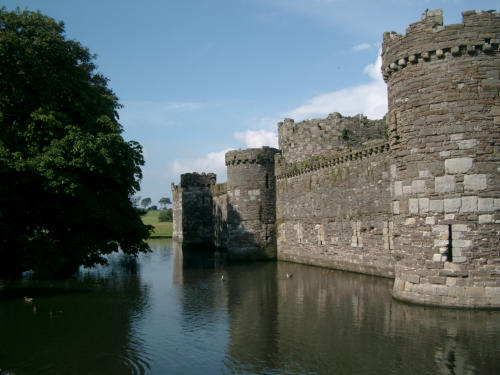
Aberaeron, Aberystwyth and Aberdeen are typical of towns named after the rivers which disgorge their waters into the sea and which the towns grew around. Llandudno and Llangollen amongst many other towns expanded around the local church. Many examples of Celtic words can be seen in Scotland, Ireland and most commonly in Wales.
Saxon
Stow on the Wold and Stowmarket probably developed from the local place of worship whilst Bournemouth was named from where the mouth of the Bourne stream meets the sea.
Viking
Streams in the North of England are more often named Beck and some villages have what would seem like obvious names such as Troutbeck in Cumbria. Many towns and villages in the British Isles are named after original places of worship and those which use the Viking term Kirk such as Kirkby Lonsdale, Kirkby Moorside and Kirkby Stephen all appear in the north including Kirkwall in the Orkney Islands off the Northern coast of Scotland.



Place Name Origins














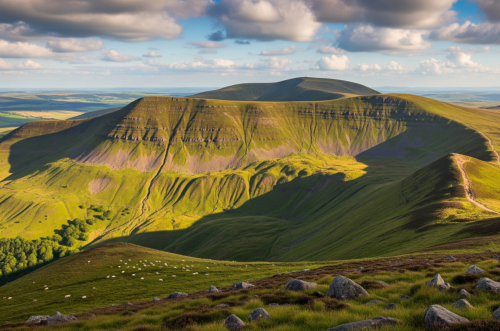
Virtually all of the place names decided on up to around the 14th Century were due to the environment of the area. For example, Doncaster would
probably have originated as a Roman fort on a hill, from the Roman 'Caster' and Celtic 'Don'.

 Pubs
Pubs Open Map in New Window
 England
 Scotland
 Wales
Wales Ireland
 County Map
 About Britain
 Pubs
Pubs British Beer
 Perfect Pint
 Beer Glasses
 The Barren Years
 Real Fires
 Breweries
 Brewing
 British Food
 Recipes
 Pub Interiors
 Dog Friendly
 Pub Games
 Strange Pub Names
 Visitor Information
 Oldest Pub
 Pub Signs
 Micropubs
 Buildings
 Cathedrals
 Stately Homes
 Castles
 Listed Buildings
 Scheduled Monuments
 Oak Framing
 Architecture
 Thatching
 Waterways
 Sailing
 Shipbuilding
 Boatbuilding
  Shipping Forecast
 Britain's Coastline
 Coastal Locations
 Piers
Piers Lighthouses
 Harbours
 Beach Safety
 British Beaches
 Canals
 Rivers
 Islands
 Lakes
Lakes Waterfalls
 Historical
 Famous People
 Kings & Queens
 Kings of England
 History of Britain
 Industrial Revolution
 Act of Union
 Beaufort Scale
 British Firsts
 World Heritage Sites
 Historical Periods
 Historical Boundaries
 Tradition & Culture
 Morris Dancing
 Film & Television
 Television
 Calendar of Events
 British Sport
 Scottish Highlands
 Money
Money Dry Stone Walling
 British Wildlife
 Class System
 Geographical
 Pub Boundaries
 Facts 'n' Figures
 British Isles
 Other Areas
 Place Name Origins
 Topography
 Suggest an Inn
 Explanation of symbols
 Why Us?
 Places to Visit
 Long Distance Paths
 National Parks
 Areas of Outstanding Natural Beauty
 Coastal Locations
 Other areas of Britain
 Maps
Maps Our Favourite Locations
 Search
 Focus On...
 News
News Contact
 About Us
 Our History
 Donate