Pub Interiors
British pub interiors often embody a cosy, traditional atmosphere that
combines rustic charm with a sense of history.
The interiors of British inns is as diverse as the external architecture.
Some have remained virtually unchanged for hundreds of years, others
have been carefully restored to the original decor.
The predominant look of a typical British inn is a range of small tables
with usually four simple chairs or small stools around each table. There
is usually some form of fixed seating, around the edges of the room.
We award an armchair symbol if an inn has a superior level of
comfort. This might mean that the inn has a variety of
armchairs and settees.
It may also receive an award if the furniture is antique and worth a
mention.
What it should be is warm and welcoming although some people do
prefer a more basic place to do their drinking. You will find pubs with
fluorescent strip lights, jukeboxes and hosting bingo evenings or quiz nights - not necessarily the places we would recommend but that doesn’t mean they’re not
good pubs.
Usually there are at least two rooms in each inn.
•
The Bar is traditionally the male drinking domain with less seating and a more basic decoration. Pub Games such as Pool and Darts along with more
traditional games such as Shove Ha'penny are normally found in the Bar.
•
The Lounge is often decorated to a higher standard and is more comfortable surroundings for sitting in a group. The Lounge is normally the area where if the
inn serves food, most people eat.
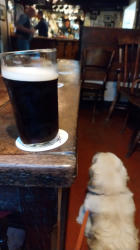
Dogs are sometimes only allowed in the bar (usually when the pub is more interested in their food trade than beer) although some
weird publicans won’t allow dogs anywhere in their pub.
Some inns will have a separate room which they call the restaurant although most still serve food in the lounge - sometimes from a
less extensive menu. Some inns still retain smaller rooms from days gone by when there were rooms set aside for particular activities.
These can be called 'the Snug', the 'Tap Room' and the 'Smoke Room'.
Many inns go further, creating seating from old milk churns or old beer barrels. These usually appear in country inns or inns which
have remained unchanged for many years. Unfortunately, it is all too common for the big brewers to 're-furbish' an inn and give it an
olde worlde look, with barrels and farm implements dotted around the room even if the pub is a 1960's ugly square box located in the
middle of a huge housing estate.
This type of pub is never likely to get a recommendation from us because Fat Badgers rarely venture into big housing estates so we're
unlikely to know about them.
It's not just country cottage, thatched roof inns that we recommend, occasionally we come across a city centre inn with an interior that
hasn't changed for many years which also serves good food or ales.
Most of the inns we list in London, are of this type but we also recommend other city inns of character such as the
only inn in Britain owned by the Church, the Cock & Bottle in Bradford with it's Victorian surroundings (sadly now
closed and sold off as a cafe which failed and the place has re-opened as a bar restaurant. Unfortunately they
have ripped out all the ornate Victorian glass bar area and replaced it with ultra modern fixtures and fittings).
The Coopers Tavern in the town of Burton on Trent, where the interior is
unchanged and consequently could even be called a little grubby - however, the
ales are superb.
The head brewers from all the breweries in Burton can often be seen during a
lunchtime in the Coopers which will tell you how good the place is.
There are also many converted buildings offering sometimes spectacular
surroundings - our favourite is not even in Britain, so if you’re ever skiing in Kitzbuhel in Austria, try and locate the Landhäusl-
Waschkuchl (not far from the Londoner bar) a former public toilet but fantastic fun and especially nice if you meet the really
pleasant lady who was running the place when we were there.
One of our favourites in England is the fantastic Cholmonderley Arms in
Cheshire, a former Schoolhouse - so big open spaces - but serving fantastic
food, great ales and a huge gin selection.
Not forgetting the Cavern in Liverpool, not just the underground music venue but
also a decent pub opposite packed with a bit of modern history.
Other types of interior include the modern look of the Nailers Arms in Worcestershire - an ultra modern restaurant
look although the bar is traditionally English.
For original ‘Olde Worlde’ then you’re not going to beat the amazing interiors of many of the stunning old inns in
London. Our favourite may well be Ye Olde Cheshire Cheese in Fleet Street for it’s literary history but we’ve
probably taken more people to the Grenadier in Knightsbridge - what can be better than having a pint in the former
Duke of Wellington’s officers mess?
Most of the old pubs in Dublin also have delightful interiors but our favourite is Palace Bar, not least because of the
fabulous decor but more because the barman made my girlfriend pour her own Guinness when she asked for a
drop of blackcurrant in it.
We love somewhere that’s a bit different and many breweries have opened former unused warehouse areas as
‘tap rooms’ A tap room is a room set aside in a brewery to taste the product but until fairly recently these were small
side rooms as traditionally breweries were also small places.
As a general rule we would recommend places that have a traditional look and feel to them but are happy to
recommend these bigger places especially as the quality of the beer shouldn’t ever be anything other than perfect
if it hasn’t even left the brewery!
Most traditional pubs whether they are country inns or city bars will have:
1. Wooden Fixtures
Dark Wood:
Oak, mahogany, or walnut are common for beams, bar counters, and furniture. The woodwork often has an aged or polished appearance. The Kenilworth in Edinburgh is a heritage pub with its classic large dark oak bar, high ceilings and tiled walls.Wainscoting:
Many pubs have wooden panelling along the lower walls, adding to the traditional vibe. The fabulous Live and Let Live at Neen Sollars is filled with elaborate woodwork features reclaimed from local churches and stately homes.2. Bar Counter
Centrepiece of the Room:
The bar is usually a focal point, often made of sturdy, dark wood with brass accents. Some Victorian pubs still exist such as the Beacon Hotel in Sedgley where the central glass bar is accessed from all rooms but where you have to stoop to order your beer as the Victorians were generally much shorter.Beer Taps & Pumps:
Taps are prominently displayed, often for local ales, with ornate brass or ceramic handles.Handwritten Chalkboards:
Displaying daily specials, local brews, or house recommendations, chalkboards add a casual, personal touch. Some modern establishments might even have a TV screen showing the variety of ales available especially if they have a huge range.3. Seating
Leather or Velvet Upholstery:
Armchairs, stools, and booths are often cushioned in rich fabrics like leather or velvet, providing comfort.High-back Chairs and Benches:
Traditional pubs use high-back wooden chairs and benches, sometimes with padded seats.Snugs and Nooks:
Many pubs feature small, semi-private booths or alcoves called snugs, offering intimacy. Most pubs will have a run of fixed seating usually around the exterior walls often running into bay windows of other nooks and crannies around the room.4. Fireplace
A working fireplace is a staple of many pubs, providing warmth and a homely feel, especially in winter. Many inns still feature 'Real Fires'. We list those establishments which take the time & trouble to fill a traditional open fireplace with either coal or timber. A real fire gives 'life' to a room particularly a roaring fire with wood crackling away and providing a comforting aroma.5. Lighting
Dim, Warm Lighting:
Low-hanging pendant lights, wall-mounted lanterns, or candles provide a soft, ambient glow.Stained Glass Windows:
Some older pubs feature small stained-glass windows, adding a touch of colour and historic flair.6. Decor
Beer Signs & Memorabilia:
Vintage beer ads, plaques, and mirrors are commonly hung on walls, alongside black-and-white photos of local history.Hunting Trophies:
Some rural pubs display antlers or hunting-related decor, reflecting local traditions.Quirky Items:
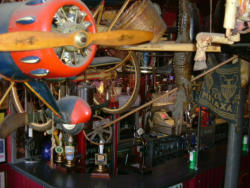
Pubs sometimes feature odd knick-knacks, from old clocks to model ships, depending on the region and the pub's theme.7. Flooring
Stone or Tile Floors:
Many traditional pubs have stone or tiled floors, often worn down from decades of use.Rugs or Carpets:
In more upscale or comfortable pubs, you might find patterned rugs or carpets.8. Ceiling Beams
Exposed wooden beams are common in older pubs, especially those in rural or historical settings, giving the room a rustic, welcoming feel. These interiors combine to create a warm, inviting atmosphere, making British pubs ideal places to relax and socialize. The mix of comfort, history, and community in these spaces is part of what makes them so unique.9. Toilets
Not all pub toilets are inside! There are still many old pubs which have outside loos, mainly the gents and some pub toilets that are a cut above the rest. The Combermere Arms in Wolverhampton has an outside gents toilet with a tree growing out through the roof. In the Bell in Ticehurst in Sussex, the urinals are musical instruments. The lavish and opulent Philharmonic Dining Rooms in Liverpool with its marble urinals, is an attraction in itself.






 Pubs
Pubs Open Map in New Window
 England
 Scotland
 Wales
Wales Ireland
 County Map
 About Britain
 Pubs
Pubs British Beer
 Perfect Pint
 Beer Glasses
 The Barren Years
 Real Fires
 Breweries
 Brewing
 British Food
 Recipes
 Pub Interiors
 Dog Friendly
 Pub Games
 Strange Pub Names
 Visitor Information
 Oldest Pub
 Pub Signs
 Micropubs
 Buildings
 Cathedrals
 Stately Homes
 Castles
 Listed Buildings
 Scheduled Monuments
 Oak Framing
 Architecture
 Thatching
 Waterways
 Sailing
 Shipbuilding
 Boatbuilding
  Shipping Forecast
 Britain's Coastline
 Coastal Locations
 Piers
Piers Lighthouses
 Harbours
 Beach Safety
 British Beaches
 Canals
 Rivers
 Islands
 Lakes
Lakes Waterfalls
 Historical
 Famous People
 Kings & Queens
 Kings of England
 History of Britain
 Industrial Revolution
 Act of Union
 Beaufort Scale
 British Firsts
 World Heritage Sites
 Historical Periods
 Historical Boundaries
 Tradition & Culture
 Morris Dancing
 Film & Television
 Television
 Calendar of Events
 British Sport
 Scottish Highlands
 Money
Money Dry Stone Walling
 British Wildlife
 Class System
 Geographical
 Pub Boundaries
 Facts 'n' Figures
 British Isles
 Other Areas
 Place Name Origins
 Topography
 Suggest an Inn
 Explanation of symbols
 Why Us?
 Places to Visit
 Long Distance Paths
 National Parks
 Areas of Outstanding Natural Beauty
 Coastal Locations
 Other areas of Britain
 Maps
Maps Our Favourite Locations
 Search
 Focus On...
 News
News Contact
 About Us
 Our History
 Donate