There are around half a million Listed Buildings in the United Kingdom.
Listed Buildings
There are around half a million listed buildings in the United Kingdom.
These are buildings that have been placed on the Statutory List of
Buildings of Special Architectural or Historic Interest by English
Heritage in England, Cadw (The Historic Environment Service of the
Welsh Government) in Wales, Historic Scotland in Scotland and the
Northern Ireland Environment Agency (NIEA) in Northern Ireland.
These are protected structures with special architectural and historic
interest, the older a building is, the more likely it is to be listed.
All buildings built before 1700 which survive in anything like their
original condition are listed, as are most of those built between 1700
and 1840. The criteria become tighter with time, so that post-1945
buildings have to be exceptionally important to be listed. A building
has normally to be over 30 years old to be eligible for listing.
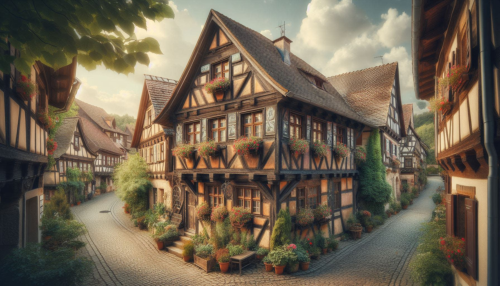
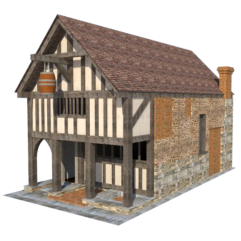
Many of Britain's inns are listed so we show a half timbered
symbol to show this.
A listed building may not be demolished, extended, or altered without
special permission from the local planning authority, which typically consults the relevant central government agency, particularly for significant alterations to
the more notable listed buildings.
It is likely that we will include a pub on our guide if it is a listed building as our criteria for inclusion is somewhere you would recommend to others and
especially so if it is a Grade I listed structure as the building will generally be something of wonder. It doesn’t necessarily mean they will serve great food and
ales although many do. There are less than 20 Grade I listed pubs in England, most Grade I listings are houses and castles.
Although most structures appearing on the lists are buildings, almost anything can be listed, other structures such as bridges, monuments, sculptures, war
memorials, and even milestones and telephone boxes are also listed. Ancient, military and uninhabited structures, such as Stonehenge, are sometimes
instead classified as Scheduled Ancient Monuments.
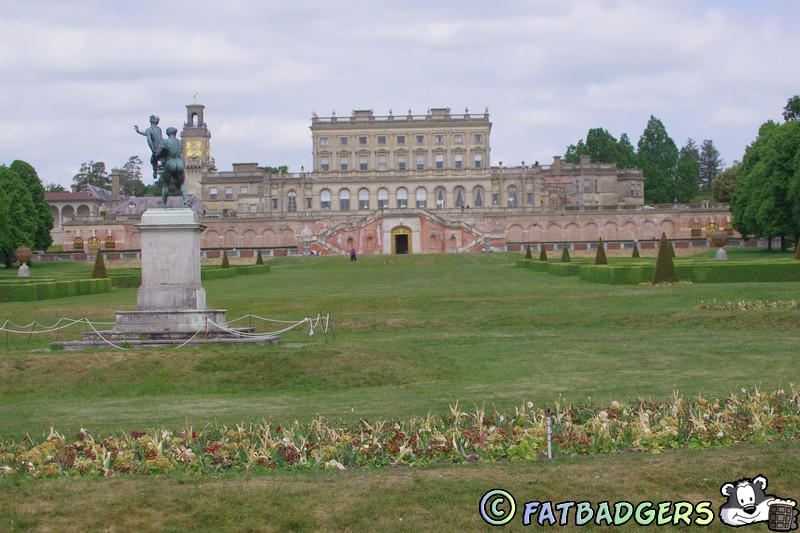
Cliveden House
Most Country Houses and Palaces are obviously listed but it’s generally not just the house itself - there are
usually many other buildings or other notable structures that all have their separate listings.
For example, Cliveden House (Pronounced Klivden) in Buckinghamshire has 30 different listed structures
including the main house.
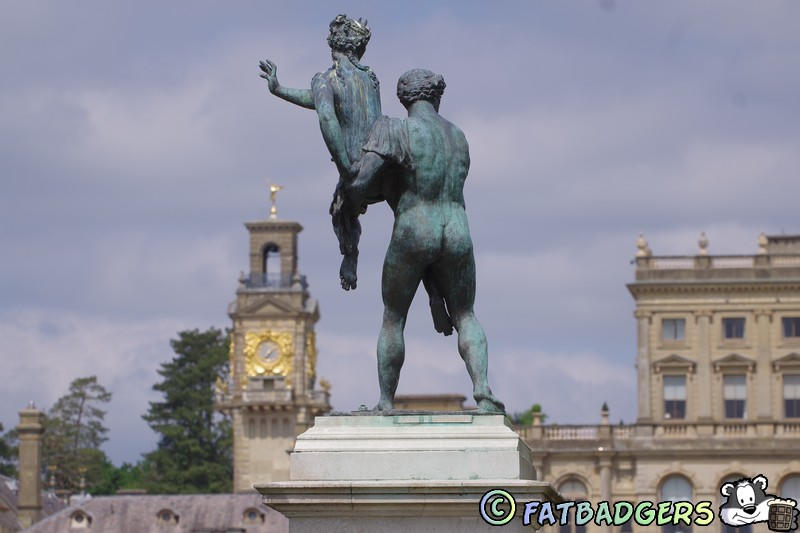
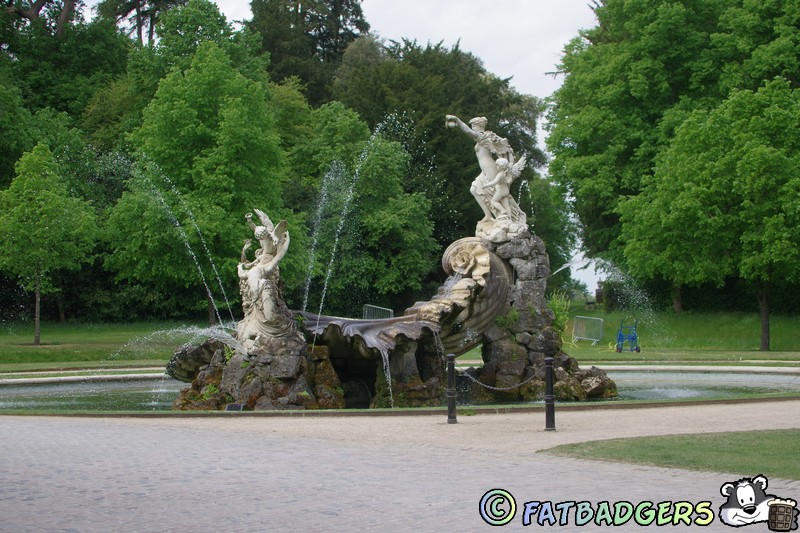
The House is Grade I listed as is the chapel in the grounds, the statues and many of the other buildings are
either Grade II or II* listed.
Originally built in 1666 by George Villiers, 2nd Duke of Buckingham, Cliveden has been home to aristocrats,
royalty, and political figures. Notably, it was the site of the 1960s Profumo Affair, a political scandal that shook the
British government. In 1942, William Waldorf Astor gifted Cliveden to the National Trust, and it has since been
leased to various tenants, including Stanford University and now operates as a luxury hotel.
The estate boasts 376 acres of Grade I listed formal gardens and woodlands, managed by the National Trust.
Highlights include the Parterre, designed with intricate patterns of flowers and shrubs, and the Water Garden,
featuring a pond, pagoda, and rustic bridges .
Cliveden House offers 38 individually styled rooms and suites, each named after notable figures from its history.
Guests can also stay at Spring Cottage, a self-contained three-bedroom cottage on the banks of the River
Thames .
The Cliveden Dining Room serves modern British cuisine with
views over the gardens and River Thames. For a more relaxed
setting, The Astor Grill offers a variety of dishes in a former stable
block .
The Cliveden Spa features indoor and outdoor pools, including the historic "Profumo" pool, the last remaining
listed outdoor pool in England. Guests can enjoy a range of treatments, a fitness studio, and spa facilities set
within a tranquil walled garden.
While the house operates as a hotel, non-residents can explore the estate's gardens year-round. Guided tours of
the house's ground floor are available on select days from March to October, offering insights into its rich history.
Categories of listed buildings
•
Grade I buildings are of exceptional interest, sometimes considered to be internationally important; only
2.5% of listed buildings are Grade I
•
Grade II* buildings are particularly important buildings of more than special interest; 5.5% of listed buildings
are Grade II*
•
Grade II buildings are nationally important and of special interest; 92% of all listed buildings are in this class
and it is the most likely grade of listing for a home owner.
Scottish listed buildings
Scottish listings differ slightly in being A,B,C rather than I,II*,II
•
Category A
o
Buildings of special architectural or historical interest which are outstanding examples of a particular period,
style or building type.
•
Category B
o
Buildings of special architectural or historic interest which are major examples of a particular period, style or
building type.
•
Category C
o
Buildings of special architectural or historic interest which are representative examples of a period, style or
building type.
There are more than 100 Grade I listed Castles in England alone and more than 500 Grade I listed houses. Many Monasteries, Cathedrals and Museums are
also Grade I listed. The only structures more important than Grade I listed are Scheduled Monuments.

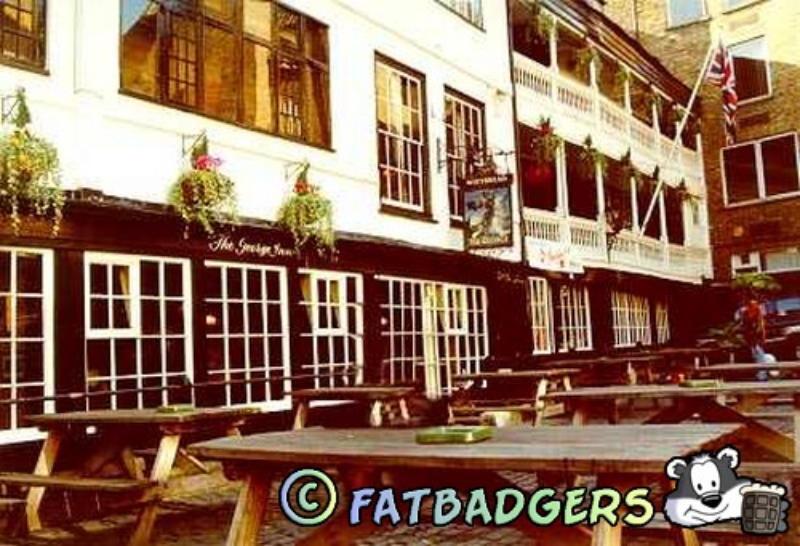
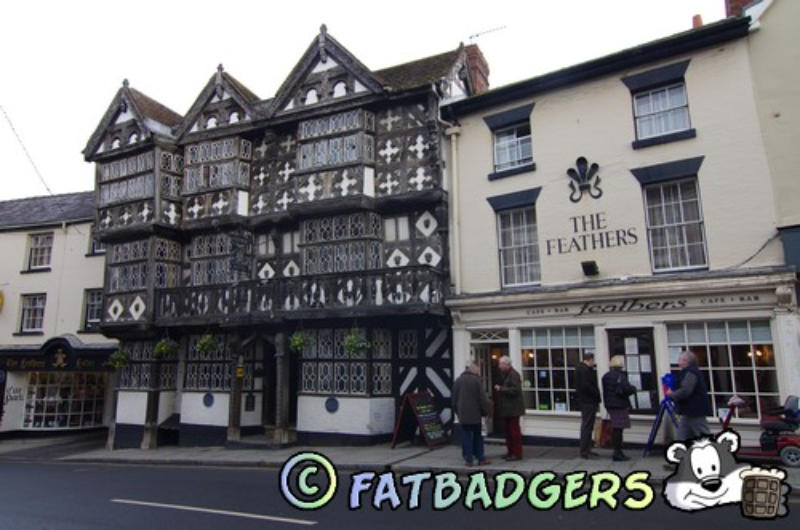
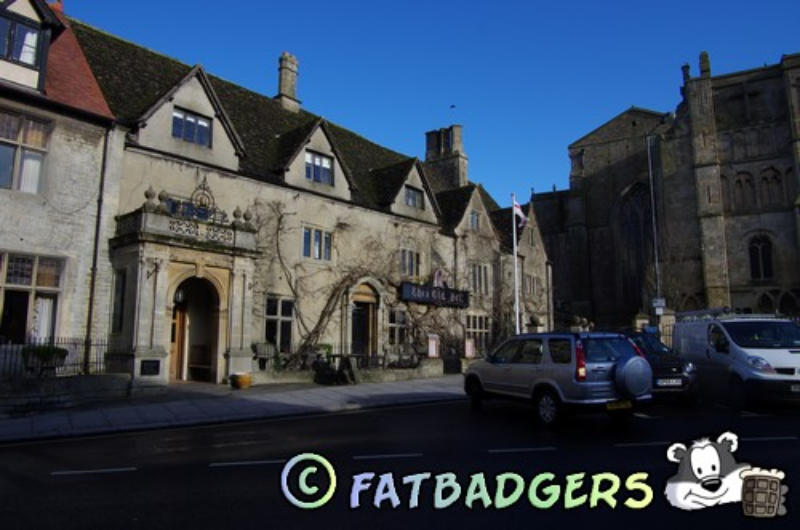
Grade I listed Inns
The Old Bell, Malmesbury
Feathers Hotel, Ludlow
The George Inn, Southwark
Other Grade I Listed Structures
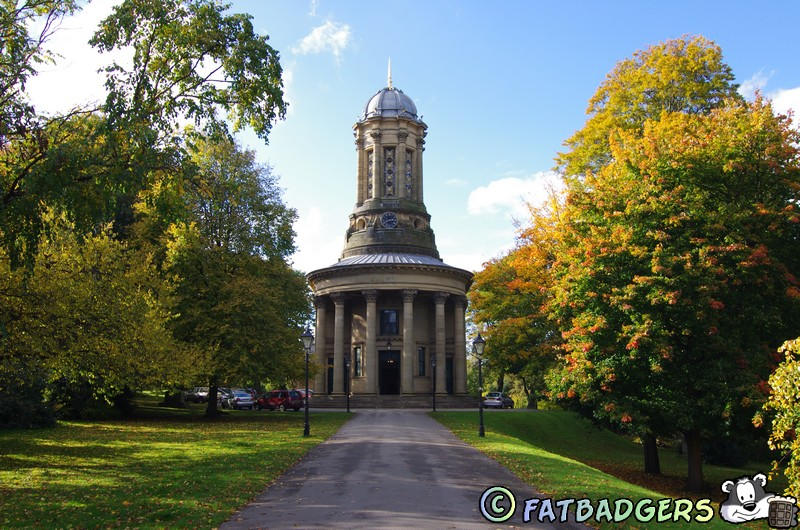
Saltaire United Reformed Church
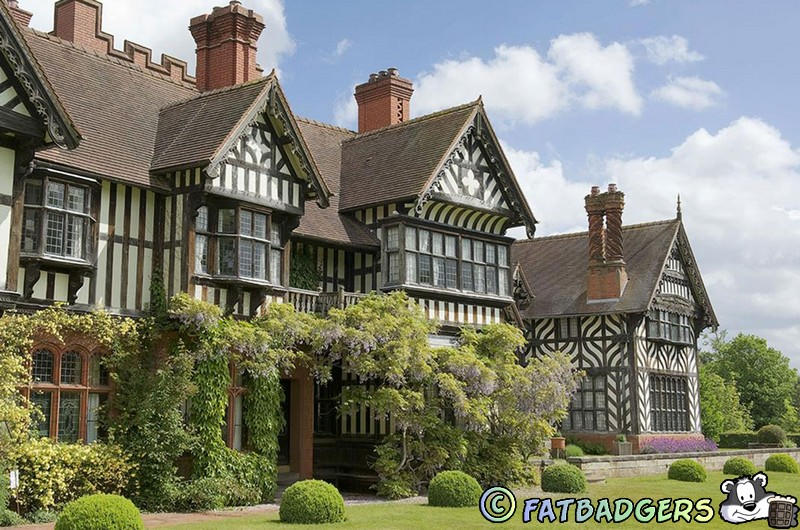
Wightwick Manor, Wolverhampton
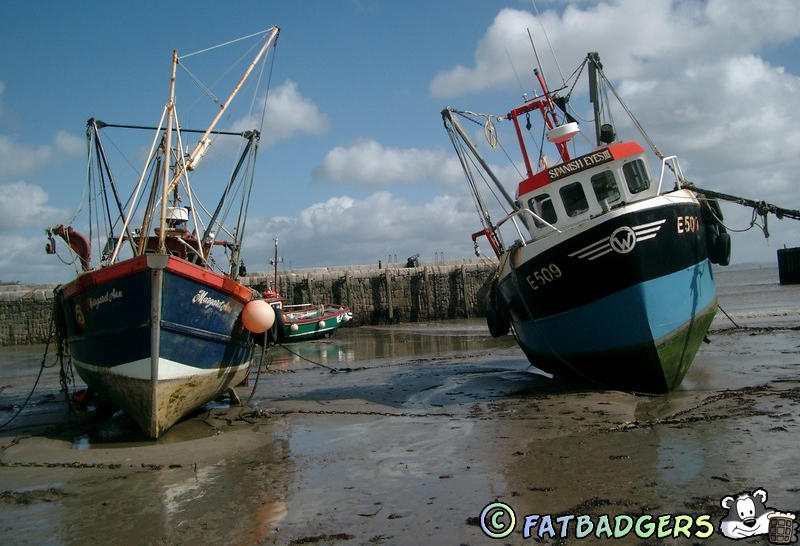
The Cobb, Lyme Regis
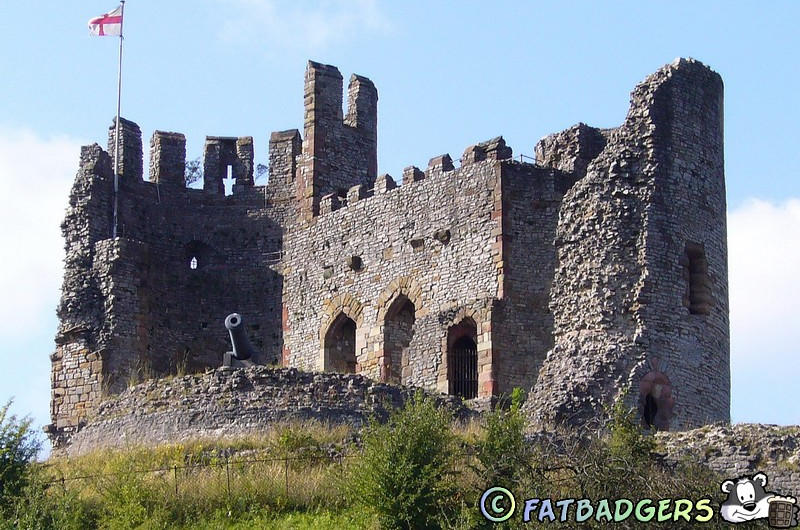
Dudley Castle
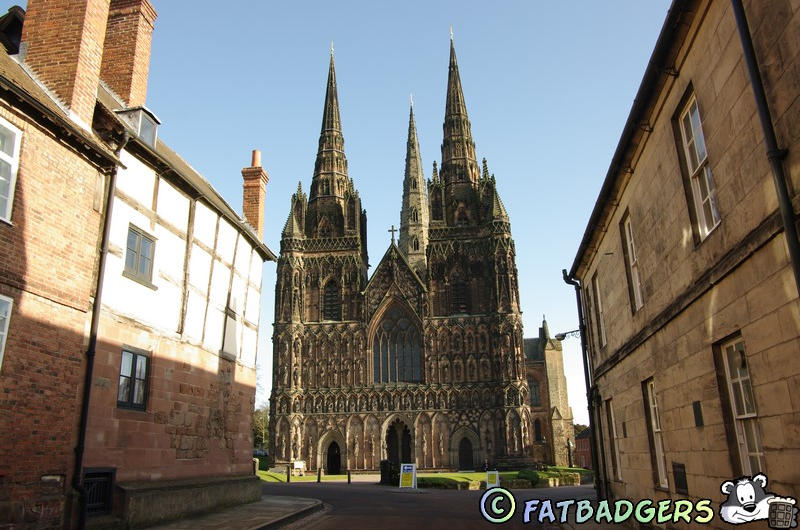
Lichfield Cathedral
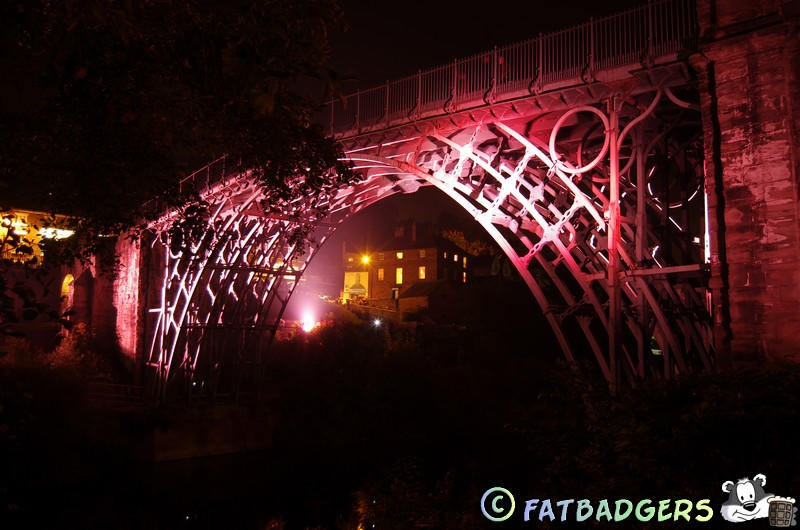
The Iron Bridge
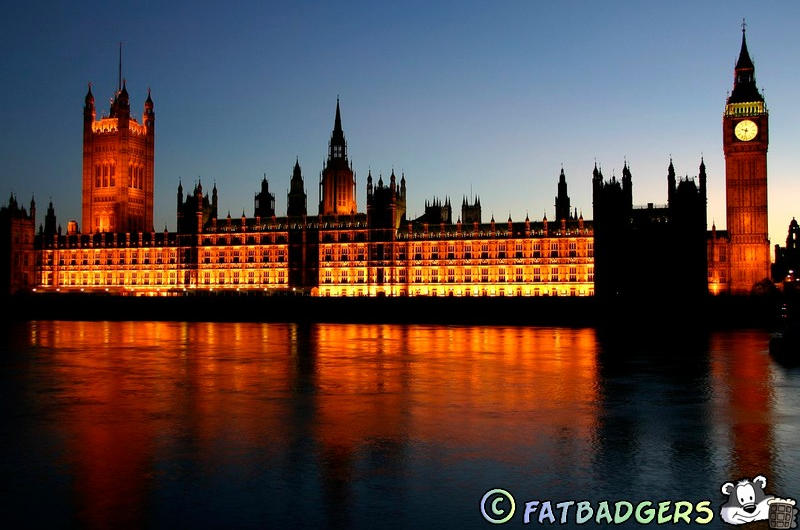
Palace of Westminster
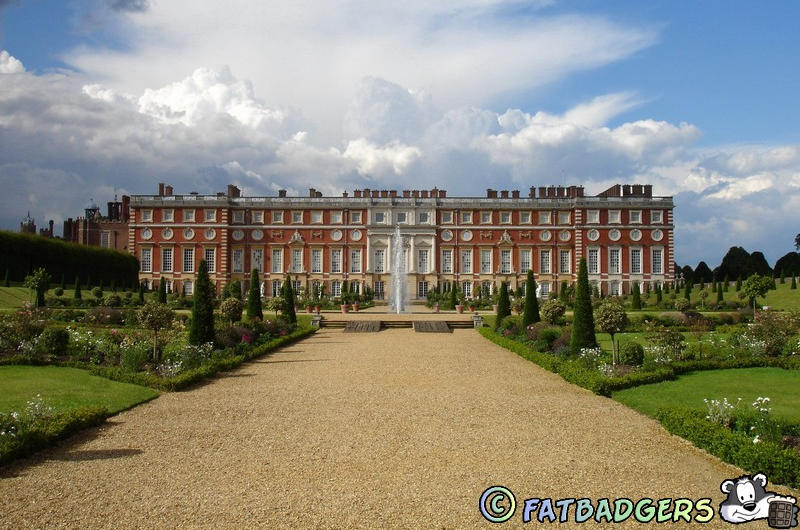
Hampton Court Palace
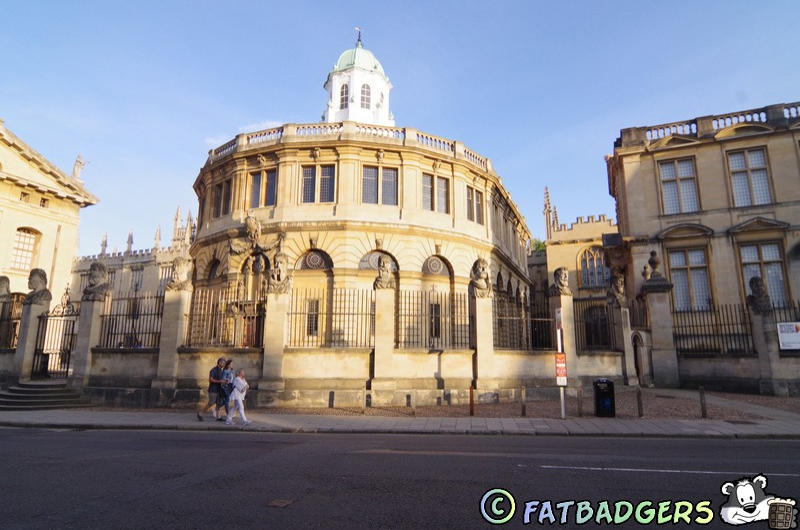
Sheldonian Theatre













 Pubs
Pubs Open Map in New Window
 England
 Scotland
 Wales
Wales Ireland
 County Map
 About Britain
 Pubs
Pubs British Beer
 Perfect Pint
 Beer Glasses
 The Barren Years
 Real Fires
 Breweries
 Brewing
 British Food
 Recipes
 Pub Interiors
 Dog Friendly
 Pub Games
 Strange Pub Names
 Visitor Information
 Oldest Pub
 Pub Signs
 Micropubs
 Buildings
 Cathedrals
 Stately Homes
 Castles
 Listed Buildings
 Scheduled Monuments
 Oak Framing
 Architecture
 Thatching
 Waterways
 Sailing
 Shipbuilding
 Boatbuilding
  Shipping Forecast
 Britain's Coastline
 Coastal Locations
 Piers
Piers Lighthouses
 Harbours
 Beach Safety
 British Beaches
 Canals
 Rivers
 Islands
 Lakes
Lakes Waterfalls
 Historical
 Famous People
 Kings & Queens
 Kings of England
 History of Britain
 Industrial Revolution
 Act of Union
 Beaufort Scale
 British Firsts
 World Heritage Sites
 Historical Periods
 Historical Boundaries
 Tradition & Culture
 Morris Dancing
 Film & Television
 Television
 Calendar of Events
 British Sport
 Scottish Highlands
 Money
Money Dry Stone Walling
 British Wildlife
 Class System
 Geographical
 Pub Boundaries
 Facts 'n' Figures
 British Isles
 Other Areas
 Place Name Origins
 Topography
 Suggest an Inn
 Explanation of symbols
 Why Us?
 Places to Visit
 Long Distance Paths
 National Parks
 Areas of Outstanding Natural Beauty
 Coastal Locations
 Other areas of Britain
 Maps
Maps Our Favourite Locations
 Search
 Focus On...
 News
News Contact
 About Us
 Our History
 Donate