Types of UK Beaches:
The UK's varied geology, shaped by millennia of natural processes including glaciation and erosion, has created a remarkable range of beach types: • Sandy Beaches: Found throughout the UK, but particularly famous in Cornwall, Devon, parts of Wales (e.g., Pembrokeshire), and the Scottish Highlands and Islands. These are ideal for sunbathing, sandcastles, and gentle paddling. Examples include Holkham Beach (Norfolk), Luskentyre Sands (Outer Hebrides), Porthcurno (Cornwall), and Woolacombe (Devon). • Shingle and Pebble Beaches: Common in areas like the Jurassic Coast in Dorset (e.g., Chesil Beach), Kent, and parts of Sussex. While not ideal for sandcastles, these beaches offer unique geological interest, dramatic landscapes, and often calmer waters. • Rocky Shores and Coves: Characterised by rock pools teeming with marine life, dramatic cliffs, and hidden coves. Cornwall and parts of Scotland are rich in these, such as Kynance Cove in Cornwall with its distinctive serpentine rock formations. • Sand Dunes: Many sandy beaches are backed by extensive dune systems, which are important habitats for unique flora and fauna and offer a wild, unspoiled feel. Formby Beach (Merseyside) is a prime example. • Estuarial and Mudflats: In more sheltered coastal areas, particularly where rivers meet the sea, you'll find vast expanses of mudflats and salt marshes, crucial for migratory birds and often popular for birdwatching.Popular and Notable Beaches:
The UK is home to countless stunning beaches, many of which consistently feature on "best of" lists:South West England (Cornwall & Devon):
• Cornwall: Famous for its surf beaches like Fistral Beach (Newquay) and picturesque coves like Kynance Cove (Lizard Peninsula) and Porthcurno. • Devon: Known for wide sandy stretches like Woolacombe Beach and the unique pebble beach of Blackpool Sands.Dorset (Jurassic Coast):
• Durdle Door Beach: Iconic for its natural limestone arch. • Chesil Beach: An 18-mile long shingle bank, a unique geological feature. • Bournemouth Beach: Seven miles of golden sand and a classic seaside resort experience.Wales:
• Barafundle Bay (Pembrokeshire): Often described as looking like a Mediterranean beach, with golden sands and clear waters. • Rhossili Bay (Gower Peninsula): Frequently voted one of the UK's and even Europe's best beaches, known for its vast sandy expanse and iconic Worm's Head.Scotland:
• Luskentyre Sands (Isle of Harris, Outer Hebrides): Renowned for its stunning white sands and turquoise waters, often compared to Caribbean beaches. • Achmelvich Beach (Scottish Highlands): Another remote gem with white sands and clear water. • St Ninian's Isle (Shetland): Features a magnificent sand tombolo connecting the island to the mainland.East Coast & North East England:
• Holkham Beach (Norfolk): An expansive, unspoiled sandy beach backed by pine forests and a nature reserve. • Bamburgh Castle Beach (Northumberland): Offers dramatic views of the imposing Bamburgh Castle. • Whitby Beach (North Yorkshire): A traditional sandy seaside town beach with views of the abbey and pier. • Classic Seaside Resorts: Many beaches are part of vibrant seaside towns offering a traditional British holiday experience with piers, arcades, fish and chips, and brightly coloured beach huts. Examples include Blackpool, Brighton, Scarborough, and Weymouth.Characteristics and Visitor Experience:
• Weather: The UK's climate means that beach visits can be enjoyed year-round, though summer (June-August) is peak season for swimming and sunbathing. Even in cooler months, beaches are popular for walking, dog walking, and appreciating the dramatic coastal scenery. • Activities: Popular activities include swimming, surfing (especially in Cornwall and on certain Scottish beaches), paddleboarding, kayaking, rock pooling, fossil hunting (e.g., along the Jurassic Coast), walking coastal paths, and wildlife spotting (e.g., seabirds, seals, dolphins). • Facilities: Facilities vary greatly, from highly developed resorts with promenades, cafes, and lifeguards (e.g., Bournemouth, Weymouth) to remote, unspoiled stretches with minimal or no amenities, requiring visitors to be self-sufficient (e.g., Luskentyre, Barafundle). • Conservation: Many beaches are protected for their natural beauty or ecological importance, often managed by organisations like the National Trust or local councils. Blue Flag awards signify high standards of water quality, safety, and environmental management.Economic and Cultural Significance:
Coastal tourism is a vital part of the UK economy. Before the COVID-19 pandemic, coastal tourism in Great Britain generated approximately £17.1 billion in tourism spend annually, supporting around 285,000 jobs. Millions of domestic day visits and overnight stays occur each year, highlighting the enduring appeal of the British seaside. In essence, UK beaches offer a rich tapestry of landscapes and experiences, from tranquil natural havens to lively family destinations, embodying the diverse character of the British Isles.Some of our favourites:


Three Cliffs Bay
Glamorgan, Wales Three Cliffs Bay beach offers a wilder experience - picture a spectacular shoreline of sand dunes, salt marsh and of course, the signature three limestone cliffs.
Dee Estuary
Clwyd, Wales Extensive salt marshes, mudflats, movements of the river and the sea. The estuary widens as it moves from the historic city of Chester to its mouth between Talacre in Wales and Hoylake on the Wirral Peninsula.
Rhossili bay
Glamorgan, Wales One of the most stunning stretches of sandy beach, beautifully clean and great for walks, surfing or just enjoying the view from the top.
Porth Neigwl
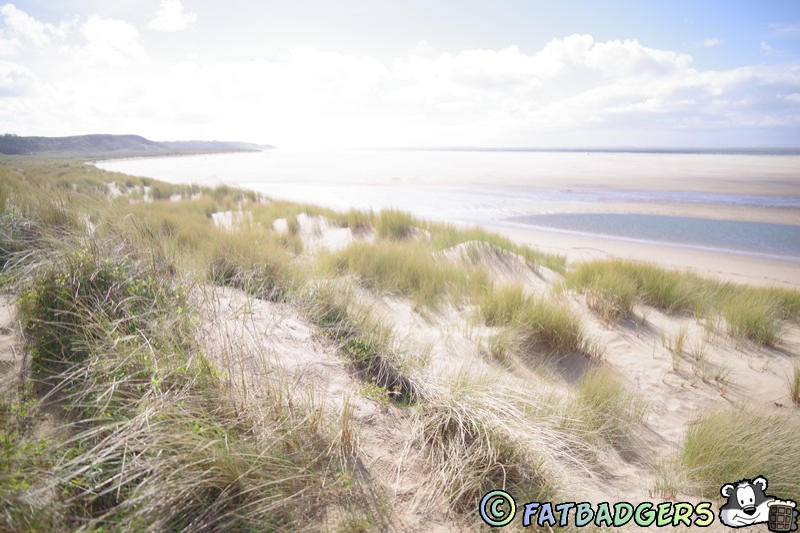
Gwynedd, Wales Sprawling, 4 mile sand beach between craggy headlands with grassy dunes.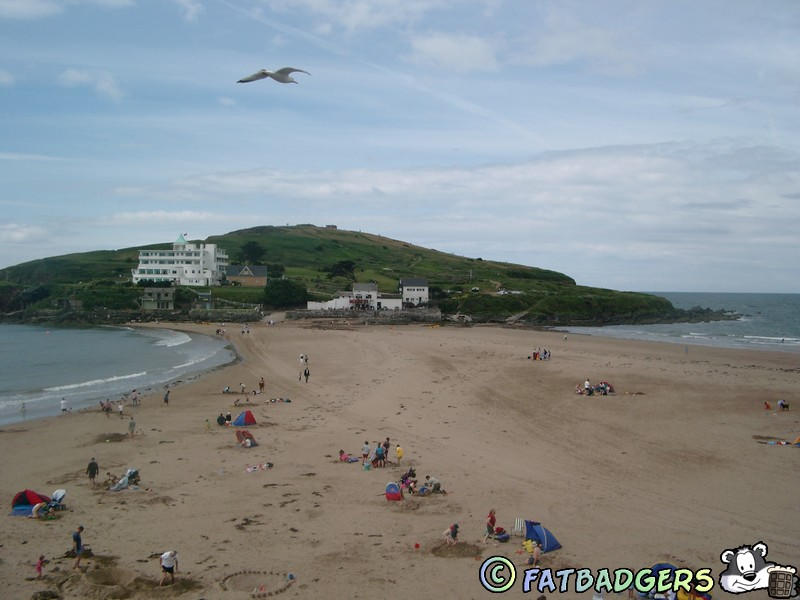





Britain’s Beaches













The UK, as an island nation, boasts an incredibly diverse and extensive coastline, offering a vast array of beaches that cater to every taste. From
rugged cliffs and wild stretches of shingle to expansive golden sands and bustling seaside resorts, British beaches are a significant part of the
national identity and a popular destination for both domestic and international visitors.




 Pubs
Pubs Open Map in New Window
 England
 Scotland
 Wales
Wales Ireland
 County Map
 About Britain
 Pubs
Pubs British Beer
 Perfect Pint
 Beer Glasses
 The Barren Years
 Real Fires
 Breweries
 Brewing
 British Food
 Recipes
 Pub Interiors
 Dog Friendly
 Pub Games
 Strange Pub Names
 Visitor Information
 Oldest Pub
 Pub Signs
 Micropubs
 Buildings
 Cathedrals
 Stately Homes
 Castles
 Listed Buildings
 Scheduled Monuments
 Oak Framing
 Architecture
 Thatching
 Waterways
 Sailing
 Shipbuilding
 Boatbuilding
  Shipping Forecast
 Britain's Coastline
 Coastal Locations
 Piers
Piers Lighthouses
 Harbours
 Beach Safety
 British Beaches
 Canals
 Rivers
 Islands
 Lakes
Lakes Waterfalls
 Historical
 Famous People
 Kings & Queens
 Kings of England
 History of Britain
 Industrial Revolution
 Act of Union
 Beaufort Scale
 British Firsts
 World Heritage Sites
 Historical Periods
 Historical Boundaries
 Tradition & Culture
 Morris Dancing
 Film & Television
 Television
 Calendar of Events
 British Sport
 Scottish Highlands
 Money
Money Dry Stone Walling
 British Wildlife
 Class System
 Geographical
 Pub Boundaries
 Facts 'n' Figures
 British Isles
 Other Areas
 Place Name Origins
 Topography
 Suggest an Inn
 Explanation of symbols
 Why Us?
 Places to Visit
 Long Distance Paths
 National Parks
 Areas of Outstanding Natural Beauty
 Coastal Locations
 Other areas of Britain
 Maps
Maps Our Favourite Locations
 Search
 Focus On...
 News
News Contact
 About Us
 Our History
 Donate