When it Was Fought:
The Battle of Britain officially took place from July 10 to October 31, 1940.The Combatants:
• Royal Air Force (RAF): Defending the United Kingdom, primarily led by Air Chief Marshal Sir Hugh Dowding (head of Fighter Command) and Air Vice-Marshal Keith Park (head of 11 Group, covering south- east England). The RAF included pilots from Britain, the Commonwealth (e.g., Canada, Australia, New Zealand, South Africa) and occupied European nations (e.g., Poles, Czechs, Belgians, French). • German Air Force (Luftwaffe): Attacking Britain, commanded by Hermann Göring.Background:
After the Fall of France in June 1940 and the evacuation of the British Expeditionary Force from Dunkirk, Britain stood alone against Nazi Germany. Adolf Hitler expected Britain to seek a peace settlement, but Prime Minister Winston Churchill made it clear that Britain would fight on. To prepare for a potential invasion of Britain, codenamed Operation Sea Lion, Germany needed to gain air superiority over the English Channel and southern England. The Luftwaffe's objective was to destroy the RAF, particularly its Fighter Command and cripple Britain's air defence infrastructure (airfields, radar stations).Phases and Key Events:
The Battle of Britain evolved through several phases as the Luftwaffe adjusted its tactics: • Channel Attacks (July 10 - August 12): The Luftwaffe initially focused on attacking British shipping in the English Channel and coastal radar stations, aiming to draw out and deplete RAF fighters. • "Adlertag" (Eagle Day) and Attacks on Airfields (August 13 - September 6): The Germans launched "Adlertag" on August 13, intending a concentrated assault on RAF airfields and infrastructure in southeast England. This became the most intense period of the battle, with fierce dogfights over Kent, Sussex and the Thames Estuary. The RAF, though heavily outnumbered, benefited from its integrated air defence system (the "Dowding System"), which combined radar, ground observers (the Royal Observer Corps) and centralized control to efficiently vector fighters to intercept incoming raids. • The Shift to Bombing London (The "Blitz" Begins) (September 7 onwards): On August 24, a lost German bomber accidentally dropped bombs on London. In retaliation, the RAF bombed Berlin. Enraged, Hitler diverted the Luftwaffe's main effort from attacking RAF airfields to bombing London and other major British cities. This tactical shift, while devastating for civilians, gave the RAF a crucial respite to repair its airfields and allowed its fighter squadrons to recover. • Battle of Britain Day (September 15): This day saw the heaviest Luftwaffe attacks on London. The RAF inflicted significant losses on the German bombers and their escorts. This day is often considered the turning point of the battle, demonstrating that the Luftwaffe could not achieve air superiority. • Decline of Day Raids (October): With the failure of their daylight bombing campaigns to break RAF Fighter Command, the Luftwaffe increasingly switched to night bombing raids, which became known as The Blitz.Key Factors in the RAF Victory:
• Superior Aircraft: The RAF's Spitfire and Hurricane fighter planes were highly effective. Spitfires were faster and more agile, often engaging German fighters (like the Messerschmitt Bf 109), while Hurricanes were robust and took on the German bombers (Heinkel He 111, Dornier Do 17, Junkers Ju 88). • Radar and the Dowding System: Britain's sophisticated radar network provided early warning of incoming raids, allowing Fighter Command to scramble its limited number of aircraft efficiently, conserving pilot energy and aircraft flying hours. • Home Advantage: RAF pilots fought over their own territory. If they bailed out, they could often be rescued and return to action quickly, whereas downed Luftwaffe pilots became prisoners of war. • Leadership and Morale: The leadership of Sir Hugh Dowding and Keith Park ensured that Fighter Command's resources were managed effectively. The morale of the RAF pilots, despite heavy losses, remained high. Winston Churchill's famous tribute, "Never in the field of human conflict was so much owed by so many to so few," captured the spirit of the pilots who defended Britain. • German Errors: The Luftwaffe made several strategic and tactical errors, including underestimating British resolve, frequently changing targets and critically, shifting focus from RAF airfields to London.Significance and Impact:
• Prevention of Invasion: The most immediate and profound significance was that the RAF's victory forced Hitler to postpone and eventually abandon Operation Sea Lion. Britain remained unconquered, a vital base for future Allied operations. • First Major Nazi Defeat: The Battle of Britain was the first significant defeat for Nazi Germany in World War II, shattering the myth of German invincibility. • Boost to Allied Morale: It provided a crucial morale boost for the Allied cause, showing that Hitler's war machine could be stopped. • Preservation of British Sovereignty: It ensured Britain's continued participation in the war, which was vital for the eventual liberation of Europe. • Impact on Air Warfare: The battle demonstrated the critical importance of air superiority in modern warfare and the effectiveness of an integrated air defence system. The Battle of Britain was a pivotal moment in World War II, a battle of attrition fought in the skies, whose outcome directly determined the fate of Britain and, arguably, the entire European war.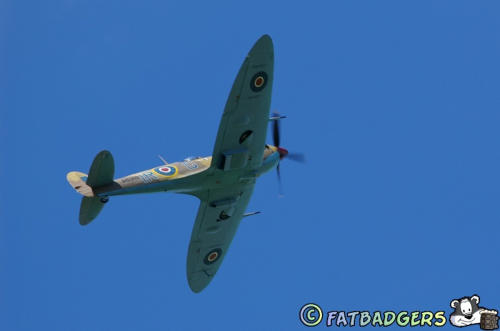
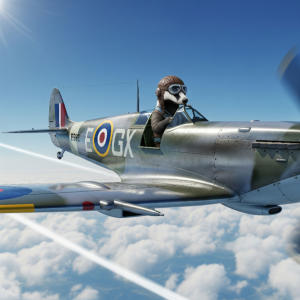
The Battle of Britain was a crucial military campaign of the Second World War, fought primarily by air forces over the skies of Southern
England. It was a pivotal moment because it was Nazi Germany's first major defeat of the war and prevented a planned German invasion
of Britain.
Battle of Britain





 Pubs
Pubs Open Map in New Window
 England
 Scotland
 Wales
Wales Ireland
 County Map
 About Britain
 Pubs
Pubs British Beer
 Perfect Pint
 Beer Glasses
 The Barren Years
 Real Fires
 Breweries
 Brewing
 British Food
 Recipes
 Pub Interiors
 Dog Friendly
 Pub Games
 Strange Pub Names
 Visitor Information
 Oldest Pub
 Pub Signs
 Micropubs
 Buildings
 Cathedrals
 Stately Homes
 Castles
 Listed Buildings
 Scheduled Monuments
 Oak Framing
 Architecture
 Thatching
 Waterways
 Sailing
 Shipbuilding
 Boatbuilding
  Shipping Forecast
 Britain's Coastline
 Coastal Locations
 Piers
Piers Lighthouses
 Harbours
 Beach Safety
 British Beaches
 Canals
 Rivers
 Islands
 Lakes
Lakes Waterfalls
 Historical
 Famous People
 Kings & Queens
 Kings of England
 History of Britain
 Industrial Revolution
 Act of Union
 Beaufort Scale
 British Firsts
 World Heritage Sites
 Historical Periods
 Historical Boundaries
 Tradition & Culture
 Morris Dancing
 Film & Television
 Television
 Calendar of Events
 British Sport
 Scottish Highlands
 Money
Money Dry Stone Walling
 British Wildlife
 Class System
 Geographical
 Pub Boundaries
 Facts 'n' Figures
 British Isles
 Other Areas
 Place Name Origins
 Topography
 Suggest an Inn
 Explanation of symbols
 Why Us?
 Places to Visit
 Long Distance Paths
 National Parks
 Areas of Outstanding Natural Beauty
 Coastal Locations
 Other areas of Britain
 Maps
Maps Our Favourite Locations
 Search
 Focus On...
 News
News Contact
 About Us
 Our History
 Donate