The Magna Carta, also known as the Great Charter, is one of the most significant documents in the history of
democracy and the development of constitutional law. It was issued by King John of England at Runnymede, near
Windsor, on June 15, 1215. The Magna Carta was created as a peace treaty between the unpopular king and a
group of rebel barons who opposed his authoritarian rule.
Historical Context:
By the early 13th century, King John had angered many of his barons with heavy taxes, arbitrary justice, and military failures, particularly the loss of English lands in France. The barons rebelled against John, demanding a reduction in royal power and the establishment of their rights. Under pressure, John agreed to negotiate and sealed the Magna Carta.Key Provisions:
The Magna Carta originally had 63 clauses, many of which dealt with feudal rights and privileges. However, certain clauses became central to its lasting legacy, especially those emphasizing the rule of law and individual rights. Some of the most important principles included:Rule of Law:
The king is not above the law and must govern according to it.Due Process:
No free man can be imprisoned, exiled, or otherwise punished except through the lawful judgment of his peers or the law of the land (a precursor to habeas corpus).Fair Taxation:
The king cannot levy or collect taxes without the consent of his council (early steps toward parliamentary consent for taxation).Protection of Property Rights:
Protection against unlawful seizure of lands and property by the king.Justice and Fair Trials:
Justice should not be sold, delayed, or denied. This laid the foundation for fair and impartial legal proceedings.Church Rights:
The Church would be free from royal interference in its matters.Legacy and Influence:
Although the Magna Carta was a specific response to a political crisis in medieval England and initially failed to resolve all the issues (King John had it annulled by Pope Innocent III just months later, leading to civil war), it was reissued and reaffirmed several times during the 13th century by subsequent monarchs. Over time, it evolved into a symbol of liberty and the rule of law, influencing legal and constitutional developments in England and beyond.Influence on the Modern World:
English Law:
The Magna Carta laid the groundwork for the development of the English common law system and later documents like the Petition of Right (1628) and the English Bill of Rights (1689).United States:
The Magna Carta was an important influence on the U.S. Constitution and the Bill of Rights. Concepts such as due process, fair trials, and protection against arbitrary governance are all rooted in Magna Carta principles.Human Rights:
The Magna Carta's legacy is often linked to the development of universal human rights, inspiring legal principles across the world, particularly those emphasizing individual liberties and the accountability of rulers.Famous Copies:
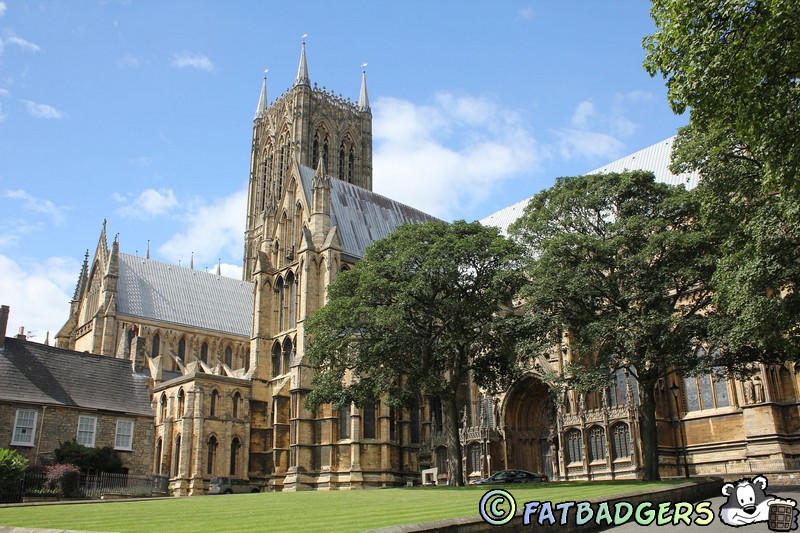
There are four known surviving original 1215 versions of the Magna Carta. They are housed in: • The British Library (two copies). • Salisbury Cathedral. • Lincoln Cathedral. The Magna Carta remains a powerful symbol of the struggle for freedom and the rule of law. It represents the early foundations of constitutional governance and continues to be a touchstone for legal debates and human rights movements around the world.First Parliament
Henry III (1207–1272) was King of England from 1216 until his death in 1272, reigning for a remarkable 56 years, one of the longest reigns in English history. He was the son of King John and Isabella of Angoulême. Henry's reign was marked by political turmoil, challenges to royal authority, and significant developments in the governance and architecture of England.Early Life and Ascension to the Throne:
Henry was only nine years old when his father, King John, died in 1216, and he was crowned king during the First Barons' War, a civil war in England between the crown and rebellious barons who had invited Prince Louis of France to take the throne. Henry’s guardianship and early government were managed by William Marshal, 1st Earl of Pembroke, who acted as regent until Henry came of age.Reign Highlights:
1. Magna Carta and Governance:
Henry III's reign was deeply influenced by the Magna Carta, which his father had reluctantly signed. As a child king, Henry's early governments reissued the Magna Carta multiple times in efforts to placate the barons and restore stability after the civil war. However, as Henry matured, his rule became more autocratic, leading to friction with his nobles.2. Conflict with the Barons:
Throughout Henry’s reign, tensions simmered between the monarchy and the barons, who resented his centralization of power and favouritism toward foreign advisors and relatives, particularly his wife's French relatives, the Lusignan family. This culminated in the Second Barons' War (1264–1267), led by Simon de Montfort, Earl of Leicester, who demanded reforms and the establishment of a Provisions of Oxford in 1258, which imposed limitations on royal power. Simon de Montfort briefly seized control of the government, but Henry’s forces, led by his son Edward (the future Edward I), eventually defeated Montfort at the Battle of Evesham in 1265. This civil war weakened royal authority for a time, though Henry’s reign was restored.3. Cultural and Architectural Patronage:
Henry III is remembered for his deep religious devotion, particularly to Edward the Confessor, and for his contributions to architecture. He ordered the rebuilding of Westminster Abbey in the Gothic style—one of the most significant architectural achievements of medieval England. Henry saw himself as a pious king, and Westminster Abbey’s reconstruction was meant to serve as a shrine to Edward the Confessor and enhance the prestige of the monarchy. Henry’s reign also saw the construction of numerous castles and royal residences, including Windsor Castle, which he extended.4. Foreign Policy and Marriages:
Henry married Eleanor of Provence in 1236, forming alliances with France and Provence. He also sought to extend his influence over continental possessions, particularly in Gascony and Poitiers. However, his costly and often ineffective campaigns to reclaim territories lost by his father in France strained royal finances and further alienated his barons.5. Parliamentary Development:
While Henry III struggled with his barons over governance, his reign saw the beginning of more formal parliamentary assemblies. Simon de Montfort’s brief control during the Second Barons' War led to the calling of what is considered one of the first true English Parliaments in 1265, with representation not only from the nobility but also from commoners—knights and burgesses from the towns. This was an important step toward the development of Parliament as a lasting institution in England.Death and Succession:
Henry III died on November 16, 1272. His reign, though long and turbulent, helped shape the evolution of English governance, particularly the role of Parliament. He was succeeded by his son, Edward I, who would become one of England’s most powerful medieval kings, known for his military campaigns and legal reforms. Henry III’s legacy is mixed—he is often seen as a pious king who struggled with his barons and was overshadowed by the more commanding presence of his son Edward. However, his reign laid critical foundations for the later development of constitutional government in England.Edward I
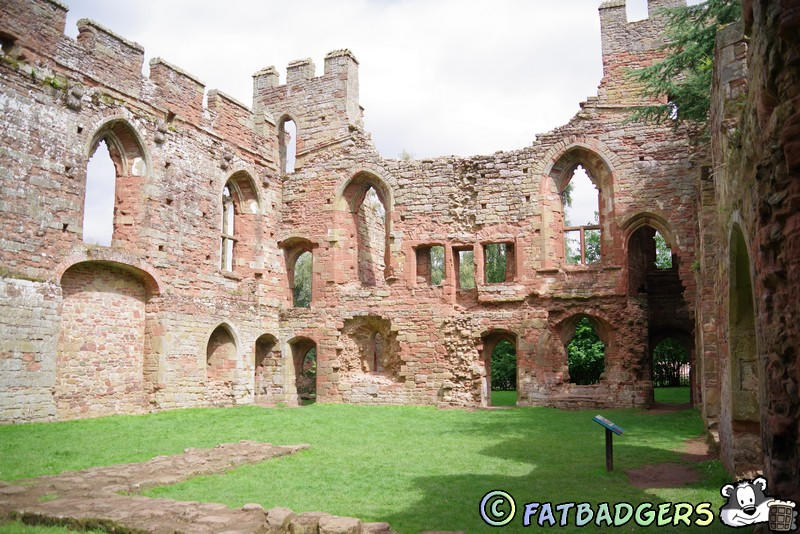
On the 30th May 1282 the king summoned the nobility during May from Acton Burnell Manor in Shropshire, this parliament met at Shrewsbury but was forced to move to Robert Burnell's estate at Acton Burnell, Burnell was a close friend of the King. The great barn at Acton Burnell was used to host two meetings of the English Parliament, one of which in 1283 was the first ever law-making process to include the Commons. The law passed there regarding the protection of creditors became known as the Statute of Acton Burnell. In 1284 Robert Burnell built Acton Burnell Castle adjacent to the Great Barn. Burnell served as Chancellor of England under Edward and was also the Bishop of Bath & Wells, nearly becoming Archbishop of Canterbury on two occasions – his keeping of a long-term mistress prevented this. Acton Burnell Castle moated complex survives well and is a good example of a large moated site of high status, one of the most substantial of its kind in the county. Around 6,000 moated sites are known in England, the peak period during which moated sites were built was between about 1250 and 1350.

Magna Carta
 Pubs
Pubs Open Map in New Window
 England
 Scotland
 Wales
Wales Ireland
 County Map
 About Britain
 Pubs
Pubs British Beer
 Perfect Pint
 Beer Glasses
 The Barren Years
 Real Fires
 Breweries
 Brewing
 British Food
 Recipes
 Pub Interiors
 Dog Friendly
 Pub Games
 Strange Pub Names
 Visitor Information
 Oldest Pub
 Pub Signs
 Micropubs
 Buildings
 Cathedrals
 Stately Homes
 Castles
 Listed Buildings
 Scheduled Monuments
 Oak Framing
 Architecture
 Thatching
 Waterways
 Sailing
 Shipbuilding
 Boatbuilding
  Shipping Forecast
 Britain's Coastline
 Coastal Locations
 Piers
Piers Lighthouses
 Harbours
 Beach Safety
 British Beaches
 Canals
 Rivers
 Islands
 Lakes
Lakes Waterfalls
 Historical
 Famous People
 Kings & Queens
 Kings of England
 History of Britain
 Industrial Revolution
 Act of Union
 Beaufort Scale
 British Firsts
 World Heritage Sites
 Historical Periods
 Historical Boundaries
 Tradition & Culture
 Morris Dancing
 Film & Television
 Television
 Calendar of Events
 British Sport
 Scottish Highlands
 Money
Money Dry Stone Walling
 British Wildlife
 Class System
 Geographical
 Pub Boundaries
 Facts 'n' Figures
 British Isles
 Other Areas
 Place Name Origins
 Topography
 Suggest an Inn
 Explanation of symbols
 Why Us?
 Places to Visit
 Long Distance Paths
 National Parks
 Areas of Outstanding Natural Beauty
 Coastal Locations
 Other areas of Britain
 Maps
Maps Our Favourite Locations
 Search
 Focus On...
 News
News Contact
 About Us
 Our History
 Donate