Britain has a few traditions some quirky, some serious and some downright
bonkers. Some appeal to families and some are only a tradition in very
local areas often unknown to others outside the local area.
There are hundreds of eccentric local customs - many dating back
centuries - that survive mainly because communities enjoy keeping them
alive. Some are athletic, some symbolic and some are just gloriously
bizarre.
Strange British Traditions
Cheese Rolling
At Cooper's Hill, competitors sprint, tumble, and crash down an extremely steep hill chasing a wheel of Double Gloucester cheese. The cheese can reach dangerous speeds, and injuries are common. The winner gets the cheese.Bog Snorkelling
Held in Llanwrtyd Wells, competitors swim two lengths of a muddy peat bog trench using flippers and a snorkel. It’s exactly as unpleasant as it sounds.Worm Charming Championships
In parts of England, especially around Blackawton, people compete to attract the most worms from the ground within a set time. Methods include: • vibrating the soil • tapping sticks • playing music • dancing The rules forbid digging.Pearly Kings and Queens
A traditional working-class London custom where families wear black outfits covered in thousands of pearl buttons to raise money for charity. The tradition began in the 19th century in London.Toe Wrestling Championships
In Ashbourne, competitors lock toes and try to force the opponent’s foot sideways like arm wrestling — but with feet. Yes, there are referees.The Haxey Hood
In Haxey, hundreds of villagers wrestle for possession of a leather tube called “the Hood” and attempt to push it toward their pub. The event dates back around 700 years.The Tar Barrel Festival
In Ottery St Mary, locals run through crowded streets carrying flaming barrels of tar on their shoulders. It takes place every November around Bonfire Night.Swan Upping
Every summer on the River Thames, teams in traditional rowing boats count and inspect swans belonging historically to the Crown. It’s an ancient royal custom dating back to medieval times, when swans were considered valuable food.Well Dressing
Particularly in Peak District villages, communities decorate wells using flower petals, leaves, seeds, and natural materials arranged into intricate pictures. The origins may go back to pagan or medieval water rituals.Conker Championships
People battle using conkers (horse chestnuts on strings), attempting to smash each other’s conker without breaking their own. A surprisingly serious competitive scene exists.Beating the Bounds
Still practised in some parishes and schools. Communities walk around historic boundary lines to remember territorial limits - originally important before accurate maps existed. Traditionally, children were sometimes lightly bumped against boundary stones so they would remember the locations. A lot of these traditions survive because Britain has strong local identity and communities enjoy preserving customs that are: • medieval, • agricultural, • religious, • or simply absurd. Many villages are proud of having “the weirdest festival in Britain.”Royal traditions & London eccentricities
Trooping the Colour
An annual military parade celebrating the monarch’s official birthday in London. It includes marching regiments, cavalry, music, and a Royal Air Force flypast over Buckingham Palace.Changing of the Guard
Ceremonial handover performed by the King’s Guard outside royal residences, especially Buckingham Palace. Tourists often gather to watch the precision marching and military bands.State Opening of Parliament
A highly formal event where the monarch travels in a ceremonial carriage and delivers the King’s Speech at the Palace of Westminster.Royal coronations
Modern coronations in Westminster Abbey still include: • anointing with holy oil • medieval regalia • ancient oaths • ceremonial swords and crowns The structure of the service is rooted in medieval Christian kingship traditions.The Lord Mayor’s Show
Held annually in London since the early 1200s. The newly elected Lord Mayor of the City of London Corporation travels in a grand procession to swear loyalty to the monarch. It includes: • ceremonial coaches • military bands • guilds • costumes • pageantryThe Ceremony of the Keys
Every night at Tower of London, guards perform a locking ceremony that has continued for centuries with almost no interruption. The fortress is formally secured with spoken ritual phrases and military procedure.Guilds and Livery Companies
In the City of London, medieval trade guilds still exist as ceremonial and charitable organisations. Examples include: • the Worshipful Company of Goldsmiths • Fishmongers • Drapers They once regulated trades and apprenticeships.Tea culture
Afternoon tea One of the most internationally famous British customs: • tea served with sandwiches • scones with jam and clotted cream • cakes and pastries Traditionally associated with the upper classes in the 19th century. “Tea” as a social ritual Many Britons use tea as: • a comfort drink • a break during work • a way to welcome guests • a response to stressful situations The phrase “put the kettle on” is almost cultural shorthand for calming down or gathering together.Holiday traditions
Bonfire Night (Guy Fawkes Night)
Celebrated on 5 November with fireworks and bonfires, commemorating the failed Gunpowder Plot. People often burn “Guy” effigies and attend large firework displays.Christmas crackers
At Christmas dinner, people pull paper crackers that: • snap loudly • contain paper hats • include small toys or jokes Wearing the paper crown during dinner is part of the tradition.Boxing Day
Observed on 26 December. Traditionally linked to charitable giving and servants receiving gifts, now associated with football matches, shopping sales, and family gatherings.Pub culture
The British pub is historically a social centre: • conversation • quizzes • Sunday roasts • darts • local community life Traditional pubs are especially associated with village life and historic city neighbourhoods.Seasonal and regional traditions
Morris dancing
A traditional English folk dance with bells, sticks, ribbons, and live folk music, often performed at village festivals.Burns Night
In Scotland, people celebrate poet Robert Burns with haggis, whisky, poetry readings, and traditional music.May Day celebrations
Spring festivals featuring maypoles, flower crowns, and village fairs.Oxford and Cambridge traditions
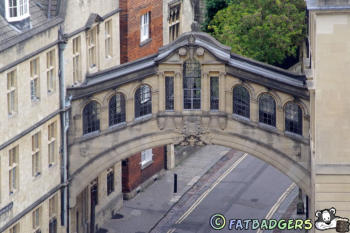
At University of Oxford and University of Cambridge, many medieval customs survive: • Latin used in ceremonies • academic gowns • formal halls • centuries-old dining rituals • ceremonial processions The universities themselves were founded in the medieval period.Everyday British social customs
Some informal traditions foreigners often notice: • queueing politely • apologising frequently • talking about the weather • indirect communication • buying rounds of drinks in pubs These aren’t official traditions, but they’re deeply embedded social habits.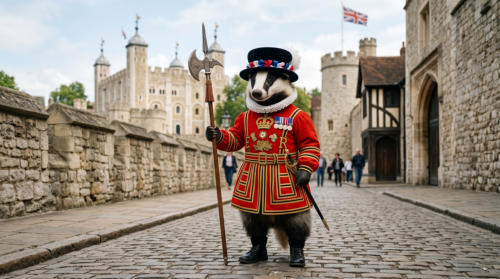


There are a mix of royal ceremony, regional customs, seasonal festivals, pub culture and everyday social habits that evolved over centuries across
United Kingdom.
British Traditions
















 Pubs
Pubs Open Map in New Window
 England
 Scotland
 Wales
Wales Ireland
 County Map
 About Britain
 Pubs
Pubs British Beer
 Perfect Pint
 Beer Glasses
 The Barren Years
 Real Fires
 Breweries
 Brewing
 British Food
 Recipes
 Pub Interiors
 Dog Friendly
 Pub Games
 Strange Pub Names
 Visitor Information
 Oldest Pub
 Pub Signs
 Micropubs
 Buildings
 Cathedrals
 Stately Homes
 Castles
 Listed Buildings
 Scheduled Monuments
 Oak Framing
 Architecture
 Thatching
 Waterways
 Sailing
 Shipbuilding
 Boatbuilding
  Shipping Forecast
 Britain's Coastline
 Coastal Locations
 Piers
Piers Lighthouses
 Harbours
 Beach Safety
 British Beaches
 Canals
 Rivers
 Islands
 Lakes
Lakes Waterfalls
 Historical
 Famous People
 Kings & Queens
 Kings of England
 History of Britain
 Industrial Revolution
 Act of Union
 Beaufort Scale
 British Firsts
 World Heritage Sites
 Historical Periods
 Historical Boundaries
 Tradition & Culture
 Morris Dancing
 Film & Television
 Television
 Calendar of Events
 British Sport
 Scottish Highlands
 Money
Money Dry Stone Walling
 British Wildlife
 Class System
 Geographical
 Pub Boundaries
 Facts 'n' Figures
 British Isles
 Other Areas
 Place Name Origins
 Topography
 Suggest an Inn
 Explanation of symbols
 Why Us?
 Places to Visit
 Long Distance Paths
 National Parks
 Areas of Outstanding Natural Beauty
 Coastal Locations
 Other areas of Britain
 Maps
Maps Our Favourite Locations
 Search
 Focus On...
 News
News Contact
 About Us
 Our History
 Donate