News
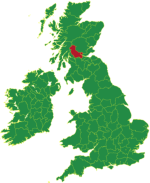
The Central Region of Scotland, historically referred to as the Central Belt, is a
key area that covers the most populous and economically active regions of the
country. While it is no longer an official administrative division, it remains a
common way to describe the central part of Scotland, stretching between the two
largest cities, Glasgow in the west and Edinburgh in the east.
The Central Region was previously one of Scotland's administrative regions
between 1975 and 1996 and was made up of the counties of Stirlingshire,
Clackmannanshire, and part of Perthshire. Today, it includes key parts of West
Lothian, Falkirk, Stirling, and parts of North Lanarkshire.
Towns and cities
Stirling:
Known for its pivotal role in Scottish history, Stirling Castle and the nearby Bannockburn Battlefield were key sites in the Wars of Scottish Independence. The town's central location earned it the title of the "Gateway to the Highlands."Falkirk:
Famous for the Falkirk Wheel, a rotating boat lift connecting the Forth and Clyde Canal with the Union Canal, and the nearby Kelpies, 30-meter-high horse-head sculptures that celebrate Scotland’s industrial and equestrian heritage.Alloa:
Located in Clackmannanshire, this town has a rich industrial past tied to coal mining, brewing, and glassmaking. Alloa Tower, a medieval fortress, is a prominent historical site.Linlithgow:
Known for Linlithgow Palace, the birthplace of Mary, Queen of Scots, the town has deep historical roots and offers a picturesque setting by Linlithgow Loch.Area
2,634 sq. km / 1,017 sq. miles
Population
272,900 (2022)
Topography
The Central Lowlands are characterized by relatively flat or gently undulating land, especially between the cities of Glasgow and
Edinburgh. This area is heavily urbanized and developed but also features agricultural plains.
Commerce
The Central Region is Scotland’s economic powerhouse, driven by industries such as finance, technology, manufacturing, and services.
Glasgow is a major centre for banking, finance, and technology, while Edinburgh is the financial capital of Scotland, home to major
financial institutions and the Edinburgh International Festival.
Tourism is a key contributor to the economy, with visitors attracted to the cities of Glasgow and Edinburgh, historic sites, and the natural
beauty of the surrounding countryside.
The Forth Valley area, including Falkirk and Stirling, has seen growth in industries such as petrochemicals, engineering, and logistics.
Famous people
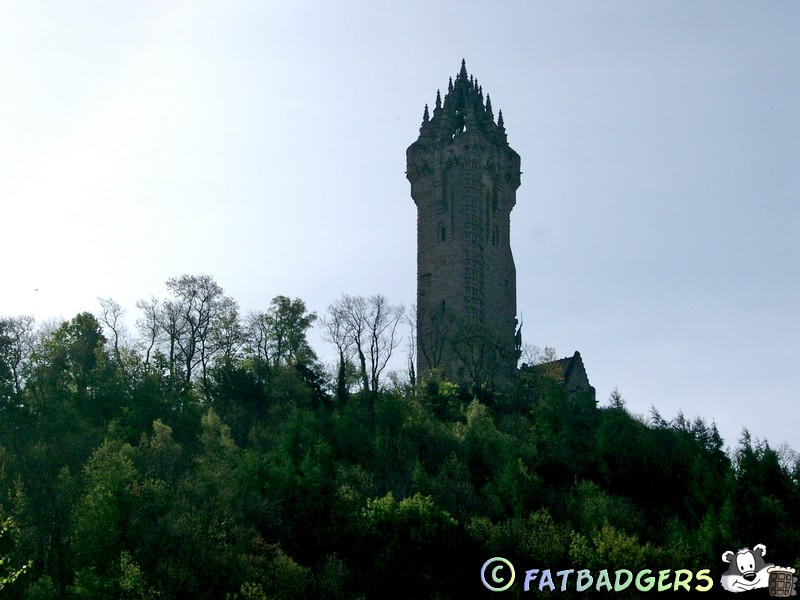
William Wallace, Robert the Bruce
Attractions
History
The Central Region has been at the heart of many significant historical events in Scotland, particularly during the Wars of Scottish Independence. Key battles such as Bannockburn (1314), where Robert the Bruce defeated the English, took place near Stirling. The region has numerous castles, abbeys, and historic sites, including Doune Castle (famous for its appearances in films and TV series like Monty Python and Outlander) and Cambuskenneth Abbey.Culture
Cultural Events:
The region hosts several annual festivals, including the Edinburgh International Festival, Edinburgh Festival Fringe, and Glasgow’s Celtic Connections, a celebration of traditional Scottish music.Stirling Castle:
One of Scotland's most important historical sites, offering panoramic views of the surrounding landscape and a deep connection to Scotland's monarchy and military history. Forth Valley and the surrounding countryside are known for their scenic beauty and environmental importance. Efforts are made to protect wildlife, particularly along the River Forth and in areas like The Trossachs.The Kelpies:
Located near Falkirk, these massive horse sculptures are a tribute to Scotland’s industrial and agricultural heritage.The Trossachs
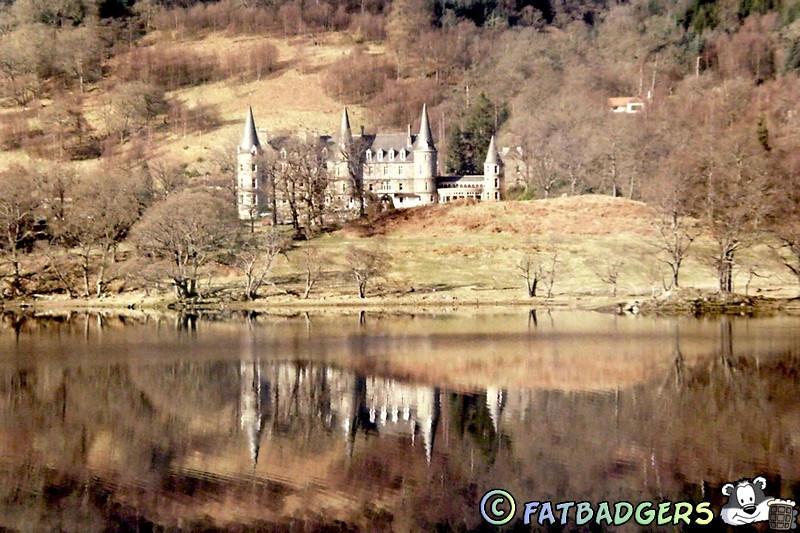
Woodland glen between lochs Katrine and Achray in Stirling unitary authority, Scotland, 3 km/2 mi long. Overlooking it are Ben Venue (727 m/2,386 ft) and Ben A'an (369 m/ 1,211 ft), a popular climbing venue, which rests against Meall Gainmheich (564 m/1,851 ft). Featured in the novels of Walter Scott, it has become a favoured tourist spot. The spectacular Tigh Mor, a former hotel sits with magnificent views across Loch Achray and boasts Queen Victoria as one of the former residents. Dating back to 1849 it is a Category B listed building designed in an interesting Gothick / Baronial hybrid style. Conceived by Lord Willoughby D'Eresby with architectural advice from G.P. Kennedy. Kennedy was involved with work at Drummond Castle. The building is now part of a holiday property bond.The Falkirk Wheel:
A unique engineering marvel, this rotating boat lift connects two major canals and attracts visitors interested in Scotland’s canal heritage.Doune Castle:
This medieval stronghold near Stirling is popular with film and TV fans for its appearance in Monty Python, Outlander, and Game of Thrones. The region offers access to both the Lowlands and the Highlands, making it a gateway to some of Scotland’s most beautiful landscapes. The Trossachs National Park, near Stirling, is a popular destination for hiking, cycling, and exploring lochs and forests. Loch Lomond: Located to the west, this iconic loch is known for its beauty and is part of the Loch Lomond and The Trossachs National Park. The Pentland Hills to the south of Edinburgh offer excellent walking and outdoor activities close to the city.Transport
The Central Region is well-connected by road, rail, and air. The M8 motorway links Glasgow and Edinburgh, and other major roads like the M9 and M80 connect the region to the rest of Scotland. Glasgow Airport and Edinburgh Airport are Scotland’s two busiest airports, providing international and domestic flights. Train services: Both cities are major rail hubs, with connections across Scotland and to London.Education
The University of Stirling: A major academic institution, known for its scenic campus and strong research programs.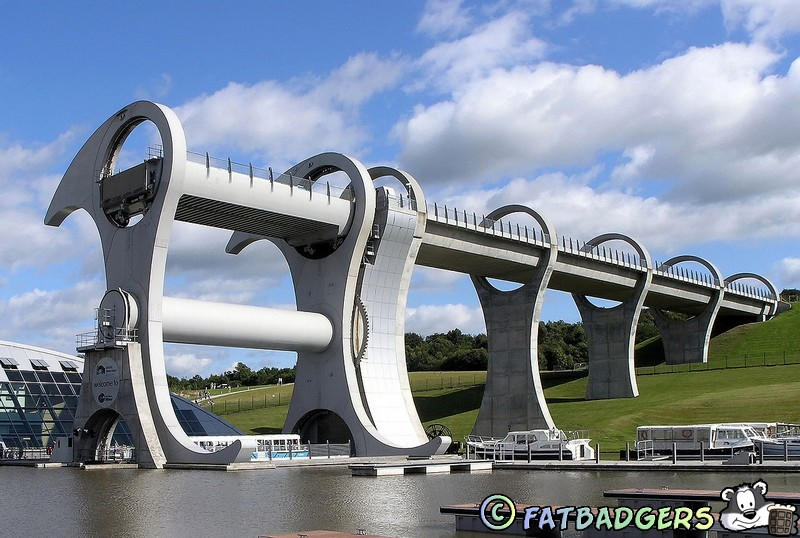



 Pubs
Pubs Open Map in New Window
 England
 Scotland
 Wales
Wales Ireland
 County Map
 About Britain
 Pubs
Pubs British Beer
 Perfect Pint
 Beer Glasses
 The Barren Years
 Real Fires
 Breweries
 Brewing
 British Food
 Recipes
 Pub Interiors
 Dog Friendly
 Pub Games
 Strange Pub Names
 Visitor Information
 Oldest Pub
 Pub Signs
 Micropubs
 Buildings
 Cathedrals
 Stately Homes
 Castles
 Listed Buildings
 Scheduled Monuments
 Oak Framing
 Architecture
 Thatching
 Waterways
 Sailing
 Shipbuilding
 Boatbuilding
  Shipping Forecast
 Britain's Coastline
 Coastal Locations
 Piers
Piers Lighthouses
 Harbours
 Beach Safety
 British Beaches
 Canals
 Rivers
 Islands
 Lakes
Lakes Waterfalls
 Historical
 Famous People
 Kings & Queens
 Kings of England
 History of Britain
 Industrial Revolution
 Act of Union
 Beaufort Scale
 British Firsts
 World Heritage Sites
 Historical Periods
 Historical Boundaries
 Tradition & Culture
 Morris Dancing
 Film & Television
 Television
 Calendar of Events
 British Sport
 Scottish Highlands
 Money
Money Dry Stone Walling
 British Wildlife
 Class System
 Geographical
 Pub Boundaries
 Facts 'n' Figures
 British Isles
 Other Areas
 Place Name Origins
 Topography
 Suggest an Inn
 Explanation of symbols
 Why Us?
 Places to Visit
 Long Distance Paths
 National Parks
 Areas of Outstanding Natural Beauty
 Coastal Locations
 Other areas of Britain
 Maps
Maps Our Favourite Locations
 Search
 Focus On...
 News
News Contact
 About Us
 Our History
 Donate

