The agriculture of Britain has a long and evolving history, shaped by geography, climate, and technological advancements. It remains a crucial sector, balancing
traditional farming methods with modern innovations.
Historical Overview
Agriculture in Britain dates back to the Neolithic period, when early farmers began cultivating wheat and barley and domesticating animals. The Roman period introduced improved ploughing techniques and new crops like grapes. The medieval open-field system dominated until the Agricultural Revolution (17th–19th centuries), which saw crop rotation, selective breeding, and mechanization transforming productivity. • Medieval Period: Agriculture was central to the feudal economy, with the open field system and communal farming practices. The three-field crop rotation system was a significant agricultural practice that developed during the Middle Ages, particularly gaining prominence in England during the 8th century. By leaving one field fallow each year, the system helped restore nutrients to the soil, particularly nitrogen, which is vital for plant growth. Legumes in the rotation also helped by fixing nitrogen in the soil. - First Year: One field would be planted with a winter crop like wheat or rye, which would grow over winter and be harvested in late summer. - Second Year: The second field would be planted with spring crops, such as oats, barley, or legumes (like peas and beans), which would be sown in spring and harvested later in the year. - Third Year: The third field would be left fallow, meaning it would not be planted at all, allowing the soil to recover its nutrients and reduce pest and disease build-up. • 17th-19th Century: The Agricultural Revolution brought about significant changes, including crop rotation, selective breeding, and new farming techniques which dramatically increased productivity. The 18th and 19th centuries marked significant innovations, including the enclosure movement, which consolidated land into private farms, and technological advancements like the seed drill by Jethro Tull. The Norfolk Four-Course Rotation, developed in the 18th century by Charles Townshend, was one of the most famous crop rotation systems, improving upon medieval three-field methods. This system helped increase agricultural productivity in Britain. The sequence of four crops (wheat, turnips, barley and clover), included a fodder crop and a grazing crop, allowing livestock to be bred year-round. • 20th Century: Post-World War II, Britain saw a shift with the introduction of modern farming methods, heavy use of fertilizers, and pesticides, alongside a push for self-sufficiency due to wartime experiences.Modern Agriculture
Today, British agriculture is highly mechanised, efficient, and diverse, but it faces challenges like climate change, Brexit-related policy shifts, and sustainability concerns. • Land Use: Agriculture covers about 71% of the UK's land area. The primary use is for grazing (pasture and meadow) at around 64%, with crops taking up about 25%. • Key Crops: The predominant crops include wheat, barley, oats, potatoes, sugar beets, and oilseed rape (canola). Horticulture also plays a role with fruits like apples and vegetables like carrots. • Livestock: Sheep and cattle are significant, with dairy and beef being major sectors. Poultry, especially chicken, has also grown in importance for both meat and eggs. Beef and dairy farming are substantial, with breeds like Aberdeen Angus for beef and Holstein for dairy being popular. Sheep farming is also significant, especially in upland areas for wool and meat. • Farming Structure: There's a mix of large estates, family farms, and increasingly, corporate farming. The average farm size has been increasing, but small farms continue to exist, often specializing in niche markets like organic or artisanal products. • Sustainability and Environment: Modern British agriculture faces challenges around sustainability, including climate change impacts, soil health, biodiversity loss, and water management. There's a push towards more sustainable practices like regenerative agriculture, agroecology, and reducing chemical inputs.Key Agricultural Sectors
• Arable Farming – Eastern and southern England have fertile soil ideal for crops like wheat, barley, oats, and oilseed rape. • Livestock Farming – Scotland, Wales, and the west of England specialize in sheep, cattle, and dairy farming. • Horticulture – Fruit and vegetable production, such as apples (Kent), strawberries, and potatoes, is concentrated in regions like the Fens of East Anglia. • Dairy Farming – Major dairy-producing areas include southwest England (Devon and Cornwall) and Cheshire.Technological Advancements
• Precision farming using drones and GPS. • Vertical and hydroponic farming for urban areas. • Genetic improvements in livestock and crops.Environmental & Policy Challenges
• Post-Brexit regulations affecting subsidies and trade. • Climate change impacting weather patterns and crop yields. • Sustainable practices, such as organic farming and reduced pesticide use, gaining importance. There's been a movement towards sustainable practices, including organic farming, conservation agriculture, and integrated pest management. The Environmental Land Management schemes encourage farmers to adopt practices that benefit biodiversity and climate. Despite challenges, including foot and mouth disease, mad cow disease and Brexit - Britain’s decision to leave the European Union, British agriculture remains innovative and resilient, balancing food production with environmental conservation.Farm Buildings
British farm buildings encompass a wide variety of structures, each adapted to the needs of farming practices across different regions and historical periods in the United Kingdom.1.
Barns:
• Traditional Threshing Barns: Often made from local stone or brick with thatched or slate roofs, these were used for storing and processing grain. They typically feature a central threshing floor with doors at each end for ventilation. • Dutch Barns: Introduced in the late 19th and early 20th centuries, these are open-sided structures used for storing hay or straw, characterised by their steel frames and corrugated iron roofs.2. Cattle Sheds/Cow Houses:
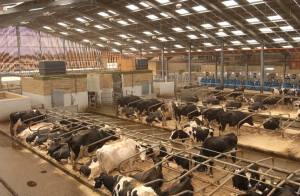
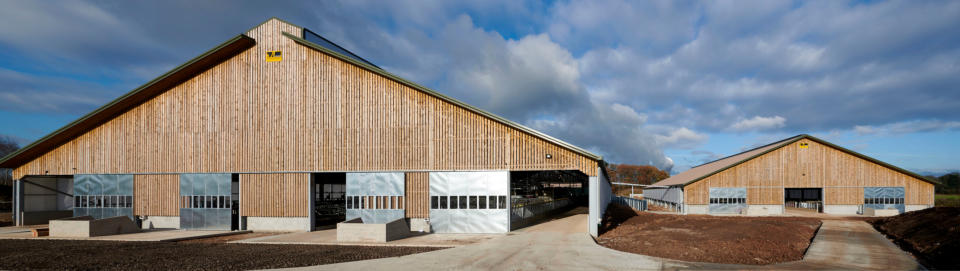
• These buildings vary by region but are designed for housing cattle, especially during winter. They might have stalls or loose housing with feeding passages.3. Dairy Buildings:
• Including milking parlours and dairy houses for milk processing, these buildings have evolved significantly with technology, from simple stone structures to modern, insulated buildings with advanced equipment.4. Granaries:
• Smaller than barns, granaries were used for storing grain, often raised on staddle stones to protect from rodents. They are typically found with ventilation to keep the grain dry.5. Stables:
• For horses, which were crucial for farm work before mechanization. Stables might be part of larger complexes or standalone buildings.6. Pigsties and Poultry Houses:
• Smaller outbuildings or sections of larger barns for pigs and poultry, often with specific designs to manage hygiene and space efficiently.7. Oast Houses:
• Predominantly in Kent, these are used for drying hops with distinctive round or square kilns topped with conical roofs.8. Linhays (or Linneys):
• Open-fronted shelters for cattle or other livestock, commonly found in the South West of England, often with an upper storage area for hay.9. Cart Sheds and Implement Sheds:
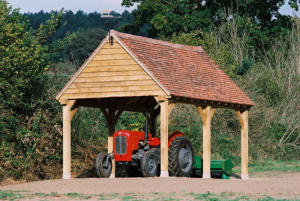
• For storing farm machinery, carts, and tools. These could be simple lean-tos or more substantial structures.10. Dovecotes:
• For raising pigeons, which were used for food. These can range from simple wooden structures to elaborate stone buildings.Materials:
Traditional materials include local stone, brick, timber, and thatch, although modern buildings might use concrete, steel, and corrugated iron for durability and cost-effectiveness.Conservation:
Many traditional farm buildings are now considered part of the UK's heritage, leading to preservation efforts by organizations like the National Trust or through listing by Historic England.

British agriculture has a rich history and plays a significant role in the country's economy, culture and landscape.
British Agriculture













 Pubs
Pubs Open Map in New Window
 England
 Scotland
 Wales
Wales Ireland
 County Map
 About Britain
 Pubs
Pubs British Beer
 Perfect Pint
 Beer Glasses
 The Barren Years
 Real Fires
 Breweries
 Brewing
 British Food
 Recipes
 Pub Interiors
 Dog Friendly
 Pub Games
 Strange Pub Names
 Visitor Information
 Oldest Pub
 Pub Signs
 Micropubs
 Buildings
 Cathedrals
 Stately Homes
 Castles
 Listed Buildings
 Scheduled Monuments
 Oak Framing
 Architecture
 Thatching
 Waterways
 Sailing
 Shipbuilding
 Boatbuilding
  Shipping Forecast
 Britain's Coastline
 Coastal Locations
 Piers
Piers Lighthouses
 Harbours
 Beach Safety
 British Beaches
 Canals
 Rivers
 Islands
 Lakes
Lakes Waterfalls
 Historical
 Famous People
 Kings & Queens
 Kings of England
 History of Britain
 Industrial Revolution
 Act of Union
 Beaufort Scale
 British Firsts
 World Heritage Sites
 Historical Periods
 Historical Boundaries
 Tradition & Culture
 Morris Dancing
 Film & Television
 Television
 Calendar of Events
 British Sport
 Scottish Highlands
 Money
Money Dry Stone Walling
 British Wildlife
 Class System
 Geographical
 Pub Boundaries
 Facts 'n' Figures
 British Isles
 Other Areas
 Place Name Origins
 Topography
 Suggest an Inn
 Explanation of symbols
 Why Us?
 Places to Visit
 Long Distance Paths
 National Parks
 Areas of Outstanding Natural Beauty
 Coastal Locations
 Other areas of Britain
 Maps
Maps Our Favourite Locations
 Search
 Focus On...
 News
News Contact
 About Us
 Our History
 Donate