Historical Influence
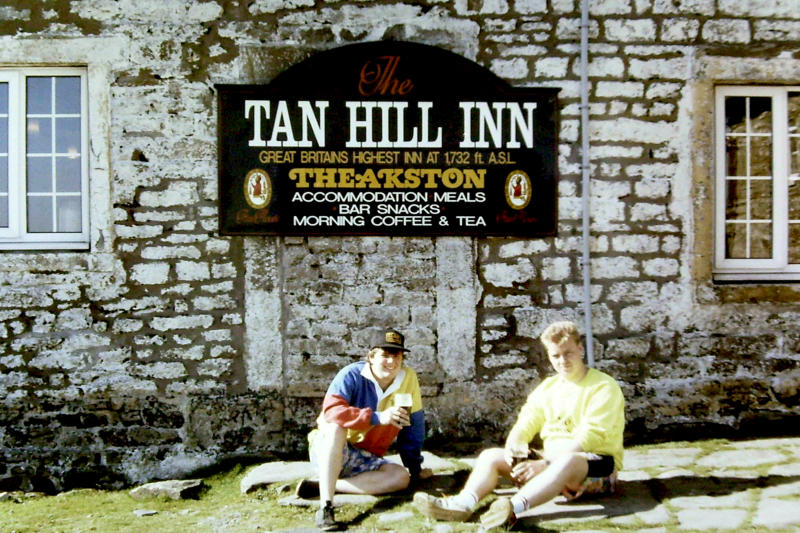
• Britain has experienced five major ice ages with the current one on the rise. The previous ice ages shaped the Geology of the UK • The mild climate and steady rainfall supported early settlements and agriculture. • Britain's island geography and foggy, wet conditions often helped defend it from invasions (e.g., Spanish Armada struggles in 1588). If you are paying a visit to the UK and it starts to rain, our advice is go to the pub for a while as there’s a good chance the sun will be back out before you can get drunk - or it may turn to snow depending on what time of year it is. If you’re really lucky, you could be walking the Pennine Way when it starts to rain and if the nearest pub is the Tan Hill Inn you better hope you packed some extra knickers because you could get snowed in and have to stay in the pub for a few days. Unluckily we’ve only been there in the sunshine. Being an island nation the UK is blessed with great & challenging sailing conditions due to the high tidal range. It is not unknown for the Solent to be sunny whilst the Isle of Wight and the mainland are covered by cloud. The shipping forecast gives yachts and merchant vessels an accurate synopsis of the weather conditions using the Beaufort Scale created by Sir Francis Beaufort. The changing conditions mean that it can be a balmy sunny summers day and then pouring with heavy rain 5 minutes later. Just when you think it is set for the day the sun will then come out again.Key Characteristics of the British Climate
Mild Temperatures The average temperature in the UK ranges from about 0°C (32°F) in winter to around 15°C (59°F) in summer. However, due to the influence of the Gulf Stream, which brings warmer water from the Gulf of Mexico, the climate is milder compared to other places at similar latitudes. • Winters: o Cool but not extreme (average temperatures between 2–7°C (36–45°F)). • Summers: o Warm but not excessively hot (average temperatures between 15–25°C (59–77°F)). • Temperature Extremes are Rare - The ocean moderates extreme heat or cold.Frequent Rainfall
Britain is known for its rain, with precipitation spread throughout the year. The wettest months are typically from October to February, although showers can occur at any time. The west of Britain, particularly in Wales and the western parts of Scotland, tends to be wetter than the east. • Annual Rainfall: o Ranges from 600 mm (24 in) in drier areas (e.g., East Anglia) to over 3,000 mm (118 in) in wet regions (e.g., Scottish Highlands). • Wettest Regions: o Western areas (Wales, Scotland, and Northern Ireland) due to moist Atlantic winds. • Driest Regions: o The south-east (London, East Anglia) gets less rain.Changeable Weather
Britain is notorious for unpredictable weather, sometimes experiencing sun, rain, snow and wind in the same day! Caused by the meeting of polar air from the north and tropical air from the south. The summers can be hot but are mostly a pleasant warm temperature which can lead to busy tourist destinations especially pub gardens in tourist locations.Influence of the Gulf Stream
The North Atlantic Drift (part of the Gulf Stream) brings warmer waters to Britain’s shores, keeping winters milder than other places at the same latitude (e.g., Canada). The gulf stream runs up the west coast of the UK and up past the spectacular West Coast of Scotland which has led to certain parts of Scotland that has palm trees growing near the coast.Regional Variations:
• England: The south-east, including London, generally has warmer and drier conditions than the rest of the country. • Scotland: Experiences cooler temperatures, especially in the Highlands, with more rainfall, particularly in the west. • Wales: Similar to Scotland, the west is wetter with more mountainous regions influencing local climate conditions. • Northern Ireland: Also experiences a lot of rain but has milder winters due to the influence of the Atlantic.Impact on Agriculture
Farming Adaptations: • Mild temperatures allow for year-round farming, but frequent rain can lead to waterlogged fields. • Crop rotation (e.g., Norfolk Four-Course System) was vital for maintaining soil health. • Livestock farming thrives in wetter western areas, while drier eastern regions favour cereal crops.


The climate of Britain is classified as temperate maritime, meaning it is generally mild, wet, and changeable due to its location in the path of prevailing
westerly winds and its proximity to the Atlantic Ocean.
The British Climate













 Pubs
Pubs Open Map in New Window
 England
 Scotland
 Wales
Wales Ireland
 County Map
 About Britain
 Pubs
Pubs British Beer
 Perfect Pint
 Beer Glasses
 The Barren Years
 Real Fires
 Breweries
 Brewing
 British Food
 Recipes
 Pub Interiors
 Dog Friendly
 Pub Games
 Strange Pub Names
 Visitor Information
 Oldest Pub
 Pub Signs
 Micropubs
 Buildings
 Cathedrals
 Stately Homes
 Castles
 Listed Buildings
 Scheduled Monuments
 Oak Framing
 Architecture
 Thatching
 Waterways
 Sailing
 Shipbuilding
 Boatbuilding
  Shipping Forecast
 Britain's Coastline
 Coastal Locations
 Piers
Piers Lighthouses
 Harbours
 Beach Safety
 British Beaches
 Canals
 Rivers
 Islands
 Lakes
Lakes Waterfalls
 Historical
 Famous People
 Kings & Queens
 Kings of England
 History of Britain
 Industrial Revolution
 Act of Union
 Beaufort Scale
 British Firsts
 World Heritage Sites
 Historical Periods
 Historical Boundaries
 Tradition & Culture
 Morris Dancing
 Film & Television
 Television
 Calendar of Events
 British Sport
 Scottish Highlands
 Money
Money Dry Stone Walling
 British Wildlife
 Class System
 Geographical
 Pub Boundaries
 Facts 'n' Figures
 British Isles
 Other Areas
 Place Name Origins
 Topography
 Suggest an Inn
 Explanation of symbols
 Why Us?
 Places to Visit
 Long Distance Paths
 National Parks
 Areas of Outstanding Natural Beauty
 Coastal Locations
 Other areas of Britain
 Maps
Maps Our Favourite Locations
 Search
 Focus On...
 News
News Contact
 About Us
 Our History
 Donate