From the early pioneer days before the First World War, when George Cayley became the first true scientific aerial investigator and the first
man to create the wire wheel to the Wright brothers completing the first ever flight in a powered aircraft.
British Aircraft
The history of British aircraft is a rich and varied one, spanning from the
early days of aviation to the modern era. The United Kingdom being a
pioneer in both military and civilian aircraft design and production. From
early biplanes to modern jets, British aircraft manufacturers have played a
significant role in shaping global aviation.
Early Aviation and World War I
Royal Aircraft Factory (RAF) SE5a (1917):
The SE5a was one of the most famous British fighter aircraft of World War I. It was known for its speed, manoeuvrability, and effectiveness in dogfights against German aircraft. Many of the top British aces, such as Albert Ball and Edward Mannock, flew the SE5a.Sopwith Camel (1917):
Manufacturer: Sopwith Aviation Company. Role: Fighter aircraft. Significance: The Sopwith Camel is one of the most famous British aircraft of World War I. It was highly manoeuvrable and heavily armed, playing a crucial role in securing air superiority for the Allies. Pilots of the Camel downed more enemy aircraft than any other Allied fighter during the war.Avro 504 (1913):
Manufacturer: A.V. Roe and Company (Avro). Role: Trainer, reconnaissance, and fighter aircraft. Significance: The Avro 504 was one of the most widely used aircraft of World War I, serving in various roles. It was also used extensively as a training aircraft post- war, helping to train a generation of pilots.Interwar Period
Supermarine S.6B (1931):
Manufacturer: Supermarine. Role: Racing seaplane. Significance: The S.6B won the Schneider Trophy in 1931, setting a world speed record for seaplanes. Its design and technological advancements directly influenced the development of the famous Supermarine Spitfire.Hawker Hart (1928):
Manufacturer: Hawker Aircraft. Role: Light bomber. Significance: The Hawker Hart was a highly successful biplane bomber, known for its speed and agility. It was the foundation for several other Hawker aircraft, including fighters and trainers.World War II
Supermarine Spitfire (1938):
Manufacturer: Supermarine. Role: Fighter aircraft. Significance: The Spitfire is perhaps the most iconic British aircraft of World War II. Known for its speed, agility, and elliptical wing design, it played a crucial role in the Battle of Britain and continued to serve throughout the war in various roles and configurations.Hawker Hurricane (1937):
Manufacturer: Hawker Aircraft. Role: Fighter aircraft. Significance: The Hurricane was the workhorse of the Royal Air Force during the Battle of Britain. It accounted for more than half of the RAF's victories during the battle and was known for its ruggedness and effectiveness against bombers.Handley Page Halifax (1939):
Manufacturer: Handley Page Ltd. Role: Heavy bomber. Significance: The Handley Page Halifax was one of the most important British heavy bombers used during World War II. The Halifax was originally designed in response to a pre-war Air Ministry specification for a twin-engine bomber. However, after the success of the Rolls-Royce Merlin engine, the design was modified into a four-engine configuration to improve performance and payload capacity. The Halifax had a high-wing monoplane design and was constructed mainly from aluminium, with a wingspan of about 104 feet.Avro Lancaster (1941):
Manufacturer: Avro. Role: Heavy bomber. Significance: The Lancaster was the RAF's primary heavy bomber during World War II, known for its role in night bombing campaigns over Germany. It was also used in special operations, such as the famous Dambuster raids.De Havilland Mosquito (1940):
Manufacturer: De Havilland. Role: Multi-role combat aircraft. Significance: The Mosquito, known as the "Wooden Wonder," was one of the most versatile aircraft of World War II. It was used in roles ranging from reconnaissance to night fighter to bomber, and its wooden construction made it light and fast.Post-War and Cold War Era
Gloster Meteor (1944):
Manufacturer: Gloster Aircraft Company. Role: Jet fighter. Significance: The Meteor was the first British jet fighter and the only Allied jet to see combat during World War II. It marked the beginning of the jet age for the Royal Air Force and was used extensively in the early Cold War period.English Electric Canberra (1951):
Manufacturer: English Electric. Role: Jet bomber. Significance: The Canberra was one of the most successful jet bombers of the Cold War, known for its high altitude and long-range capabilities. It was used by the RAF and numerous other air forces around the world for several decades.Avro Vulcan (1956):
Manufacturer: Avro. Role: Strategic bomber. Significance: The Vulcan was one of the UK's V-bombers, designed to carry nuclear weapons during the Cold War. Its distinctive delta-wing design and advanced avionics made it a key part of the UK's nuclear deterrent force.Hawker Hunter (1954):
Manufacturer: Hawker Aircraft. Role: Jet fighter. Significance: The Hunter was one of the most successful British jet fighters of the post-war era, serving with the RAF and numerous other air forces. It was known for its speed, manoeuvrability, and versatility.BAC Lightning (1960):
Manufacturer: English Electric (later part of British Aircraft Corporation). Role: Interceptor. Significance: The Lightning was a supersonic jet interceptor capable of flying at twice the speed of sound. It was designed to defend the UK against high-speed Soviet bombers during the Cold War.Modern Era
Hawker Siddeley Harrier (1969):
Manufacturer: Hawker Siddeley (later BAE Systems). Role: VTOL (Vertical Take-Off and Landing) fighter. Significance: The Harrier was the world's first operational VTOL fighter, capable of taking off and landing vertically. It became famous during the Falklands War for its ability to operate from small, improvised airfields and aircraft carriers.Panavia Tornado (1979):
Manufacturer: Panavia Aircraft GmbH (a consortium of British, German, and Italian companies). Role: Multi-role combat aircraft. Significance: The Tornado was a highly versatile aircraft used by the RAF and other NATO air forces in roles ranging from ground attack to reconnaissance. It saw extensive service during the Gulf War and other conflicts.Eurofighter Typhoon (2003):
Manufacturer: Eurofighter GmbH (a consortium of British, German, Italian, and Spanish companies). Role: Multi-role fighter. Significance: The Typhoon is a modern, highly capable multi-role fighter used by the RAF and other European air forces. It represents the cutting edge of European aerospace technology and continues to be a key part of the UK's air defence.BAE Systems Hawk (1976):
Manufacturer: BAE Systems. Role: Trainer and light attack aircraft. Significance: The Hawk is a highly successful jet trainer aircraft used by the RAF and air forces around the world. It is also known for its role as the aircraft of the Red Arrows, the RAF's aerobatic display team.Lockheed Martin F-35B (2015):
Although not purely British, the F-35B Lightning II is operated by the RAF and the Royal Navy. This advanced stealth fighter is capable of short take-off and vertical landing (STOVL) operations and serves as a key component of the UK's air power, particularly for carrier-based operations.Civilian Aircraft:
De Havilland Comet (1952):
The De Havilland Comet was the world's first commercial jet airliner. Its introduction marked the beginning of the jet age in commercial aviation. Despite early technical setbacks, the Comet was a significant milestone in aviation history and paved the way for future jet airliners.Vickers VC10 (1962):
The Vickers VC10 was a long-range British jet airliner known for its ability to operate from short runways and in hot and high conditions. It was used by several airlines and later served as a military transport and refuelling aircraft for the RAF.Concorde (1976):
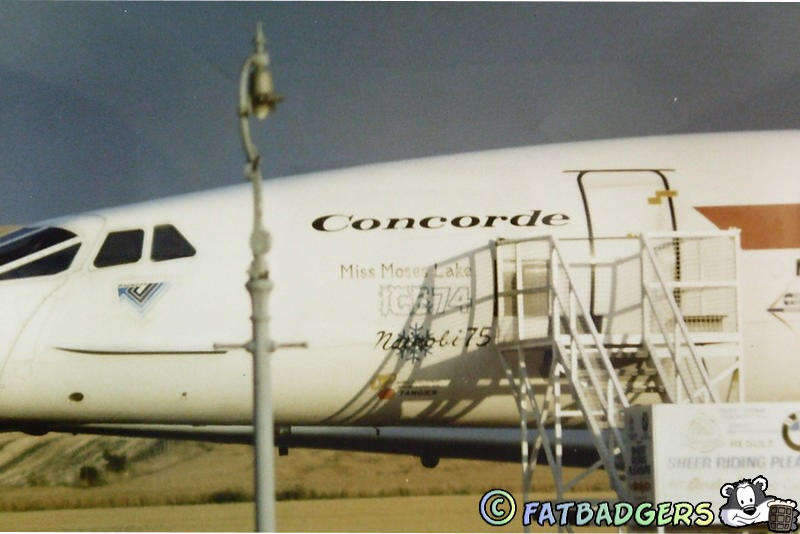
A joint British-French project, Concorde was a supersonic passenger airliner that symbolised the cutting edge of aviation technology. With a top speed of Mach 2.04, Concorde could cross the Atlantic in just over three hours. Although it was not a commercial success, Concorde remains an iconic symbol of British aviation innovation.British Aerospace 146 (1983):
The BAe 146 was a regional jet airliner known for its quiet operation and short take-off and landing capabilities. It was widely used by airlines for regional routes and also served in various military and government roles. British aircraft have had a profound impact on aviation history, with contributions ranging from pioneering designs in the early days of flight to advanced military and civilian aircraft in the modern era. The legacy of British aviation is marked by innovation, adaptability, and a commitment to pushing the boundaries of what is possible in the sky. Whether in combat, commercial flight, or exploration, British aircraft continue to play a vital role in global aviation.British helicopters
British helicopters have played a significant role in both military and civilian aviation, with the UK being a key contributor to the development and production of helicopters over the decades. Here is an overview of some of the most notable British helicopters:Early Development:
Westland Dragonfly (1948):
The Westland Dragonfly was one of the first British helicopters, developed by Westland Aircraft. It was based on the American Sikorsky S-51 and served primarily in search and rescue (SAR) roles with the Royal Navy and Royal Air Force (RAF).Bristol Sycamore (1947):
The Bristol Sycamore was the first British-designed helicopter to enter production and saw extensive use with the RAF in the 1950s and 1960s. It was primarily used for SAR, troop transport, and casualty evacuation. Cold War Era:Westland Whirlwind (1953):
The Westland Whirlwind was a British-built version of the American Sikorsky S-55/H-19 helicopter. It was widely used by the Royal Navy and RAF for various roles, including SAR, anti-submarine warfare (ASW), and transport.Westland Wessex (1958):
The Westland Wessex was a British development of the American Sikorsky H-34. It became one of the most important helicopters for the British military, serving in roles such as troop transport, SAR, and ASW. The Wessex was notably used during the Falklands War.Westland Scout and Wasp (1960s):
The Westland Scout and its naval variant, the Wasp, were light helicopters used by the British Army and Royal Navy, respectively. The Scout was primarily a reconnaissance and light utility helicopter, while the Wasp was designed for ASW and anti-surface warfare.Westland Sea King (1969):
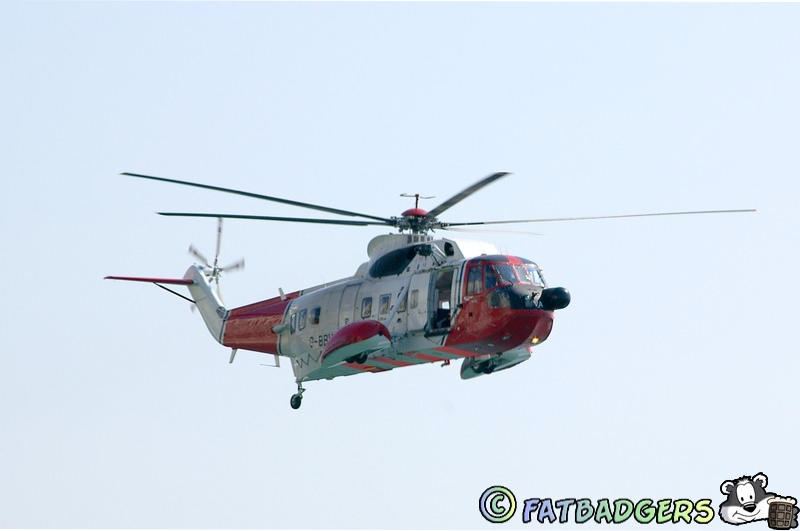
The Westland Sea King was a license-built version of the American Sikorsky S-61, but with significant British modifications. The Sea King became the mainstay of the Royal Navy's ASW fleet and also served in SAR roles. It played a critical role during the Falklands War and was also used by the RAF and other air forces around the world.Westland Lynx (1971):
The Westland Lynx was a versatile, high-speed military helicopter that served with both the British Army and Royal Navy. It was used for various roles, including anti-tank warfare, reconnaissance, and transport. The naval variant, the Lynx HAS.3, was particularly effective in ASW and anti-surface warfare roles. The Lynx set several world speed records for helicopters and was widely exported.Modern Era:
Westland Puma (1968):
The Westland Puma, originally developed by the French company Sud Aviation, was produced under license by Westland for the British military. The Puma is a medium-lift transport helicopter that has been used extensively by the RAF for troop transport, medical evacuation, and other support roles.Westland Gazelle (1973):
The Westland Gazelle, another helicopter produced under license from France's Aérospatiale, was a light utility helicopter used by the British Army and Royal Navy. It was employed for reconnaissance, communications, and light transport. The Gazelle was known for its agility and distinctive Fenestron tail rotor.AgustaWestland Apache (2004):
The AgustaWestland Apache is a British-built version of the American AH-64 Apache attack helicopter. The British version, known as the Apache AH1, was adapted for the needs of the British Army. It became a key component of the UK's attack helicopter fleet, used for close air support, anti-tank missions, and other combat roles. The Apache saw extensive service in Afghanistan and other conflict zones.Westland Merlin (1999):
The Westland Merlin, also known as the EH101, is a multi-role helicopter developed in collaboration between Westland and Italy's Agusta. It serves with the RAF, Royal Navy, and several other air forces around the world. The Merlin is known for its versatility and is used in roles such as transport, ASW, and SAR. The Merlin HC3 variant is used by the RAF, while the Royal Navy operates the Merlin HM2 for ASW and maritime patrol duties.Westland Wildcat (2014):
The Westland Wildcat, a development of the Lynx, is the latest multi-role helicopter in service with the British Army and Royal Navy. The Wildcat is designed for reconnaissance, transport, and light attack roles, and it features advanced avionics and weapons systems. The naval variant is equipped for ASW and anti-surface warfare.Civilian Helicopters:
Westland S-51 Dragonfly (1950s):
As mentioned earlier, the Westland Dragonfly was also used in civilian roles, particularly for medical evacuation and rescue services in the UK and abroad.Westland Widgeon (1955):
The Westland Widgeon was a civilian light helicopter developed from the earlier Westland-Sikorsky WS-51. It was used for various civilian applications, including transport and aerial survey work.Westland S-55 Whirlwind (1950s):
In addition to its military role, the Westland Whirlwind was also adapted for civilian use, particularly in offshore oil rig support and rescue operations. British helicopters have had a significant impact on both military and civilian aviation. From early pioneers like the Bristol Sycamore to modern multi-role platforms like the Merlin and Wildcat, British helicopters have served in a wide range of roles, from search and rescue to anti-submarine warfare and attack missions. The collaboration between British companies and international partners, as well as the adaptation of foreign designs for British needs, has resulted in a diverse and capable fleet of helicopters that continues to serve the UK and many other nations around the world.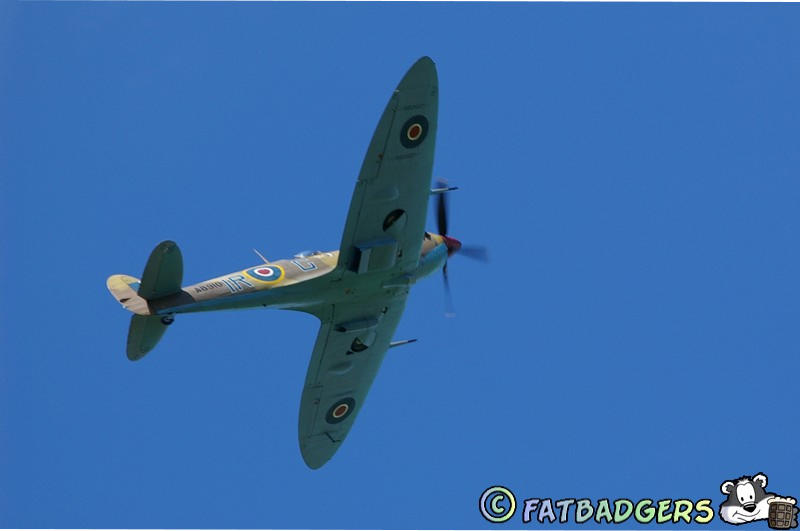




 Pubs
Pubs Open Map in New Window
 England
 Scotland
 Wales
Wales Ireland
 County Map
 About Britain
 Pubs
Pubs British Beer
 Perfect Pint
 Beer Glasses
 The Barren Years
 Real Fires
 Breweries
 Brewing
 British Food
 Recipes
 Pub Interiors
 Dog Friendly
 Pub Games
 Strange Pub Names
 Visitor Information
 Oldest Pub
 Pub Signs
 Micropubs
 Buildings
 Cathedrals
 Stately Homes
 Castles
 Listed Buildings
 Scheduled Monuments
 Oak Framing
 Architecture
 Thatching
 Waterways
 Sailing
 Shipbuilding
 Boatbuilding
  Shipping Forecast
 Britain's Coastline
 Coastal Locations
 Piers
Piers Lighthouses
 Harbours
 Beach Safety
 British Beaches
 Canals
 Rivers
 Islands
 Lakes
Lakes Waterfalls
 Historical
 Famous People
 Kings & Queens
 Kings of England
 History of Britain
 Industrial Revolution
 Act of Union
 Beaufort Scale
 British Firsts
 World Heritage Sites
 Historical Periods
 Historical Boundaries
 Tradition & Culture
 Morris Dancing
 Film & Television
 Television
 Calendar of Events
 British Sport
 Scottish Highlands
 Money
Money Dry Stone Walling
 British Wildlife
 Class System
 Geographical
 Pub Boundaries
 Facts 'n' Figures
 British Isles
 Other Areas
 Place Name Origins
 Topography
 Suggest an Inn
 Explanation of symbols
 Why Us?
 Places to Visit
 Long Distance Paths
 National Parks
 Areas of Outstanding Natural Beauty
 Coastal Locations
 Other areas of Britain
 Maps
Maps Our Favourite Locations
 Search
 Focus On...
 News
News Contact
 About Us
 Our History
 Donate