A pint and a crusty cob can make the perfect quick stop in a British pub, although it can lead you to be out out. *
British Breads
British bread has a rich history, shaped by regional variations, historical influences, and the diverse cultural landscape of the
UK.
Some would have you believe that a ‘cut loaf’ or supermarket sliced mass produced loaf of bread is the staple diet of most
Brits, nothing could be further from the truth!
Whilst the big supermarkets have
tried to dominate and push cheap
bread on to the public, a similar push
from those who fought against the
takeover of British breweries in the
1970’s which resulted in the
formation of CAMRA, happened with
bread making and there has been a
strong revival of small bakeries making specialist breads.
Those of us that fought against the massive conglomerates selling crap
beer by seeking out independent pubs and breweries were often the
same people refusing to buy a thin sliced loaf full of preservatives and no
taste.
Mass produced sliced bread of course has its place and can be better for
producing snacks such as ‘toasties’ or for a quick cheese on toast when
the only bread you have in, is in the freezer.
Types of British Bread
Sourdough:
A type of bread made by fermenting dough using naturally occurring lactobacilli and yeast. It's gained popularity in the UK in recent years for its tangy flavour and chewy texture.Bloomer:
A traditional British loaf with a thick, crisp crust and soft interior. The loaf is characterised by diagonal slashes on top and is often baked in a long, oval shape.Cottage Loaf:
A traditional English bread made from two rounds of dough, one stacked on top of the other, with the upper round being smaller. It has a distinctive, rustic appearance.Scottish Bap:
A soft, round bread roll with a floury top, commonly found in Scotland. It’s slightly flatter than other rolls and is often used for breakfast sandwiches.Hovis Loaf:
Hovis is a well-known British brand that produces wholemeal and granary breads. The name "Hovis" has become synonymous with high-quality, traditional British bread.Coburg:
A round loaf of bread with a thick crust, traditionally marked with four slashes to create a cross on the top.Stottie Cake:
A heavy, round flatbread originating from the North East of England, particularly in Newcastle. It's often used for making sandwiches and has a dense, chewy texture.Brown Bread:
Refers to bread made from wholemeal flour, often slightly sweeter and denser than white bread, and a staple in many British households.Bara Brith:
A Welsh bread made with dried fruits, tea, and spices, often referred to as "speckled bread." It's usually served sliced and buttered.Barmbrack:
An Irish bread similar to bara brith, often associated with Halloween and served as a sweet, fruit-filled loaf.Historical Influence
Roman Influence:
The Romans introduced bread-making techniques to Britain, including the use of leavening agents. Before this, the Celts primarily made flatbreads.Medieval Bread:
In medieval Britain, bread was a staple food, with different types of bread indicating social status. White bread (known as "manchet") was consumed by the wealthy, while coarse brown bread was eaten by the poor.Industrial Revolution:
The advent of milling technology during the Industrial Revolution led to the mass production of white bread. This era also saw the rise of bakeries and the commercialization of bread-making.Cultural Significance
Symbol of Sustenance:
Bread has long been considered a symbol of sustenance and life in British culture. Phrases like "breaking bread" signify sharing and community.Rationing during Wartime:
During World War II, bread was heavily rationed, and the National Loaf, a wholemeal bread, was introduced to ensure that everyone had access to sufficient nutrition. Though not popular for its taste, it played a crucial role in feeding the nation.Tea Time and Sandwiches:
Bread is central to the British tradition of afternoon tea, where it is used for delicate sandwiches. It also plays a key role in the "Full English Breakfast," often served as toast.Artisan Bread Movement:
In recent years, there has been a resurgence in artisan bread-making in the UK, with a focus on traditional methods, local ingredients, and unique flavors.Regional Varieties:
Soda Bread:
Though more commonly associated with Ireland, soda bread is also popular in Northern Ireland and some parts of Scotland. It's made without yeast, using baking soda as a leavening agent.Bara Brith and Barmbrack:
As mentioned, these fruit breads are popular in Wales and Ireland, respectively, reflecting the regional preferences for sweetened breads.Scottish Oatcakes:
While technically more of a biscuit, oatcakes are a traditional Scottish bread made from oats and often served with cheese.Modern Trends
Health and Wholegrains:
There’s an increasing trend towards healthier bread options, with wholegrain, rye, and seeded breads becoming more popular.Gluten-Free Options:
With rising awareness of gluten intolerance and celiac disease, gluten-free bread varieties have also become widely available in the UK.Artisan Bakeries:
The artisan bakery movement has brought a renewed interest in traditional bread-making techniques, with many bakeries now offering hand-crafted loaves made from sourdough, spelt, and other ancient grains. British bread is more than just a staple food; it's a reflection of the country’s history, culture, and regional diversity. From traditional loaves like the cottage loaf to the modern artisan breads, the variety and richness of British bread continue to evolve while retaining deep-rooted connections to the past.Bread Rolls
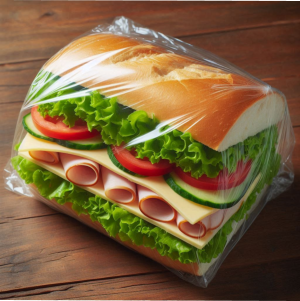
In the UK, bread rolls are known by many different names depending on the region. This makes for interesting discussion with the Fat Badgers at board meetings as we all originate from different parts of the UK and a meeting over lunch in a hostelry that serves a great pint of ale and some excellent crusty cobs can create a long discussion. It’s bad enough that some of the team think there should be a big creamy head on top of a pint of ale but one of our number originates from New Zealand and seems to think they should be called Baked Bread Rolls Baps - might as well stick the other twelve names in there as well. We have another part time Badger who we don’t allow a vote on anything as he was born in Glasgow, went to school in Darlington but has spent all his working life in Birmingham so we can’t even understand a lot of what he says and although one of his nicknames is actually Stottie, he has been heard to use the terms Bap, Bun, Cob, Roll and Stottie. In fact he spends half of his time on holiday, frequently in Portugal and usually drinks lager or girly cocktails with umbrellas in so we take everything he says with a pinch of salt - that bit that we can understand. However, there are many great pubs in the UK who specialise mostly in providing a range of top quality ales so they don’t tend to do hot meals - many of those will however have a selection of freshly prepared cobs on or behind the bar. Typical fillings consist of Beef, Ham or Cheese and some might even pop a slice of onion in there for good luck - you may be offered a go with the mustard jar. More adventurous establishments might might go all exotic and add things like black pudding but if you’re looking to have some avocado on your roll, you’ll probably have to try a London pub. These are some of the names used although not necessarily all as we don’t know what they call them in Rutland. • OUT OUT For those that don’t understand the meaning of Out Out, a quick google for comedian Micky Flanagan will explain - but it does involve a bit of swearing and a ‘cut loaf’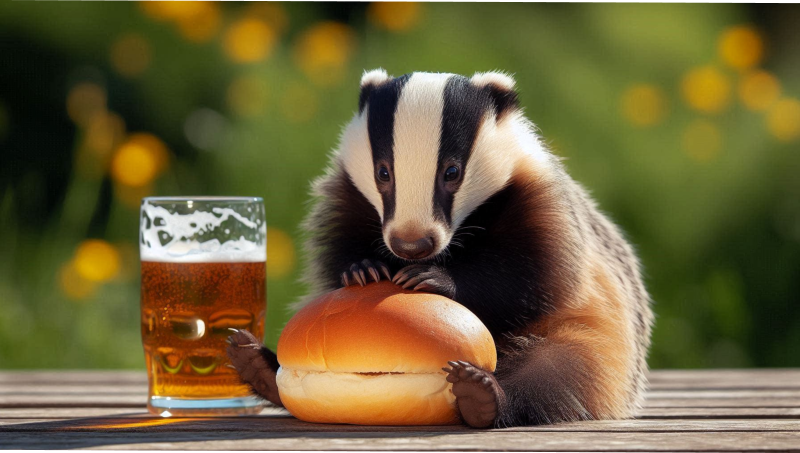

Bap
Barm (or
Barmcake)
Batch
Bread Cake
Bun
Cob
Morning Roll
Common in Scotland,
Northern Ireland, and
parts of Northern
England. It's usually a
soft, round bread roll.
Also used sometimes
in Devon, Dorset and
Cornwall.
Predominantly used
in the North West of
England, particularly
around Manchester
and Liverpool. It's a
soft, flat bread roll.
Common in Coventry
and parts of the West
Midlands and
Warwickshire. A
batch is usually a
larger, flat bread roll.
Often heard in
Yorkshire, particularly
around Sheffield and
Leeds. It refers to a
soft, round bread roll.
Used in the North
East of England,
particularly in
Newcastle and
Sunderland, and
sometimes in
Scotland. "Bun" can
also refer to sweet
baked goods, but in
this context, it's a
plain bread roll.
Used in the Midlands,
especially in
Nottingham,
Leicester, and Derby.
It refers to a round
bread roll. Often
called a crusty cob as
they tend to have a
harder outer edge.
The morning roll is an
airy, chewy bread roll
popular in Scotland.
The well-fired roll is
given a stronger
flavour in its bulk
fermentation and
baked at a higher
temperature, and has
a dark crust
Muffin
Oven Bottom
Roll
Scuffler
Stottie
Teacake
Vienna
In some areas,
particularly in Greater
Manchester, "muffin"
refers to a bread roll,
not to be confused
with the English
muffin.
The oven bottom
muffin has a distinct
provenance and a
place in social history.
They're often referred
to as 'Lancashire
Bread Buns'.
It's believed that the
first roll was created
in the south east of
England in 1581.
Bakers in different
towns and cities used
to name their bread
rolls according to how
they made the dough.
Probably the most
common term used in
the UK.
A scuffler is from
Yorkshire originating
from the Castleford
area meaning a large
bread cake. This
bread is always
baked in rounds, and
scored so it can be
torn into a roughly
triangular shape once
baked. It is similar to
the Northumbrian
stottie, but lighter.
A specific type of
bread roll common in
the North East of
England, especially
around Newcastle.
It's thicker and
denser, often used for
sandwiches.
In some parts of
Yorkshire, mainly
West Yorkshire a
teacake refers to a
bread roll, but
elsewhere, it might
refer to a sweet bun
with currants or
sultanas. Also
sometimes used in
Lancashire &
Cumbria
Less common, but in
some parts of
Scotland and
Northern Ireland, a
"Vienna" might refer
to a particular type of
long, crusty bread
roll.




 Pubs
Pubs Open Map in New Window
 England
 Scotland
 Wales
Wales Ireland
 County Map
 About Britain
 Pubs
Pubs British Beer
 Perfect Pint
 Beer Glasses
 The Barren Years
 Real Fires
 Breweries
 Brewing
 British Food
 Recipes
 Pub Interiors
 Dog Friendly
 Pub Games
 Strange Pub Names
 Visitor Information
 Oldest Pub
 Pub Signs
 Micropubs
 Buildings
 Cathedrals
 Stately Homes
 Castles
 Listed Buildings
 Scheduled Monuments
 Oak Framing
 Architecture
 Thatching
 Waterways
 Sailing
 Shipbuilding
 Boatbuilding
  Shipping Forecast
 Britain's Coastline
 Coastal Locations
 Piers
Piers Lighthouses
 Harbours
 Beach Safety
 British Beaches
 Canals
 Rivers
 Islands
 Lakes
Lakes Waterfalls
 Historical
 Famous People
 Kings & Queens
 Kings of England
 History of Britain
 Industrial Revolution
 Act of Union
 Beaufort Scale
 British Firsts
 World Heritage Sites
 Historical Periods
 Historical Boundaries
 Tradition & Culture
 Morris Dancing
 Film & Television
 Television
 Calendar of Events
 British Sport
 Scottish Highlands
 Money
Money Dry Stone Walling
 British Wildlife
 Class System
 Geographical
 Pub Boundaries
 Facts 'n' Figures
 British Isles
 Other Areas
 Place Name Origins
 Topography
 Suggest an Inn
 Explanation of symbols
 Why Us?
 Places to Visit
 Long Distance Paths
 National Parks
 Areas of Outstanding Natural Beauty
 Coastal Locations
 Other areas of Britain
 Maps
Maps Our Favourite Locations
 Search
 Focus On...
 News
News Contact
 About Us
 Our History
 Donate