Brewpubs
A brewpub is a unique type of establishment that combines the functions of a brewery with those of a pub or restaurant. The defining characteristic of a
brewpub is that it brews its own beer on-site, primarily for sale and consumption within the establishment itself.
The history of brewpubs in the UK is a fascinating journey that
intertwines with broader trends in British brewing, from ancient
traditions to the modern craft beer revolution.
Ancient Roots and the Decline of Small Brewers
(Pre-20th Century):
For much of British history, the concept of a "brewpub" in a more informal sense was the norm. Before the rise of large commercial breweries, most beer was brewed on a small scale, often in domestic settings, alehouses, or even country houses. Women, known as "alewives" or "brewsters," frequently brewed and sold beer from their homes, placing an "ale-wand" outside to signal that beer was available. The Beer Act of 1830, while aimed at making beer more affordable, led to a proliferation of "beer houses" where anyone with a license could brew and sell beer on-site. However, these often struggled to compete with the emerging larger commercial brewers due to inconsistent quality and equipment. During the Industrial Revolution many brewpubs were created with small conurbations boasting dozens of pubs as the workers needed refreshment and the ale was generally safer to drink than water. Places such as coal mining areas, nail making, iron making and farming all had a brewpub where they could get refreshment The 19th century saw the gradual industrialisation of brewing. Larger breweries like Bass, Whitbread, and Guinness emerged, driven by steam engines and scientific advancements. This led to a significant consolidation of the industry, with thousands of smaller, local breweries being absorbed or closing down. By the mid-20th century, the UK brewing landscape was dominated by a handful of "Big Six" conglomerates, leading to a homogenisation of beer styles and a decline in traditional cask ale. Brewpubs were decimated by the 1970’s leaving just four remaining alehouses.The CAMRA Movement and the Rebirth of Real Ale (1970s onwards):
The decline in beer diversity and quality prompted a strong consumer backlash. In 1971, the Campaign for Real Ale (CAMRA) was founded by four beer enthusiasts. CAMRA's primary mission was to protect and promote traditional cask-conditioned ale and pub culture. While not directly focused on brewpubs at first, their efforts created a demand for more flavourful, traditionally brewed beers and fostered an environment ripe for smaller, independent breweries to emerge.The First Modern Microbreweries and Brewpubs
(1960s-1980s):
While not always explicitly called "brewpubs" at the very beginning, the seeds of the modern UK brewpub were sown in the 1960s and 70s: • Traquair House (1965): Often cited as the first of the "modern" UK microbreweries, brewing at Traquair House in Scotland re-started in 1965 after the then Laird discovered old brewing equipment. It initially sold beer on-site and then expanded to wider distribution. • The Miners' Arms, Priddy (1973): This Somerset pub is often credited as the first "new" microbrewery established in a new location, with the owner brewing small batches of beer to be sold alongside meals. This really aligns with the spirit of a brewpub. • Other Early Pioneers: Throughout the 1970s and 80s, a number of other small breweries, often founded by individuals made redundant from larger breweries or homebrew enthusiasts (homebrewing became legal in 1963), began to emerge. Some of these would have had an on-site sales component, effectively operating as early brewpubs.The Craft Beer Revolution and Brewpub Boom (Late 1990s - Present):
The late 1990s and particularly the 2000s saw a significant acceleration of the "craft beer revolution" in the UK, heavily influenced by the vibrant scene in the United States. This era marked a true boom for brewpubs: • Experimentation and Diversity: Brewers began to move beyond traditional British ale styles, embracing new hop varieties (especially American ones), experimenting with different yeasts, and brewing a wider range of styles including IPAs, stouts, sours, and lagers. • Direct-to-Consumer Model: The brewpub model, allowing direct sales and a closer connection with customers, proved incredibly popular. It allowed brewers to showcase their innovative beers without the complexities and costs of large-scale distribution. • Changing Consumer Preferences: There was a growing consumer demand for authenticity, local products, and unique flavour experiences, which brewpubs were perfectly positioned to fulfil. • Tax Breaks (2002): The introduction of a tax break in 2002, allowing breweries producing less than 5,000 hectolitres to pay 50% less beer duty, further stimulated the growth of microbreweries and brewpubs. • Proliferation: From fewer than 500 breweries at the start of the millennium, the number surged to over 2,000 by 2020. Many of these new openings were brewpubs or microbreweries with significant on-site taprooms and food offerings. Today, UK brewpubs are a thriving part of the hospitality and brewing industry. They offer a diverse range of beers, often alongside high-quality food, and provide a vital community hub. The history demonstrates a cyclical return to the roots of brewing – local, small-scale, and directly connected to the consumer, albeit with modern equipment and a much wider array of beer styles.Key Characteristics:
• On-site Brewing: The most important feature is that the beer served is brewed right there on the premises. This allows for extreme freshness and often a direct connection for customers to the brewing process, sometimes even being able to see the brewing equipment. • Direct-to-Consumer Sales: Brewpubs bypass the traditional three-tier distribution system (brewer to wholesaler to retailer) for a significant portion of their sales, selling directly to customers at their location. They may also offer beer for takeaway (e.g., in growlers or cans) and, depending on local regulations, may distribute some of their beer off-site. • Atmosphere: Brewpubs often cultivate a casual, relaxed and community-focused atmosphere. The presence of brewing equipment can contribute to an industrial yet cosy ambiance. • Variety and Experimentation: Because they brew on a smaller scale, brewpubs often have the flexibility to experiment with different beer styles, offer seasonal brews, and create unique, limited-edition batches that wouldn't be feasible for larger commercial breweries.History and Evolution:
While the modern concept of the brewpub gained prominence in the late 20th century, particularly with the rise of the craft beer movement in the US and UK in the 1970s and 80s, the idea of serving and selling beer where it's brewed is an ancient one. Historically, inns, taverns, monasteries, and even farmhouses often brewed their own beer for their patrons or residents.Brewpub vs. Other Brewery Types:
It's common to confuse brewpubs with other terms in the brewing industry: • Brewery: A general term for a facility that produces beer. Breweries can range from massive industrial operations to small craft breweries. • Microbrewery: Typically refers to a brewery that produces a relatively small amount of beer annually. A microbrewery may or may not have an on-site pub or taproom, and often distributes a large portion of its beer off-site. • Taproom (or Tasting Room): A facility primarily focused on showcasing and serving a brewery's beer on-site. While they sell beer directly to consumers, they usually don't offer the extensive food service found in a brewpub. • Gastropub: A pub that focuses heavily on high-quality, often gourmet, food, but doesn't usually brew its own beer.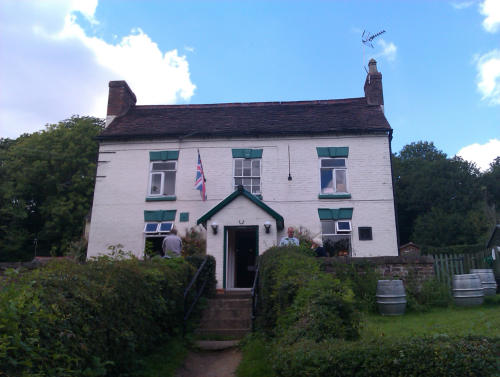

 Pubs
Pubs Open Map in New Window
 England
 Scotland
 Wales
Wales Ireland
 County Map
 About Britain
 Pubs
Pubs British Beer
 Perfect Pint
 Beer Glasses
 The Barren Years
 Real Fires
 Breweries
 Brewing
 British Food
 Recipes
 Pub Interiors
 Dog Friendly
 Pub Games
 Strange Pub Names
 Visitor Information
 Oldest Pub
 Pub Signs
 Micropubs
 Buildings
 Cathedrals
 Stately Homes
 Castles
 Listed Buildings
 Scheduled Monuments
 Oak Framing
 Architecture
 Thatching
 Waterways
 Sailing
 Shipbuilding
 Boatbuilding
  Shipping Forecast
 Britain's Coastline
 Coastal Locations
 Piers
Piers Lighthouses
 Harbours
 Beach Safety
 British Beaches
 Canals
 Rivers
 Islands
 Lakes
Lakes Waterfalls
 Historical
 Famous People
 Kings & Queens
 Kings of England
 History of Britain
 Industrial Revolution
 Act of Union
 Beaufort Scale
 British Firsts
 World Heritage Sites
 Historical Periods
 Historical Boundaries
 Tradition & Culture
 Morris Dancing
 Film & Television
 Television
 Calendar of Events
 British Sport
 Scottish Highlands
 Money
Money Dry Stone Walling
 British Wildlife
 Class System
 Geographical
 Pub Boundaries
 Facts 'n' Figures
 British Isles
 Other Areas
 Place Name Origins
 Topography
 Suggest an Inn
 Explanation of symbols
 Why Us?
 Places to Visit
 Long Distance Paths
 National Parks
 Areas of Outstanding Natural Beauty
 Coastal Locations
 Other areas of Britain
 Maps
Maps Our Favourite Locations
 Search
 Focus On...
 News
News Contact
 About Us
 Our History
 Donate