Glen Coe is a glen of volcanic origins, in the Highlands of Scotland. It lies in the north of the county of Argyll,
close to the border with the historic province of Lochaber, within the modern council area of Highland. Glen
Coe is renowned for its dramatic landscapes, rich history, and outdoor activities.
A 2010 review by Scottish Natural Heritage into the special qualities of Scotland's National scenic areas
listed the "soaring, dramatic splendour of Glen Coe", and "the suddenness of the transition between high
mountain pass and the lightly wooded strath" as being of note. The review also described the journey
through the glen on the main A82 road as "one of the classic Highland journeys". The main settlement is the
village of Glencoe located at the foot of the glen.
On 13 February 1692, in the aftermath of the Jacobite uprising of 1689, an incident known as the Massacre
of Glencoe took place in the glen. Thirty-eight men from Clan MacDonald of Glencoe were killed by
government forces who were billeted with them on the grounds that they had not been prompt in pledging
allegiance to the new monarchs, William and Mary.
The Glen is named after the River Coe which runs through it. The name of the river may predate the Gaelic
language, as its meaning is not known.
Geography and Landscape
Location:
Glencoe is located in the Lochaber region of the Highlands, within the county of Argyll. The valley lies near the small village of Glencoe, which serves as a popular base for visitors.Terrain:
The valley is characterised by its steep-sided mountains and narrow glen, with the River Coe running through it. Prominent peaks include the Buachaille Etive Mòr and the Three Sisters of Glencoe.Scenic Beauty:
Glencoe is part of the Lochaber Geopark, known for its stunning scenery, rugged terrain, and dramatic vistas, making it a favourite destination for hikers, climbers, and photographers.History
Clan MacDonald Massacre:
One of the most infamous events in Glencoe's history is the massacre of Clan MacDonald by government forces in 1692. The massacre was part of a wider effort to suppress the Highland clans who were seen as a threat to the ruling authorities.Historical Significance:
The event is remembered for its brutality and has become a symbol of the often turbulent relationship between the Scottish clans and the British government.Outdoor Activities
Hiking and Climbing:
Glencoe offers numerous hiking trails and climbing routes, ranging from moderate walks to challenging scrambles and climbs. The Aonach Eagach ridge is one of the most famous and difficult ridge walks in the UK.Skiing and Snowboarding:
In winter, the nearby Glencoe Mountain Resort provides opportunities for skiing and snowboarding.Wildlife Watching:
The area is home to diverse wildlife, including red deer, golden eagles, and various bird species, making it a great spot for wildlife enthusiasts.Cultural Significance
Films and Literature:
Glencoe has been featured in various films and TV shows, such as the James Bond movie "Skyfall" and the "Harry Potter" series, which have further popularised its iconic landscapes.Visitor Center:
The Glencoe Visitor Centre, operated by the National Trust for Scotland, provides information about the area's history, geology, and wildlife, and offers exhibits and educational programs.Accessibility
Transport:
Glencoe is accessible by road, with the A82 highway running through the valley. It is a popular stop for tourists travelling between the cities of Glasgow and Fort William.Accommodation:
The region offers a range of accommodation options, including hotels, B&Bs, and campsites, catering to different types of travellers. We highly recommend the Clachaig Inn - one of our favourite inns in the whole of the British Isles - it has everything! Great ales, great food, great hospitality, great accommodation and the views oh the views!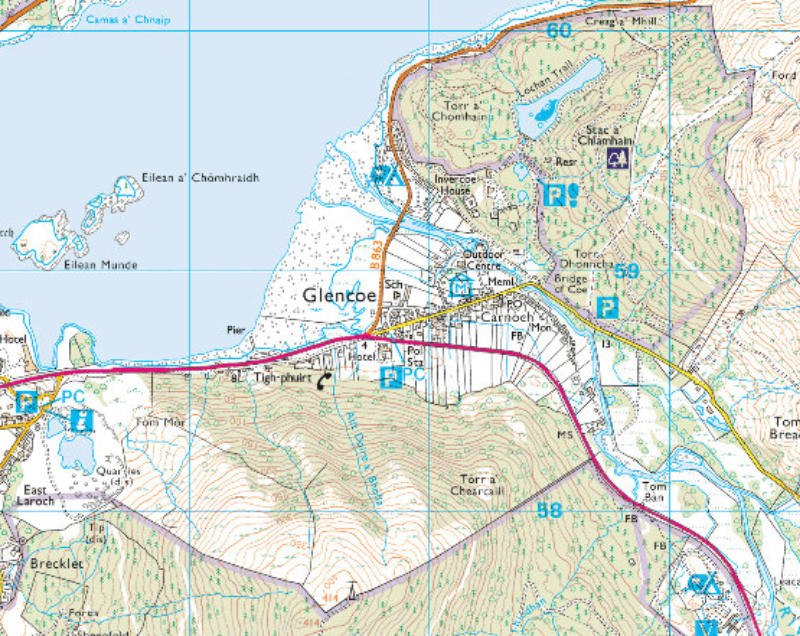
Glencoe, Scottish Highlands


Superb area with stunning scenery.

Focus On... Map
Aberdovey, Wales
Black Country, England
Boscastle, England
Bucklers Hard, England
Cowes, England
Edinburgh, Scotland
Glencoe, Scotland
Gower, Wales
Grasmere, England
Henley-on-Thames, England
Highlands, Scotland
Ironbridge, England
Lake District, England
Liverpool, England
Ludlow, England
Nottingham, England
Oxford, England
Polperro, England
Isle of Purbeck, England
Potteries, England
Salcombe England
Shrewsbury England
Stratford-upon-Avon, England
Windsor & Eton, England
Yarmouth, England
 Pubs
 Open Map in New Window
 England
 Scotland
 Wales
 Ireland
 County Map
 About Britain
 Pubs
 British Beer
 Perfect Pint
 Beer Glasses
 The Barren Years
 Real Fires
 Breweries
 Brewing
 British Food
 Recipes
 Pub Interiors
 Dog Friendly
 Pub Games
 Strange Pub Names
 Visitor Information
 Oldest Pub
 Pub Signs
 Micropubs
 Buildings
 Cathedrals
 Stately Homes
 Castles
 Listed Buildings
 Scheduled Monuments
 Oak Framing
 Architecture
 Thatching
 Waterways
 Sailing
 Shipbuilding
 Boatbuilding
 Shipping Forecast
 Britain's Coastline
 Coastal Locations
 Piers
 Lighthouses
 Harbours
 Beach Safety
 British Beaches
 Canals
 Rivers
 Islands
 Lakes
 Waterfalls
 Historical
 Famous People
 Kings & Queens
 Kings of England
 History of Britain
 Industrial Revolution
 Act of Union
 Beaufort Scale
 British Firsts
 World Heritage Sites
 Historical Periods
 Historical Boundaries
 Tradition & Culture
 Morris Dancing
 Film & Television
 Television
 Calendar of Events
 British Sport
 Scottish Highlands
 Money
 Dry Stone Walling
 British Wildlife
 Class System
 Geographical
 Pub Boundaries
 Facts 'n' Figures
 British Isles
 Other Areas
 Place Name Origins
 Topography
 Suggest an Inn
 Explanation of symbols
 Why Us?
 Places to Visit
 Long Distance Paths
 National Parks
 Areas of Outstanding Natural Beauty
 Coastal Locations
 Other areas of Britain
 Maps
 Our Favourite Locations
 Search
 Focus On...
 News
 Contact
 About Us
 Our History
 Donate
