Crunchy Scottish biscuits or Staffordshire pancakes.
Oatcakes
Oatcakes are a type of flatbread or cracker made primarily from oats, a staple grain in many parts of the
world, particularly in Scotland and parts of England. They have a long history and can be found in various
forms, each with its own regional twist.
Due to the climate and poor soils, it was much easier to grow oats in Derbyshire and Staffordshire than wheat.
Oats and oatmeal replaced wheat in much of the bakery before the age of transportation.
Ingredients and Basic Preparation
Main Ingredients:
Oatcakes are made from oats, which can be used in the form of oatmeal (coarsely ground oats) or oat flour. Other typical ingredients include water, salt, and sometimes fat (like butter or lard). In some recipes, a leavening agent like baking soda might be added to create a lighter texture.Preparation:
The ingredients are mixed into a dough, which is then rolled out and cut into rounds or other shapes. The dough is either baked on a griddle or in an oven until it’s crisp.Types and Variations
Scottish Oatcakes:
These are perhaps the most famous type, traditionally baked on a griddle or in an oven. Scottish oatcakes are often round, crumbly, and can be soft or crispy depending on the recipe. They are usually savoury and enjoyed with cheese, butter, or smoked fish.Staffordshire Oatcakes:
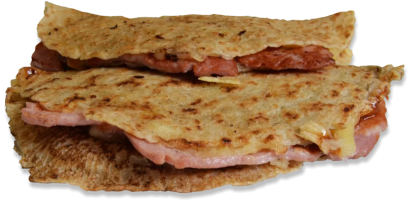
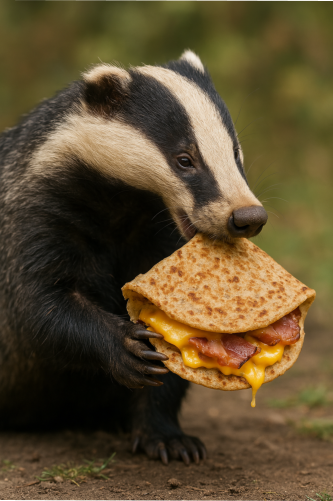
Unlike their Scottish counterparts, these are softer and more like pancakes. The oats give the oatcakes a distinctive texture and nutty flavour. The mixture is left to rise, which helps to create a light, airy texture. Once the batter has risen, it’s cooked on a griddle or in a frying pan. They are made with a yeast-raised batter and are commonly served with savoury fillings like bacon, cheese, and sausage. Staffordshire oatcakes are soft and slightly chewy with a mild, nutty taste from the oats. They’re usually thinner and more pliable than traditional pancakes or flatbreads.They’re often enjoyed as part of a traditional English breakfast or as a snack.
Derbyshire Oatcakes:
Very similar to Staffordshire Oatcakes but usually thicker. Both counties will claim that theirs are much better. They are made with a yeast-raised batter of oatmeal and flour and are commonly served with savoury fillings like bacon, cheese, and sausage. Both Staffordshire and Derbyshire oatcakes can be frozen, usually separated by foil or cling film so that they can be individually thawed.Welsh Oatcakes:
Similar to Scottish oatcakes but sometimes sweeter, with recipes that might include sugar or treacle.Flavour and Texture
Flavour:
Oatcakes have a mild, slightly nutty flavour due to the oats. They are often lightly salted but can also be made with added sweeteners for a different taste.Texture:
The texture can vary from soft and chewy to crisp and crunchy, depending on how they’re made. Scottish oatcakes are typically more crumbly, while Staffordshire oatcakes are soft and pliable.Uses and Serving Suggestions
Savoury:
Scottish Oatcakes are often paired with cheese, smoked fish, or served as an accompaniment to soups and stews. They’re a common component of a traditional Scottish breakfast. Staffordshire & Derbyshire oatcakes are usually filled with a savoury filling such as those used in a traditional English breakfast such as bacon, sausage, mushrooms and melted cheese.Sweet:
In some regions, oatcakes are enjoyed with butter and jam, or honey. They can also be crumbled over yogurt or used as a base for desserts.As a Snack:
They are popular as a healthy snack, given their high fibre content, and are often eaten on their own or with spreads.Cultural and Historical Significance
Oatcakes have been a staple food in Scotland for centuries, providing a nutritious and portable food source for travellers and workers. They were historically made on open hearths and were a key part of the diet in rural areas where oats were one of the few grains that grew well in the local climate. In Staffordshire, oatcakes have been a traditional food for at least several hundred years, originally baked by families at home and later becoming a popular item sold in shops and bakeries.Nutritional Value
High in Fibre:
Oats are rich in dietary fibre, particularly beta-glucan, which is known to help reduce cholesterol levels.Low in Fat:
Oatcakes are typically low in fat, especially if made without added fat.Complex Carbohydrates:
They provide a good source of slow-release energy, making them a sustaining food.Modern-Day Usage
Oatcakes have seen a resurgence in popularity due to their health benefits and versatility. They’re often marketed as a healthy snack and are found in supermarkets worldwide, sometimes with added flavours or ingredients like seeds and herbs. Oatcakes are a versatile and nutritious food that has stood the test of time, maintaining its place in both traditional and modern diets. They’re a great example of regional British cuisine, offering a taste of local history and tradition. the historical practices of fish preservation and preparation. Staffordshire & Derbyshire oatcakes are usually bought from specialist shops where most are cooked on the premises while you wait and usually served ready to eat. They also sell pre-packaged batches (cooked that morning) which can be frozen. If you fancy trying the North Staffordshire delicacy here are a few places you can buy them: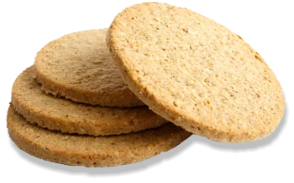



 Pubs
 Open Map in New Window
 England
 Scotland
 Wales
 Ireland
 County Map
 About Britain
 Pubs
 British Beer
 Perfect Pint
 Beer Glasses
 The Barren Years
 Real Fires
 Breweries
 Brewing
 British Food
 Recipes
 Pub Interiors
 Dog Friendly
 Pub Games
 Strange Pub Names
 Visitor Information
 Oldest Pub
 Pub Signs
 Micropubs
 Buildings
 Cathedrals
 Stately Homes
 Castles
 Listed Buildings
 Scheduled Monuments
 Oak Framing
 Architecture
 Thatching
 Waterways
 Sailing
 Shipbuilding
 Boatbuilding
 Shipping Forecast
 Britain's Coastline
 Coastal Locations
 Piers
 Lighthouses
 Harbours
 Beach Safety
 British Beaches
 Canals
 Rivers
 Islands
 Lakes
 Waterfalls
 Historical
 Famous People
 Kings & Queens
 Kings of England
 History of Britain
 Industrial Revolution
 Act of Union
 Beaufort Scale
 British Firsts
 World Heritage Sites
 Historical Periods
 Historical Boundaries
 Tradition & Culture
 Morris Dancing
 Film & Television
 Television
 Calendar of Events
 British Sport
 Scottish Highlands
 Money
 Dry Stone Walling
 British Wildlife
 Class System
 Geographical
 Pub Boundaries
 Facts 'n' Figures
 British Isles
 Other Areas
 Place Name Origins
 Topography
 Suggest an Inn
 Explanation of symbols
 Why Us?
 Places to Visit
 Long Distance Paths
 National Parks
 Areas of Outstanding Natural Beauty
 Coastal Locations
 Other areas of Britain
 Maps
 Our Favourite Locations
 Search
 Focus On...
 News
 Contact
 About Us
 Our History
 Donate
