A refreshing alternative to Headbanger XXX
English Tea
English tea refers to the tradition and variety of tea enjoyed in England,
which is deeply ingrained in British culture.
Whether it’s chimpanzees trying to get a piano downstairs or Lewis
Carroll’s depiction of Alice sitting around a table in the forest Tea is as
synonymous with British culture as talking about the weather.
However it wasn’t until King Charles II of England in 1662 married
Catherine Braganza of Portugal that tea drinking became popular when
she smuggled a packet of tea in her hand luggage (under her copy of os
tempos da rádio)
Before then only royalty were drinking tea as the peasants were drinking
rain puddles which were full of cholera or beer, which was much nicer.
By the 1700s, tea had become extremely expensive due to the high tax
levels imposed by the government and the East India Company also
monopolising the import of tea.
Types of Tea:
Black Tea:
The most common type, often enjoyed with milk and sometimes sugar. Popular blends include English Breakfast, Earl Grey, and Assam.Green Tea:
Less common than black tea but appreciated for its lighter flavour and health benefits.Herbal Tea:
Often consumed for its medicinal properties and diverse flavours. By the time Queen Victoria was in charge of the throne, taking tea, sandwiches and cake in the afternoon became a popular thing to do as television hadn’t been invented so there was nothing to do for ‘Ladies that Leisure’Tea Drinking Traditions:
Afternoon Tea:
A light meal typically served between 3:30 and 5 PM, featuring finger sandwiches, scones with clotted cream and jam, and a variety of pastries. Accompanied by a pot of tea.High Tea:
Originally a working-class meal served at the end of the workday, including more substantial fare like meats, bread, and vegetables, along with tea.Cream Tea:
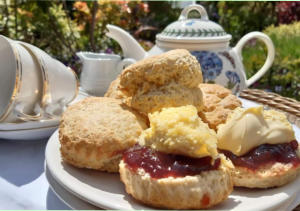
A simpler version of afternoon tea, consisting of scones, clotted cream, jam and tea. Cream tea is particularly fantastic and often taken on holiday in the summer when the weather is lovely and you can sit outside a lovely cafe taking in the view an arguing about weather the jam or cream goes on first. If you’re in Cornwall they’ll tell you jam first but in Devon it’s cream first however every Fat Badger will tell you it’s jam first so that when you bite in, you get a dollop of gorgeous clotted cream on your nose which you can then spend some time licking it off.Tea Preparation:
Brewing:
Traditionally, black tea is brewed using boiling water and steeped for 3-5 minutes. Loose leaves or tea bags can be used.Serving:
Often served in a teapot, poured into cups, and commonly enjoyed with milk and sugar. Lemon may be offered, especially with Earl Grey.Etiquette:
Pouring Tea:
The host pours the tea, offering it to guests before serving themselves.Milk First or Last:
There is a debate over whether to add milk to the cup before or after the tea, though adding it last is more traditional and allows for better control of the tea’s strength.Cultural Significance:
Tea has been an integral part of British life since its introduction in the 17th century, evolving from a luxury item to an everyday staple. The ritual of tea drinking symbolizes hospitality and social interaction. Posh people might like to take their tea with lemon or honey, weak people like to have weak milky tea with sugar but most sensible people opt for ‘Builders Tea’ - strong and refreshing setting you up for a full day laying bricks. What can be more English than stopping halfway through a sporting competition to sit down and have a nice bit of tea. In international cricket matches nobody knows what they have on their sandwiches because they disappear inside a ‘pavilion’ to secretly eat their special ‘tea’Popular Brands:
• Twinings: Known for a wide range of traditional blends. • PG Tips: Popular for its strong, everyday tea. • Yorkshire Tea: Valued for its robust flavour, particularly in Northern England. Understanding these elements gives insight into why tea is not just a beverage in England, but a significant cultural symbol.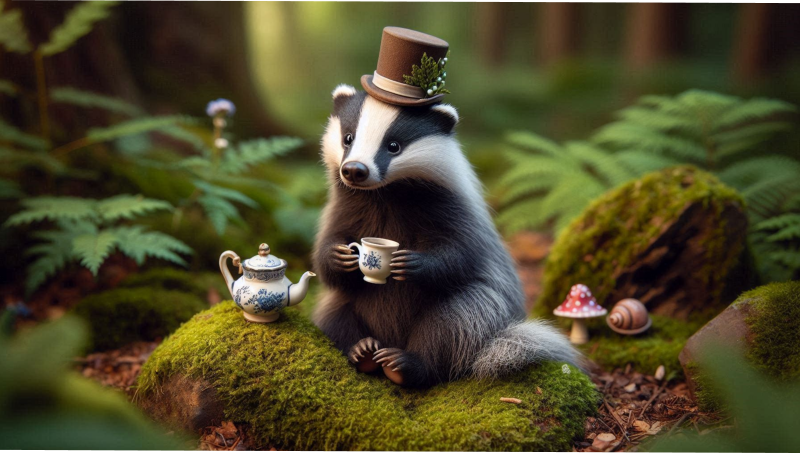



 Pubs
Pubs Open Map in New Window
 England
 Scotland
 Wales
Wales Ireland
 County Map
 About Britain
 Pubs
Pubs British Beer
 Perfect Pint
 Beer Glasses
 The Barren Years
 Real Fires
 Breweries
 Brewing
 British Food
 Recipes
 Pub Interiors
 Dog Friendly
 Pub Games
 Strange Pub Names
 Visitor Information
 Oldest Pub
 Pub Signs
 Micropubs
 Buildings
 Cathedrals
 Stately Homes
 Castles
 Listed Buildings
 Scheduled Monuments
 Oak Framing
 Architecture
 Thatching
 Waterways
 Sailing
 Shipbuilding
 Boatbuilding
  Shipping Forecast
 Britain's Coastline
 Coastal Locations
 Piers
Piers Lighthouses
 Harbours
 Beach Safety
 British Beaches
 Canals
 Rivers
 Islands
 Lakes
Lakes Waterfalls
 Historical
 Famous People
 Kings & Queens
 Kings of England
 History of Britain
 Industrial Revolution
 Act of Union
 Beaufort Scale
 British Firsts
 World Heritage Sites
 Historical Periods
 Historical Boundaries
 Tradition & Culture
 Morris Dancing
 Film & Television
 Television
 Calendar of Events
 British Sport
 Scottish Highlands
 Money
Money Dry Stone Walling
 British Wildlife
 Class System
 Geographical
 Pub Boundaries
 Facts 'n' Figures
 British Isles
 Other Areas
 Place Name Origins
 Topography
 Suggest an Inn
 Explanation of symbols
 Why Us?
 Places to Visit
 Long Distance Paths
 National Parks
 Areas of Outstanding Natural Beauty
 Coastal Locations
 Other areas of Britain
 Maps
Maps Our Favourite Locations
 Search
 Focus On...
 News
News Contact
 About Us
 Our History
 Donate