The West Coast of Scotland is one of the most breathtaking and historically rich regions in the UK. It
stretches from the Mull of Galloway in the south up to Cape Wrath in the north, encompassing rugged
coastlines, dramatic mountains, remote islands, and deep sea lochs.
The Scottish Highlands, Strathclyde and Dumfries & Galloway cover the entire West Coast and although the
scenery tends to get more rugged, quieter and more beautiful the further north you travel, the south is still
wonderful and well worth a visit.
Not only can visit via road by leaving the English county of Cumbria to the north you can also travel by boat
from Whitehaven to Kirkcudbright across the Solway Firth.
Geography & Scenery
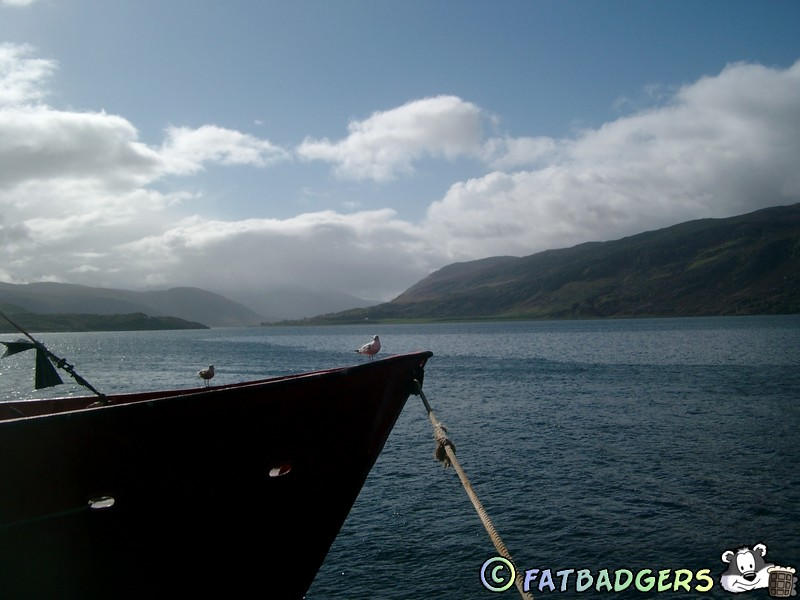
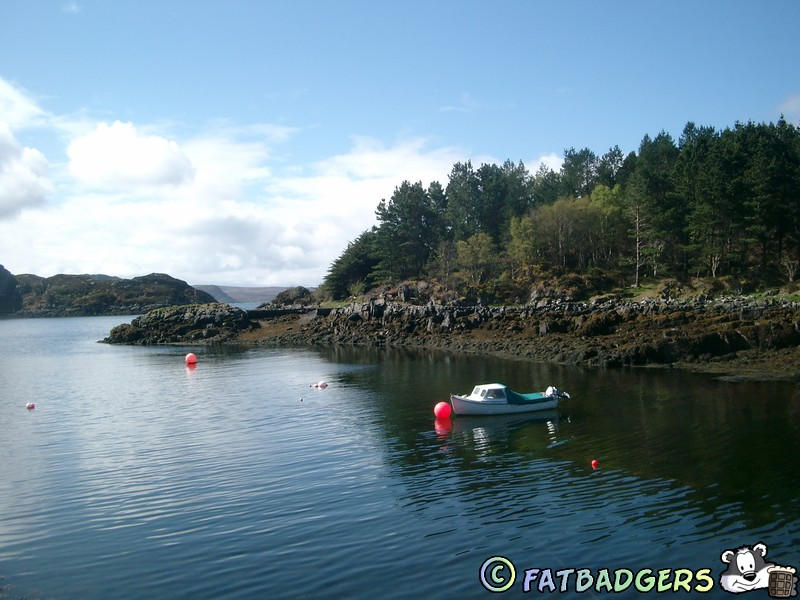
The West Coast features rugged mountains, including parts of the Grampians and the famous Cuillin range on the Isle of Skye. The coastline is indented with numerous sea lochs, fjord-like inlets, and is surrounded by numerous islands like Mull, Skye, Islay, and Jura. It's known for its changeable weather, with frequent rain, mist, and wind, which contributes to the lush, green terrain but can also make outdoor activities unpredictable. It can however be delightfully warm as the gulf stream passes up towards the Hebrides and good sunny weather can be encountered at all times of the year. The North Coast 500 and the Kintyre Way are popular among tourists for their stunning vistas. The coastal waters are rich in marine life, including seals, dolphins, whales, and numerous bird species like puffins on the Treshnish Isles. Inland, you might spot red deer, golden eagles, and otters. • Mountains & Lochs – The west coast is framed by the Highlands, featuring iconic landscapes like Ben Nevis, Glencoe, and Loch Linnhe. • Islands – The region is home to the Inner and Outer Hebrides, including famous islands like Skye, Mull, Islay, Jura, and the Uists. • Fjords & Sea Lochs – Deep-cut lochs such as Loch Fyne, Loch Sunart, and Loch Torridon create a Norwegian-like coastal landscape.Historical Significance
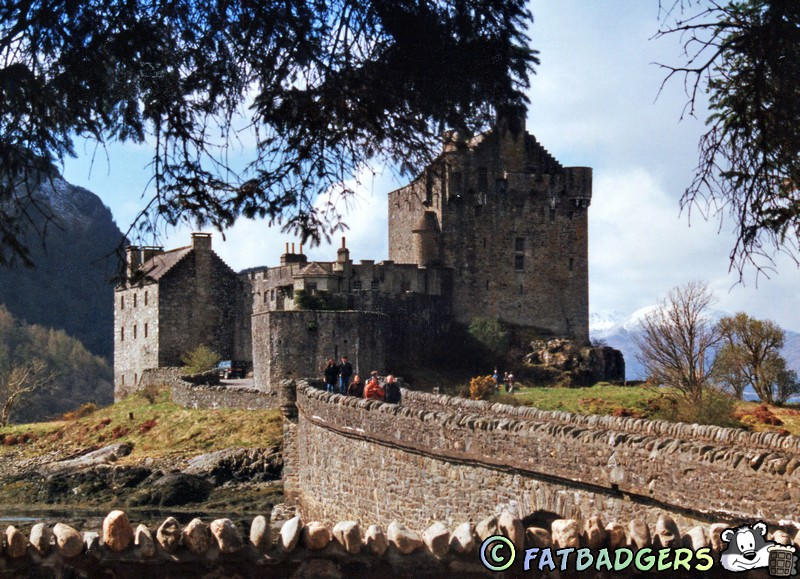
Gaelic Influence: The area is a stronghold of Gaelic culture, with many place names, music, and traditions still reflecting this heritage. Historical clan territories are evident with castles like Dunvegan on Skye, which is the seat of the MacLeod clan, and numerous ruins and fortresses scattered along the coast. • Viking Influence – The western isles were once controlled by Norse settlers and were part of the Kingdom of the Isles until Scotland took control in the 13th century. • Jacobite History – Many areas, such as Glencoe and Glenfinnan, played key roles in the Jacobite uprisings. • Clans & Castles – This region is home to some of Scotland’s most famous clans (MacLeod, MacDonald, Campbell, etc.) and historic castles like Eilean Donan, Duart, and Inveraray. The MacLeod clan is one of the most renowned Highland clans in Scotland, with a rich history and enduring legacy. The clan traces its origins to Leod, who lived in the 13th century. Leod was said to be the son of Olaf the Black, King of Man and the Isles, linking the clan to Norse-Gaelic roots. The clan split into two main branches: • MacLeods of Harris and Dunvegan (Sìol Tormoid), descended from Tormod (Norman), Leod's elder son. They are based at Dunvegan Castle on the Isle of Skye. • MacLeods of Lewis (Sìol Torcaill), descended from Torquil, Leod's younger son. This branch was historically more associated with the Isle of Lewis but has less prominence today.Culture & Traditions
The West Coast, especially around Islay and Jura, is famous for its peaty, smoky whiskies. Distilleries like Laphroaig, Ardbeg, and Bowmore are well-known. Events like the Skye Live festival, the Islay Jazz Festival, or the traditional Highland Games celebrate both local music, arts, and athletic prowess. • Gaelic Heritage – The west coast has strong Gaelic-speaking communities, particularly in the Hebrides. • Whisky Distilleries – The region is famous for its Islay malts (e.g., Laphroaig, Ardbeg) and Highland whiskies (Oban, Talisker). • Music & Festivals – Traditional Scottish music, featuring bagpipes and fiddles, is a big part of the culture, with ceilidhs (dances) and folk festivals held throughout the year. Laphroaig is one of the most famous whisky distilleries in Scotland, renowned for its distinctive, heavily peated single malt Scotch whisky. Laphroaig is situated on the southern coast of Islay, one of the Inner Hebrides islands, often referred to as the "Queen of the Hebrides." The distillery's location near the sea significantly influences its whisky's character. Established in 1815 by Donald and Alexander Johnston, although some form of distilling likely occurred here well before that date. One of Laphroaig's defining characteristics is its use of peat in the malting process. The barley is dried over peat fires, which imparts a smoky, medicinal flavour to the whisky. Laphroaig provides tours where visitors can learn about the whisky-making process, including the unique peat drying step. There's also the opportunity to "fill your own bottle" at the distillery, where you can bottle your own whisky directly from the cask.Things to See & Do
Hiking, mountain biking, kayaking, and sailing are popular. The West Highland Way ends near Fort William, providing access to some of the most scenic parts of this coast. Ferries connect many of the islands, allowing for exploration of each unique locale, from the dramatic cliffs of Staffa to the sandy beaches of Barra. • Isle of Skye – Famous for the Fairy Pools, the Old Man of Storr, and the Quiraing. • Glencoe – A stunning valley with a tragic history, perfect for hiking and photography. • Fingal’s Cave (Isle of Staffa) – A geological wonder with hexagonal basalt columns. • West Highland Way – A legendary hiking trail from Milngavie to Fort William. • NC500 (North Coast 500) – A stunning road trip that covers much of Scotland’s west coast. The North Coast 500 (NC500) is a 516-mile scenic route around the northern coast of Scotland, starting and ending at Inverness Castle. Often dubbed Scotland's Route 66, it has become one of the most celebrated road trips in the world. • Start/End: The route begins and concludes at Inverness Castle, taking you through the Highlands, along the rugged northern and western coasts, and back. • Direction: Typically, it's driven clockwise, but it can be done either way. However, the clockwise route is advised for the best views.Key Highlights:
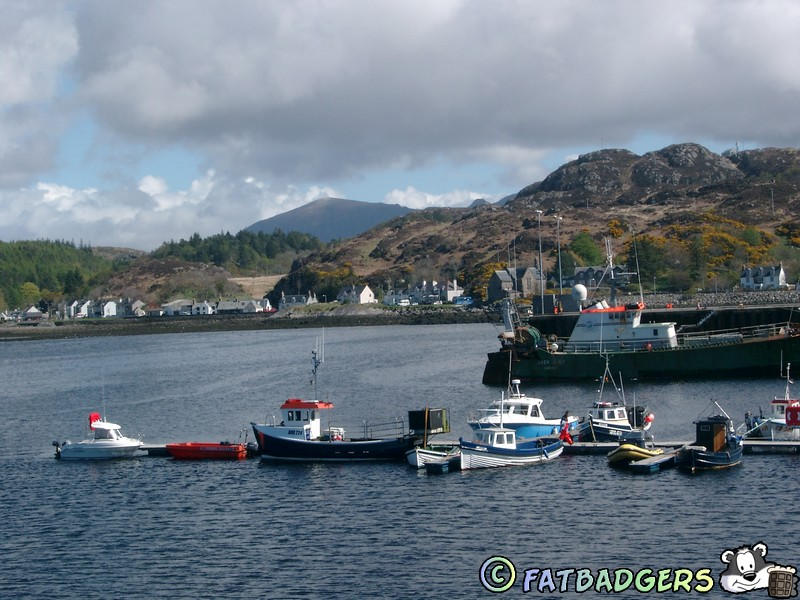
• Bealach na Bà: One of Scotland's highest roads, offering spectacular views from its hairpin bends, connecting Applecross to the rest of the route. • John O'Groats: Often considered the northernmost point of mainland Britain, though Dunnet Head is actually further north. • Durness: Known for its beaches like Smoo Cave and the nearby Cape Wrath, the most north-westerly point in mainland Britain. • Ullapool: A picturesque fishing village, a great base for exploring the surrounding areas or taking a ferry to the Outer Hebrides. • Torridon: Famous for its mountain scenery and as a gateway to some of the best hiking in Scotland. • Applecross: Offers stunning views from the Bealach na Bà and is home to the Applecross Inn, a popular stop for travellers.Accessibility:
Travel:
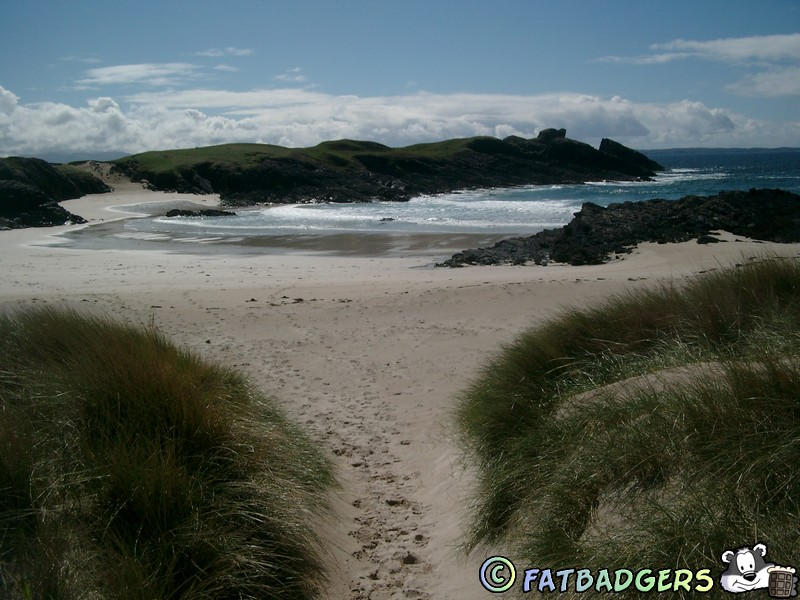
Glasgow serves as a major gateway with road connections northwards. From there, one can drive, take ferries, or even fly to some islands. Public transport can be less frequent in more remote areas, so planning is key. Although tourism is growing on the west coast it is still really quiet compared to English holiday destinations and it’s still possible to have a golden sand beach just to yourself. Whilst the motorway system ends at Glasgow, the main A roads are single carriageway. The A83 heads down to the Mull of Kintyre, the A87 ends on the Isle of Skye and the A835 follows the west coast until meeting the A837 before the A894 and then the A838 continues all the way up to Durness The West Coast of Scotland offers a blend of serene natural beauty with deep cultural roots, making it a compelling destination for travellers seeking both adventure and tranquillity. Apart from the spectacular beaches and links to the Hebrides Islands on the west, the east of the main roads also showcases the spectacular views of the Highlands.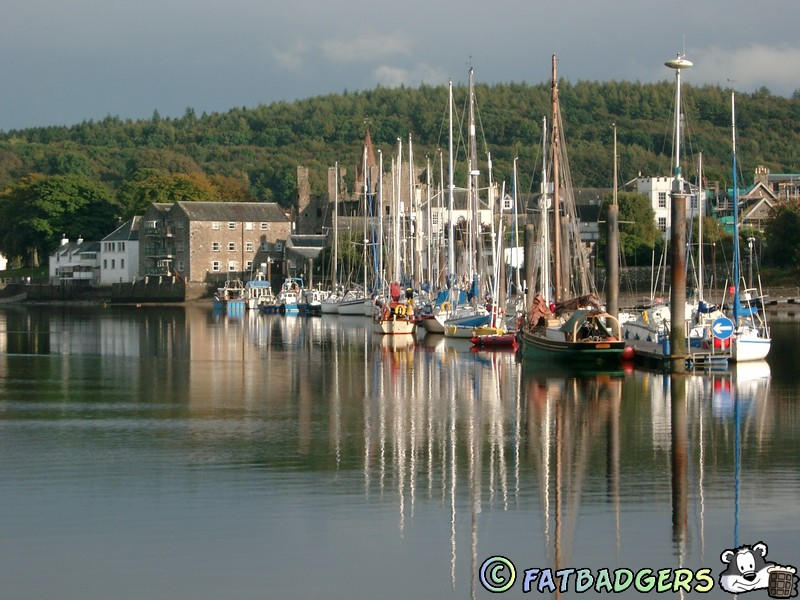
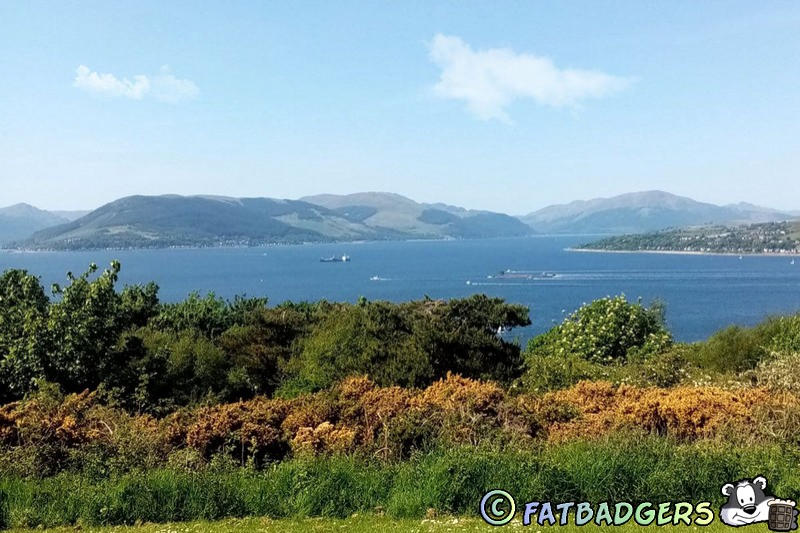
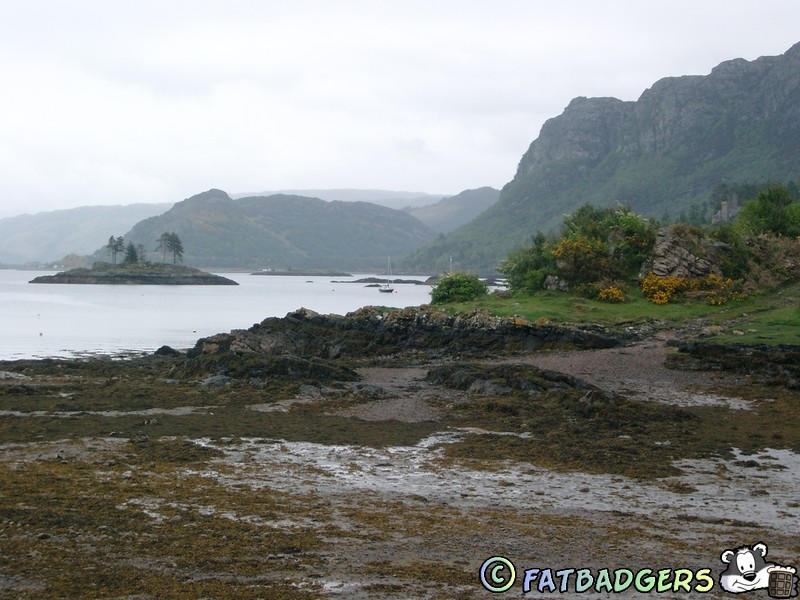

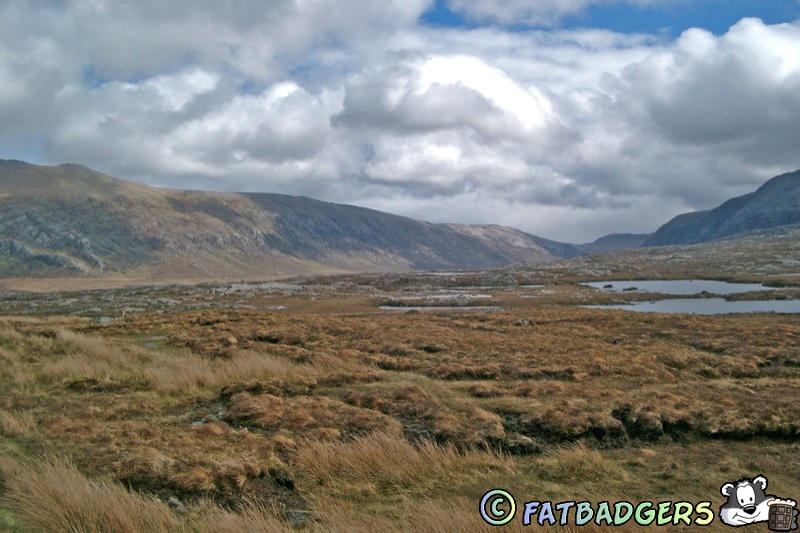
The West Coast of Scotland is renowned for its rugged and dramatic landscapes, rich history, and vibrant culture.
It’s one of our favourite places to visit and the weather is never as bad as people will tell you - Maybe they want to keep something secret!
The West Coast of Scotland













 Pubs
Pubs Open Map in New Window
 England
 Scotland
 Wales
Wales Ireland
 County Map
 About Britain
 Pubs
Pubs British Beer
 Perfect Pint
 Beer Glasses
 The Barren Years
 Real Fires
 Breweries
 Brewing
 British Food
 Recipes
 Pub Interiors
 Dog Friendly
 Pub Games
 Strange Pub Names
 Visitor Information
 Oldest Pub
 Pub Signs
 Micropubs
 Buildings
 Cathedrals
 Stately Homes
 Castles
 Listed Buildings
 Scheduled Monuments
 Oak Framing
 Architecture
 Thatching
 Waterways
 Sailing
 Shipbuilding
 Boatbuilding
  Shipping Forecast
 Britain's Coastline
 Coastal Locations
 Piers
Piers Lighthouses
 Harbours
 Beach Safety
 British Beaches
 Canals
 Rivers
 Islands
 Lakes
Lakes Waterfalls
 Historical
 Famous People
 Kings & Queens
 Kings of England
 History of Britain
 Industrial Revolution
 Act of Union
 Beaufort Scale
 British Firsts
 World Heritage Sites
 Historical Periods
 Historical Boundaries
 Tradition & Culture
 Morris Dancing
 Film & Television
 Television
 Calendar of Events
 British Sport
 Scottish Highlands
 Money
Money Dry Stone Walling
 British Wildlife
 Class System
 Geographical
 Pub Boundaries
 Facts 'n' Figures
 British Isles
 Other Areas
 Place Name Origins
 Topography
 Suggest an Inn
 Explanation of symbols
 Why Us?
 Places to Visit
 Long Distance Paths
 National Parks
 Areas of Outstanding Natural Beauty
 Coastal Locations
 Other areas of Britain
 Maps
Maps Our Favourite Locations
 Search
 Focus On...
 News
News Contact
 About Us
 Our History
 Donate