Cowes is a town on the Isle of Wight, located off the southern coast of England. It is renowned for its maritime
heritage and is particularly famous for its sailing and yachting events.
At least ten of the Fat Badger team are sailors with varying levels of qualification from Day Skippers to Ocean
Yachtmasters and Instructors, despite living most of the time underground.
Some have taken part in yacht racing and some have sailed across the Atlantic Ocean so after all that, we’re
partial to a refreshing pint and Cowes is one of a couple of our favourite locations in the country along with
Yarmouth which is also located on the Isle of Wight - not Great Yarmouth which is located nearer to
Amsterdam except without quite so many surprising sites in shop windows.
Location:
Cowes is situated on the northern coast of the Isle of Wight, along the west bank of the River Medina, which separates it from its twin town, East Cowes.History:
The town's name is believed to be derived from the name of two sandbanks in the river called "cows" or "cowes." Cowes has a long history as a port and shipbuilding centre. Its maritime significance grew during the 19th century.Maritime and Sailing Heritage:
Cowes Week:
Cowes is most famous for Cowes Week, one of the oldest and largest sailing regattas in the world. It takes place annually in early August and attracts thousands of sailors and spectators from around the globe. The event features a wide range of races for different classes of boats and is accompanied by various social events, making it a significant part of the social calendar for sailing enthusiasts.Royal Yacht Squadron:
Founded in 1815, the Royal Yacht Squadron is one of the most prestigious yacht clubs in the world, based at Cowes Castle. The club has a prominent role in Cowes Week and in the history of yachting.Round the Island Race:
Almost as popular as Cowes Week is the Round the Island Race, one of the largest and most popular yacht races in the world. It takes place annually around the Isle of Wight, attracting thousands of sailors and a wide variety of vessels. The race starts and finishes in Cowes and circumnavigates the island in a clockwise direction, covering approximately 50 nautical miles (93 kilometres). The first Round the Island Race was held in 1931, organised by Major Cyril Windeler. Nearly 2,000 boats now take part every year and the Fat Badgers are proud to announce that they taken part three times and have previously beaten Sir Ben Ainslie by 127 places and he’s got four Olympic and eleven World Gold medals so we must be doing something right.Attractions and Activities:
Marinas and Yachting Facilities:
Cowes is home to several marinas and yachting facilities, including Shepards Wharf Marina and Cowes Yacht Haven, providing extensive services for boating enthusiasts.Museums and Historical Sites:
• Sir Max Aitken Museum: Located in an 18th-century sailmaker’s loft, the museum houses a collection of maritime artefacts and memorabilia. Cowes Maritime Museum: • Offers exhibits on the town’s maritime history, including shipbuilding and sailing.East Cowes:
Connected to Cowes by a chain ferry (also known as the "floating bridge"), East Cowes is home to Osborne House, the former summer residence of Queen Victoria and Prince Albert. The house and its gardens are open to the public and managed by English Heritage. East Cowes is also home to the RNLI’s Inshore Lifeboat Centre which supplies and maintains over half of all the lifeboats and all of the lifeboat stations in the UK.Economy and Local Life:
Tourism:
Tourism plays a vital role in Cowes’ economy, with visitors drawn to its sailing events, historical sites, and scenic coastal views.Local Businesses:
The town has a range of local businesses, including shops, restaurants, and pubs that cater to both residents and visitors.Community and Culture:
Cowes has a vibrant community with various local events and festivals throughout the year, reflecting its rich cultural and maritime heritage.Transportation:
Ferries:
Cowes is accessible from the mainland by ferry, with regular services operated by Red Funnel from Southampton to East Cowes and by high- speed catamaran to West Cowes.Roads and Public Transport:
The Isle of Wight is well-connected by roads, and Cowes can be easily reached from other parts of the island by bus and car. Cowes is a charming town with a deep-rooted maritime tradition, making it a key destination for sailing enthusiasts and tourists interested in England’s nautical history. Its combination of historical sites, modern yachting facilities, and vibrant community events make it a unique and attractive place to visit.


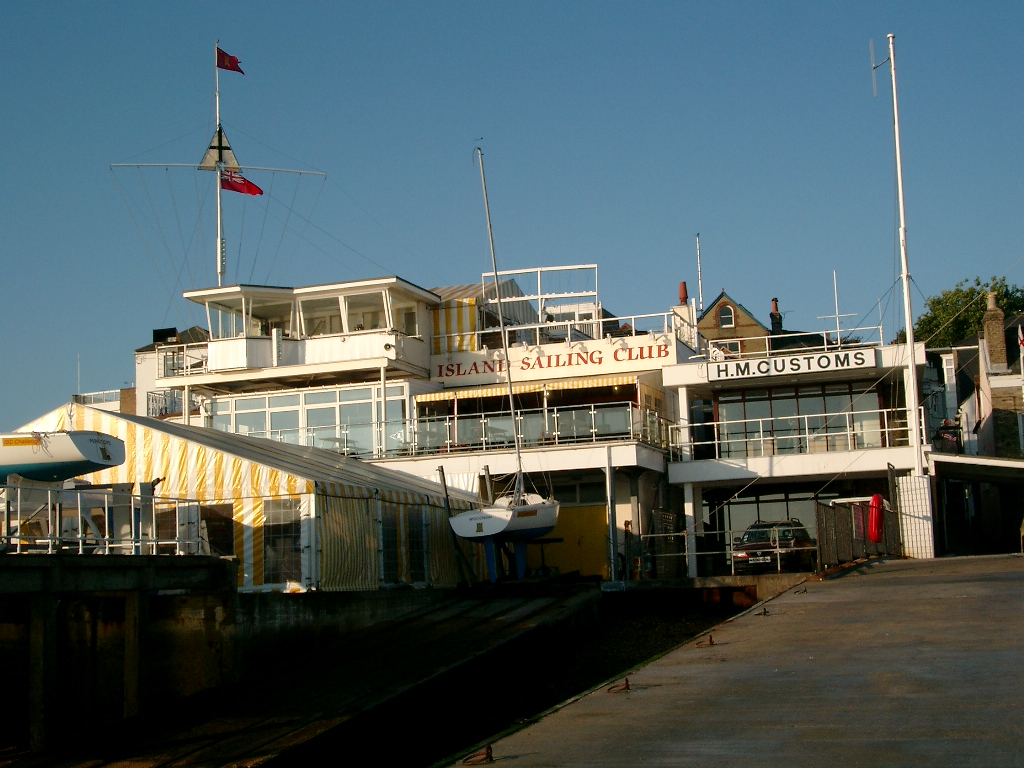


Cowes, Isle of Wight


Yachting Capital.

Focus On... Map
Aberdovey, Wales
Black Country, England
Boscastle, England
Bucklers Hard, England
Cowes, England
Edinburgh, Scotland
Glencoe, Scotland
Gower, Wales
Grasmere, England
Henley-on-Thames, England
Highlands, Scotland
Ironbridge, England
Lake District, England
Liverpool, England
Ludlow, England
Nottingham, England
Oxford, England
Polperro, England
Isle of Purbeck, England
Potteries, England
Salcombe England
Shrewsbury England
Stratford-upon-Avon, England
Windsor & Eton, England
Yarmouth, England
 Pubs
Pubs Open Map in New Window
 England
 Scotland
 Wales
Wales Ireland
 County Map
 About Britain
 Pubs
Pubs British Beer
 Perfect Pint
 Beer Glasses
 The Barren Years
 Real Fires
 Breweries
 Brewing
 British Food
 Recipes
 Pub Interiors
 Dog Friendly
 Pub Games
 Strange Pub Names
 Visitor Information
 Oldest Pub
 Pub Signs
 Micropubs
 Buildings
 Cathedrals
 Stately Homes
 Castles
 Listed Buildings
 Scheduled Monuments
 Oak Framing
 Architecture
 Thatching
 Waterways
 Sailing
 Shipbuilding
 Boatbuilding
  Shipping Forecast
 Britain's Coastline
 Coastal Locations
 Piers
Piers Lighthouses
 Harbours
 Beach Safety
 British Beaches
 Canals
 Rivers
 Islands
 Lakes
Lakes Waterfalls
 Historical
 Famous People
 Kings & Queens
 Kings of England
 History of Britain
 Industrial Revolution
 Act of Union
 Beaufort Scale
 British Firsts
 World Heritage Sites
 Historical Periods
 Historical Boundaries
 Tradition & Culture
 Morris Dancing
 Film & Television
 Television
 Calendar of Events
 British Sport
 Scottish Highlands
 Money
Money Dry Stone Walling
 British Wildlife
 Class System
 Geographical
 Pub Boundaries
 Facts 'n' Figures
 British Isles
 Other Areas
 Place Name Origins
 Topography
 Suggest an Inn
 Explanation of symbols
 Why Us?
 Places to Visit
 Long Distance Paths
 National Parks
 Areas of Outstanding Natural Beauty
 Coastal Locations
 Other areas of Britain
 Maps
Maps Our Favourite Locations
 Search
 Focus On...
 News
News Contact
 About Us
 Our History
 Donate