Both are collegiate universities, meaning they are made up of semi-
independent colleges, each with their own buildings, students and staff.
Many people might think that Badgers aren’t very intelligent but Fat Badger Reno’s daughter (Fat Badger Kilo’s God daughter) gained her PhD. at Oxford so who’s laughing now? This is the reason that all Fat Badgers now support Oxford in the Boat Race and the Varsity MatchWhat Makes Oxbridge Unique?
1. The Tutorial System (Oxford) / Supervision System
(Cambridge)
• Students receive one-on-one or small-group teaching weekly with an expert. • Encourages deep critical thinking and discussion.2. Collegiate Life
• Students live, eat and socialise in their colleges. • Colleges provide accommodation, meals, pastoral care and a tight-knit community.3. Academic Excellence
• Consistently ranked among the top 5 universities in the world. • Extremely competitive admissions (only about 16–20% get offers).4. Tradition and Influence
• Ancient rituals, gowns, Latin grace at dinners. • Long history of producing Prime Ministers, scientists, authors and global leaders.What Is "Oxbridge" Used to Mean?
It can refer broadly to elite higher education in the UK. Often used to contrast with other universities in terms of: • Academic pressure • Prestige • Tradition • Social background (critics argue Oxbridge has historically favoured the wealthy or privately educated).Modern Day Oxbridge
• Both universities have made efforts to widen access, increase diversity and modernise curricula. • Offer courses across science, humanities, medicine, law, engineering and more. • Continue to lead in global research and innovation.
Oxford and Cambridge: An Overview
University of Oxford
University of Cambridge
Founded
c. 1096 (teaching began)
1209
Location
Oxford, England
Cambridge, England
Colleges
39 colleges
31 colleges
Famous Alumni
J.R.R. Tolkien, Margaret Thatcher, Tim Berners-Lee,
Richard Dawkins, Stephen Hawking, C.S. Lewis,
Oscar Wilde

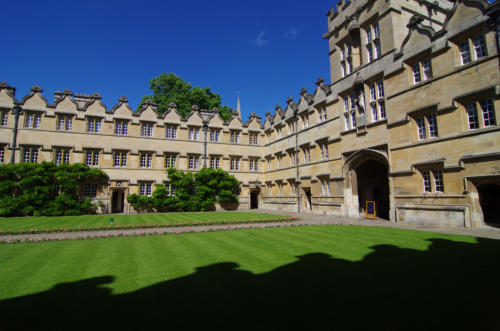
Oxbridge is a blend of the words Oxford and Cambridge, referring to the two oldest and most prestigious universities in the UK - and
among the most renowned worldwide. Historically regarded as universities for the Upper Classes and British institutions.
Oxbridge





 Pubs
Pubs Open Map in New Window
 England
 Scotland
 Wales
Wales Ireland
 County Map
 About Britain
 Pubs
Pubs British Beer
 Perfect Pint
 Beer Glasses
 The Barren Years
 Real Fires
 Breweries
 Brewing
 British Food
 Recipes
 Pub Interiors
 Dog Friendly
 Pub Games
 Strange Pub Names
 Visitor Information
 Oldest Pub
 Pub Signs
 Micropubs
 Buildings
 Cathedrals
 Stately Homes
 Castles
 Listed Buildings
 Scheduled Monuments
 Oak Framing
 Architecture
 Thatching
 Waterways
 Sailing
 Shipbuilding
 Boatbuilding
  Shipping Forecast
 Britain's Coastline
 Coastal Locations
 Piers
Piers Lighthouses
 Harbours
 Beach Safety
 British Beaches
 Canals
 Rivers
 Islands
 Lakes
Lakes Waterfalls
 Historical
 Famous People
 Kings & Queens
 Kings of England
 History of Britain
 Industrial Revolution
 Act of Union
 Beaufort Scale
 British Firsts
 World Heritage Sites
 Historical Periods
 Historical Boundaries
 Tradition & Culture
 Morris Dancing
 Film & Television
 Television
 Calendar of Events
 British Sport
 Scottish Highlands
 Money
Money Dry Stone Walling
 British Wildlife
 Class System
 Geographical
 Pub Boundaries
 Facts 'n' Figures
 British Isles
 Other Areas
 Place Name Origins
 Topography
 Suggest an Inn
 Explanation of symbols
 Why Us?
 Places to Visit
 Long Distance Paths
 National Parks
 Areas of Outstanding Natural Beauty
 Coastal Locations
 Other areas of Britain
 Maps
Maps Our Favourite Locations
 Search
 Focus On...
 News
News Contact
 About Us
 Our History
 Donate