The Jacobean age refers to the period in English history during the reign of King James I of England
(1603–1625). The name comes from "Jacobus," the Latin form of James.
This era followed the Elizabethan Age and is considered part of the broader Stuart period. It was a time of
significant political, cultural and artistic development - as well as growing tensions that would later erupt into
civil war.
Key Features of the Jacobean Era include the ongoing tension between monarchy and Parliament, the rise
of Puritanism and religious dissent and the infamous Gunpowder Plot (1605) - a failed attempt by Guy
Fawkes and others to blow up Parliament and kill the king.
William Shakespeare wrote some of his greatest plays during this time, including:
•
Macbeth
•
King Lear
•
The Tempest
Other famous writers include Ben Jonson, John Donne and Francis Bacon.
Jacobean architecture was richly decorated, combining late Gothic and early Renaissance styles with
emphasis on grand country houses and detailed woodwork (e.g., Hardwick Hall). Jacobean furniture was
heavy and ornate.
The Jacobean era bridges the Renaissance and the early modern period, rich in cultural output and dramatic tension.
Stuart Monarchs
1. James I (r. 1603 - 1625)
• Son of Mary, Queen of Scots. First Stuart king of England and also King James VI of Scotland. • His reign united the crowns of England and Scotland. • Commissioned the King James Bible (1611). • Faced financial problems and tensions with Parliament. • Survived the Gunpowder Plot (1605) - an attempt to blow up Parliament.2. Charles I (r. 1625 - 1649)
• Strong believer in the divine right of kings. • His conflicts with Parliament led to the English Civil War. • Defeated, tried and executed in 1649 - an unprecedented act in Europe.3. Interregnum / Commonwealth (1649 - 1660)
• England became a republic under Oliver Cromwell, the Lord Protector. • Strict Puritan rule: theatres closed, Christmas banned, moral laws enforced. • Cromwell died in 1658; his son Richard failed to keep control. • The monarchy was restored in 1660.4. Charles II (r. 1660 - 1685)
• Known as the “Merry Monarch” - restored a more tolerant, lively court. • London faced the Great Plague (1665) and the Great Fire (1666). • Theatres, fashion and science flourished (Royal Society founded). • Secret Catholic sympathies caused tension.5. James II (r. 1685 - 1688)
• Openly Catholic king, sparking deep fears of a return to Catholic monarchy. • Deposed in the Glorious Revolution (1688).6. William III and Mary II (r. 1689 - 1702)
• Invited by Parliament to take the throne. • Signed the Bill of Rights (1689), limiting royal power and establishing constitutional monarchy.7. Queen Anne (r. 1702 - 1714)
• Last Stuart monarch. • Oversaw the Act of Union (1707): England and Scotland became the Kingdom of Great Britain. • Died without an heir, ending the Stuart line.Major Conflicts
English Civil Wars (1642 - 1651):
• Royalists (Cavaliers) vs. Parliamentarians (Roundheads). • Led to the execution of Charles I and temporary abolition of monarchy.Glorious Revolution (1688):
• Peaceful overthrow of James II. • Marked the rise of Parliament’s supremacy over the monarchy.Religious Division
• Ongoing tension between: • Anglicans (Church of England), • Puritans (radical Protestants), • Catholics (viewed with suspicion and hostility). • Laws restricted Catholic and Nonconformist rights.Society and Culture
• Rise of science and reason: early Enlightenment thinking. • Isaac Newton, John Locke and the Royal Society made lasting contributions. • Coffeehouses became centres of discussion and trade. • Newspapers and pamphlets spread rapidly — early public opinion. • Literature flourished: John Milton, John Dryden, Aphra Behn (one of the first English female writers).Empire and Economy
• Expansion of overseas trade and colonisation: • North America (e.g. Virginia, Massachusetts) • Caribbean (sugar plantations) • Growth of the slave trade • London became a major financial centre.Legacy of Stuart Britain
• End of absolute monarchy in Britain. • Foundations laid for modern parliamentary democracy. • Union of England and Scotland. • Expansion of the British Empire and Atlantic trade. • Deep religious and political divisions still felt today in some ways.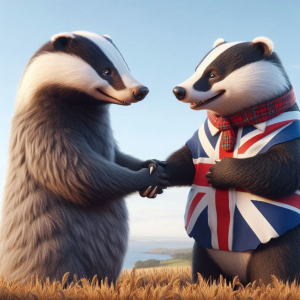
Stuart Britain refers to the period when the Stuart dynasty ruled England, Scotland, and (later) Great Britain - from 1603 to 1714. It was a
dramatic era of civil war, regicide, religious conflict and the birth of the modern British state.
Stuart Britain





 Pubs
 Open Map in New Window
 England
 Scotland
 Wales
 Ireland
 County Map
 About Britain
 Pubs
 British Beer
 Perfect Pint
 Beer Glasses
 The Barren Years
 Real Fires
 Breweries
 Brewing
 British Food
 Recipes
 Pub Interiors
 Dog Friendly
 Pub Games
 Strange Pub Names
 Visitor Information
 Oldest Pub
 Pub Signs
 Micropubs
 Buildings
 Cathedrals
 Stately Homes
 Castles
 Listed Buildings
 Scheduled Monuments
 Oak Framing
 Architecture
 Thatching
 Waterways
 Sailing
 Shipbuilding
 Boatbuilding
 Shipping Forecast
 Britain's Coastline
 Coastal Locations
 Piers
 Lighthouses
 Harbours
 Beach Safety
 British Beaches
 Canals
 Rivers
 Islands
 Lakes
 Waterfalls
 Historical
 Famous People
 Kings & Queens
 Kings of England
 History of Britain
 Industrial Revolution
 Act of Union
 Beaufort Scale
 British Firsts
 World Heritage Sites
 Historical Periods
 Historical Boundaries
 Tradition & Culture
 Morris Dancing
 Film & Television
 Television
 Calendar of Events
 British Sport
 Scottish Highlands
 Money
 Dry Stone Walling
 British Wildlife
 Class System
 Geographical
 Pub Boundaries
 Facts 'n' Figures
 British Isles
 Other Areas
 Place Name Origins
 Topography
 Suggest an Inn
 Explanation of symbols
 Why Us?
 Places to Visit
 Long Distance Paths
 National Parks
 Areas of Outstanding Natural Beauty
 Coastal Locations
 Other areas of Britain
 Maps
 Our Favourite Locations
 Search
 Focus On...
 News
 Contact
 About Us
 Our History
 Donate
