The Historical Origin: The Gunpowder Plot (1605)
Bonfire Night commemorates the failure of the Gunpowder Plot. In 1605, a group of English Catholics planned to blow up the Houses of Parliament during the State Opening of Parliament. Their goal was to kill King James I and much of the Protestant ruling class.Why did they do it?
After the Protestant Reformation, Catholics in England faced restrictions, fines and persecution. Some Catholics hoped James I would be more tolerant, but disappointment led extremists toward violence.The plotters
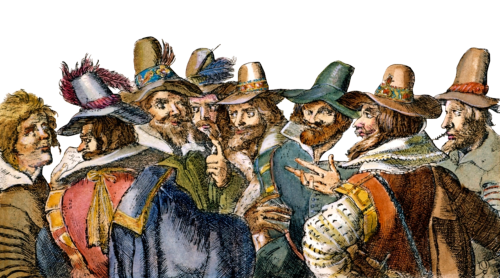
The conspiracy was led by Robert Catesby, but the most famous figure became Guy Fawkes, an explosives expert tasked with guarding 36 barrels of gunpowder hidden beneath Parliament.How the plot failed
Authorities received an anonymous warning letter urging a Catholic lord to avoid Parliament. A search of the cellars uncovered Guy Fawkes during the night of 4–5 November 1605. Fawkes was arrested, tortured and eventually executed along with other conspirators.Why Bonfires?
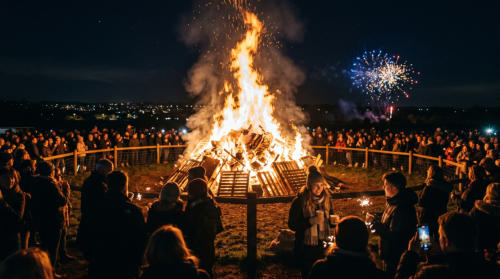
Londoners celebrated the king’s survival by lighting bonfires. Parliament later passed the Observance of 5th November Act (1606), encouraging annual commemorations. Over time, the event evolved into a public festival with: • Bonfires • Fireworks • Effigies (“guys”) • Food and fairs • Community gatheringsThe “Guy” Tradition
Children historically made stuffed effigies of Guy Fawkes called “guys” and displayed them while asking for “a penny for the Guy.” The effigies were later burned on bonfires. Interestingly, this is one reason the word “guy” eventually evolved into a casual term for a man in modern English.Famous Rhyme
Many people in Britain know this rhyme: “Remember, remember, the Fifth of November, Gunpowder, treason and plot…” It has existed in several versions for centuries.Modern Bonfire Night
Today, Bonfire Night is mostly a community celebration rather than a political or religious event. Typical modern celebrations include: Fireworks Displays Large organized events take place across the UK. Bonfires Huge wooden bonfires are often the centrepiece. Food Classic foods include: • Toffee apples • Parkin cake • Roasted chestnuts • Jacket potatoes • Hot dogs and soup Sparklers Children often use sparklers, though safety campaigns have become stricter over time.Controversies and Changes
Bonfire Night has changed a lot over the centuries. Anti-Catholic origins Historically, celebrations sometimes included anti-Catholic sentiment and burning effigies of the Pope. Most modern events avoid this entirely. Safety concerns Fireworks injuries, crowd safety and environmental issues have led many councils to favour organized public displays over private fireworks. Animal welfare Pets and wildlife can be distressed by fireworks, leading to debates about restrictions.Bonfire Night in Popular Culture
The image of Guy Fawkes became globally famous through: • V for Vendetta • The stylized Guy Fawkes mask used by protest movements • Internet activist culture associated with Anonymous 5 November is not a UK public holiday. Schools and businesses usually operate normally, with celebrations happening in the evening. Guy Fawkes was not actually the leader of the plot and the cellar under Parliament was legally rented. Fireworks became associated with the night because they symbolized the failed explosion and the Yeomen of the Guard still ceremonially search Parliament before the State Opening each year.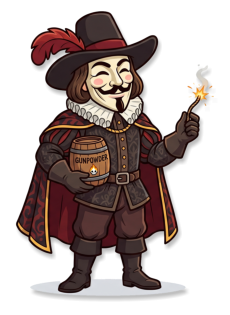
Bonfire Night - also called Guy Fawkes Night or Fireworks Night - is a British tradition held every year on 5 November. It combines history,
politics, religion, public celebration and huge fireworks displays.
Bonfire night





 Pubs
Pubs Open Map in New Window
 England
 Scotland
 Wales
Wales Ireland
 County Map
 About Britain
 Pubs
Pubs British Beer
 Perfect Pint
 Beer Glasses
 The Barren Years
 Real Fires
 Breweries
 Brewing
 British Food
 Recipes
 Pub Interiors
 Dog Friendly
 Pub Games
 Strange Pub Names
 Visitor Information
 Oldest Pub
 Pub Signs
 Micropubs
 Buildings
 Cathedrals
 Stately Homes
 Castles
 Listed Buildings
 Scheduled Monuments
 Oak Framing
 Architecture
 Thatching
 Waterways
 Sailing
 Shipbuilding
 Boatbuilding
  Shipping Forecast
 Britain's Coastline
 Coastal Locations
 Piers
Piers Lighthouses
 Harbours
 Beach Safety
 British Beaches
 Canals
 Rivers
 Islands
 Lakes
Lakes Waterfalls
 Historical
 Famous People
 Kings & Queens
 Kings of England
 History of Britain
 Industrial Revolution
 Act of Union
 Beaufort Scale
 British Firsts
 World Heritage Sites
 Historical Periods
 Historical Boundaries
 Tradition & Culture
 Morris Dancing
 Film & Television
 Television
 Calendar of Events
 British Sport
 Scottish Highlands
 Money
Money Dry Stone Walling
 British Wildlife
 Class System
 Geographical
 Pub Boundaries
 Facts 'n' Figures
 British Isles
 Other Areas
 Place Name Origins
 Topography
 Suggest an Inn
 Explanation of symbols
 Why Us?
 Places to Visit
 Long Distance Paths
 National Parks
 Areas of Outstanding Natural Beauty
 Coastal Locations
 Other areas of Britain
 Maps
Maps Our Favourite Locations
 Search
 Focus On...
 News
News Contact
 About Us
 Our History
 Donate