
The Gloucester Cheese Rolling dates back to at
least the 19th century, though some believe it could
be much older. It may have roots in pagan rituals or
local customs celebrating the onset of spring. Held
annually, competitors chase a 9-pound round of
Double Gloucester cheese down the very steep, rough terrain of
Cooper's Hill near Gloucester, England. The cheese can reach
speeds up to 70 mph, making it nearly impossible to catch. The
objective is not necessarily to catch the cheese but to be the first
to cross the finish line at the bottom of the hill.It typically takes
place on the Spring Bank Holiday in May.

Cheese Rolling


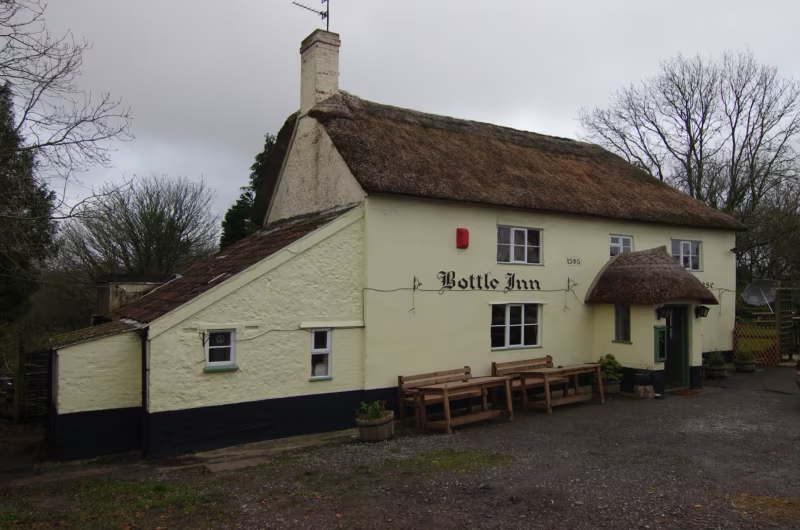
The World Nettle Eating Championships is a distinctive and challenging event held
annually at The Bottle Inn in Marshwood, Dorset, England. This unusual competition
involves participants consuming as many stinging nettles as possible within a set time.
Participants are given one hour to eat as many nettle leaves as possible. The leaves
are stripped from the stalks, and only the leaves count towards the final tally.
The current records for the most nettles eaten are impressive, with some competitors managing to
strip and consume over 70 feet of nettles within the hour.

World Nettle eating championships

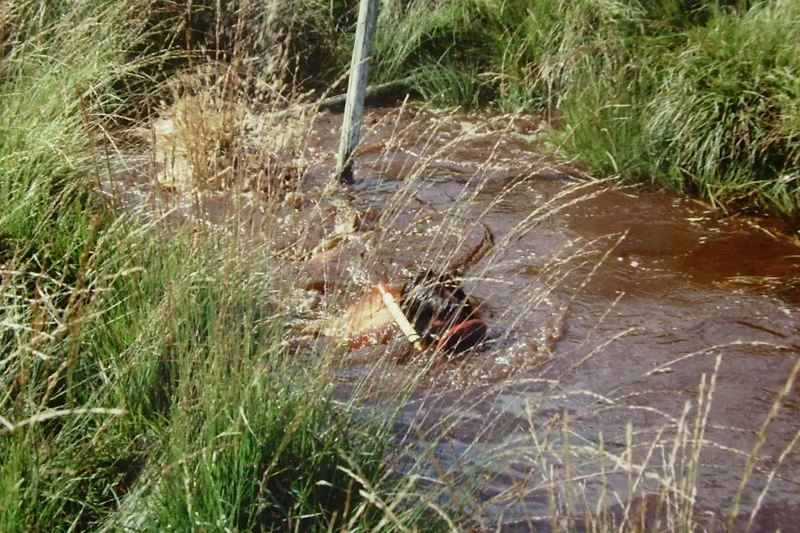
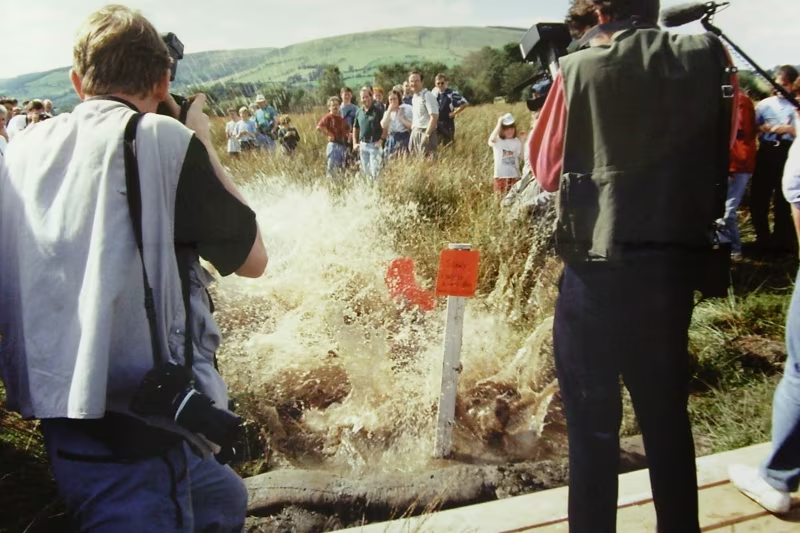
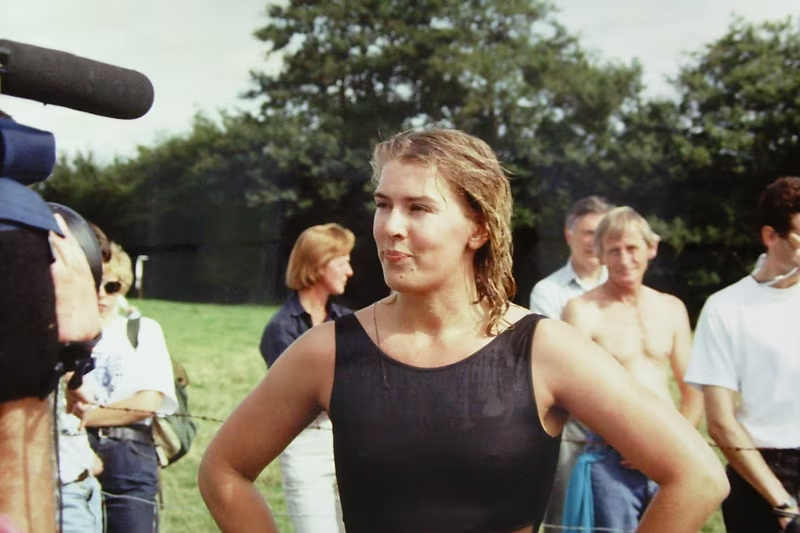
Bog Snorkelling is a unique and eccentric sporting event held annually in Llanwrtyd Wells, a small town in Powys, Wales.
The event takes place in a peat bog near the town. The bog is specifically prepared for the event with trenches filled with water.
Competitors swim through two consecutive water-filled trenches, each 60 yards (55 meters) long, for a total distance of 120 yards (110
meters). Participants must complete the course without using conventional swimming strokes. Instead, they use flippers and a snorkel.

world bog snorkelling championships

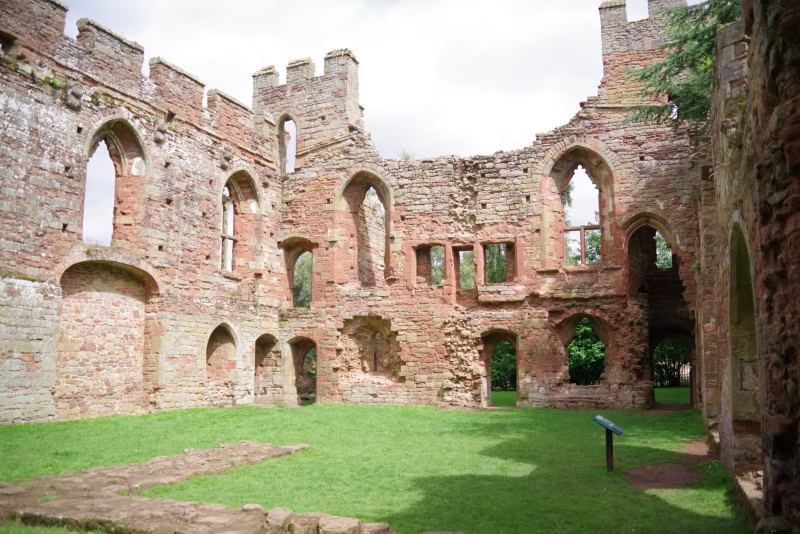
The Acton Burnell Parliament, held in 1283, is a significant event in English
history as it is considered one of the earliest instances of the English Parliament
convening with a recognizable structure and set of functions.
The Acton Burnell Parliament was held during the reign of King Edward I (1272-
1307), who was known for his administrative reforms and military campaigns.
Acton Burnell is a village in Shropshire, England. The parliament was held at Acton Burnell
Castle, the fortified manor house of Robert Burnell, who was the Bishop of Bath and Wells
and the Lord Chancellor of England.

acton burnell parliament

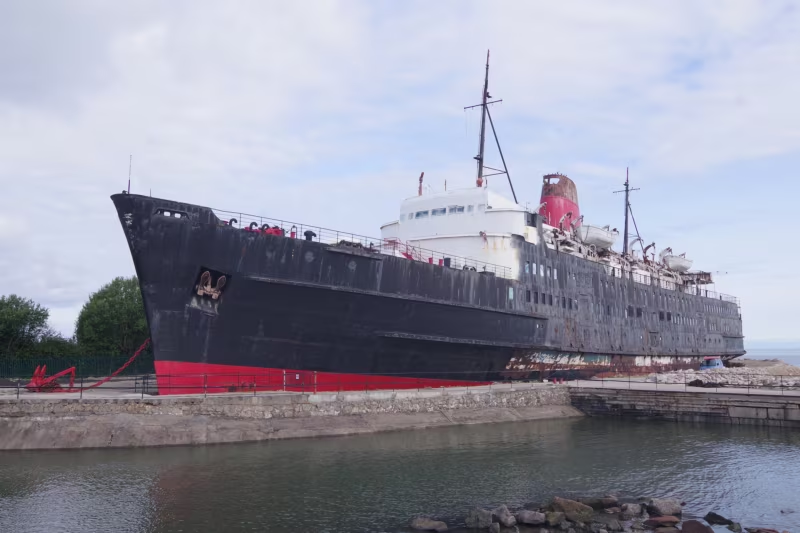
The Mostyn Funship, originally known as the TSS Duke of Lancaster, is a unique and
iconic structure located on the Clwyd coast of North Wales. Originally built by Harland
and Wolff, Belfast, and launched in 1955. It was a passenger and cargo steam
turbine ship, one of the last passenger-only steamers built for British Railways.
The ship was retired from regular passenger service in the early 1970s. In 1979, it
was purchased by a company intending to convert it into a floating leisure and retail complex.
The Funship closed in the mid-1980s, and since then, the ship has remained in place, slowly
deteriorating. Various attempts to revive it or repurpose it have been made over the years, but
none have been successful due to objections by the police and local council who have used very
dubious methods to thwart any attempt to re-open.

mostyn funship

Wassailing is a traditional practice in English culture,
particularly Somerset & Devon that involves singing and
drinking to the health of trees, particularly apple trees, to
ensure a good harvest in the coming year. It has roots in
ancient pagan customs and has evolved over time to
include various regional customs and practices.
Groups of wassailers (sometimes referred to as mummers or carolers)
travel from house to house, singing and offering a drink from the
wassail bowl in exchange for gifts or hospitality.
The Wassail Bowl is a large bowl filled with a hot, spiced drink, often a
mulled cider or ale. The wassail drink is typically made with ingredients
like apples, spices, sugar, and sometimes eggs.
Participants gather in an orchard, typically on Twelfth Night (January 5
or 6) or Old Twelfth Night (January 17)

Wassailing

Traditional and historic event held annually in
various towns in the United Kingdom, most
famously in Ashbourne, Derbyshire. This
medieval game is played on Shrove Tuesday
and, in some places, also on Ash Wednesday.
The exact origins of Shrovetide Football are unclear, but it
dates back to at least the 12th century. It is believed to have
pagan roots, possibly linked to fertility rites and pre-Lenten
festivities.
The town is divided into two teams: the Up'Ards and the
Down'Ards. The division is based on which side of the
Henmore Brook players are born or reside on.
The goals are three miles apart, located at old millstones in
the villages of Sturston and Clifton. Players aim to tap the
ball three times on their respective goal’s millstone.

Shrovetide Football

Held annually in Ramsbottom, Lancashire, England, outside the Oaks pub (formerly the Royal Oak) on Bridge Street on the second
Sunday of September. The event was originally held outside the Corner Pin pub in nearby Stubbins before that pub was closed and
converted to offices. Money raised by the event is donated to local good causes.
The event is said to date back to the Wars of the Roses at a battle in Stubbins, Lancashire in 1455. A series of civil wars fought between
the houses of Lancaster (whose symbol was the red rose) and York (whose symbol was the white rose) in the 15th century.
According to legend, the black pudding hurling competition began when the combatants ran out of ammunition and resorted to throwing food at each
other instead, black puddings from Lancashire and Yorkshire puddings from Yorkshire.
The competition was revived by a pub landlord in 1839 and revived again in 1984 by the Stubbins Community Trust. It has been a popular custom in
the town ever since, drawing thousands of spectators to watch every year.
The goal of the competition is to hurl three black puddings underhand at a stack of Yorkshire puddings mounted on a 20-foot high plinth. The winner is
the person who knocks down the most Yorkshire puddings with their black pudding.

World Black Pudding hurling Championships

One of the most unique and entertaining events in Gloucestershire, held annually in the historic market town of Tetbury. This
quirky and physically demanding event involves participants racing up a steep hill while carrying a heavy woolsack on their
shoulders. The race takes place on Gumstool Hill, one of the steepest hills in the town, making it a real test of strength and
endurance.
The origins of the Tetbury Woolsack Races are rooted in the town's history as a major center for the wool trade during the
medieval period. Tetbury, like many towns in the Cotswolds, grew wealthy from the wool industry, and the race is believed to have been
inspired by the tradition of young men showing off their strength by carrying heavy sacks of wool up the hill.
The race involves competitors carrying a sack of wool—commonly known as a woolsack—up the steep incline of Gumstool Hill. The hill has
a gradient of 1 in 4, making the task incredibly challenging. The woolsacks weigh approximately 60 pounds (27 kg) for men and 35 pounds
(16 kg) for women.
There are various categories in the race, including men's, women's, and team events. In the team events, groups of four people take turns
carrying the sack up the hill. The race is a test of both speed and strength, with participants sprinting up the hill as fast as they can while
balancing the heavy sack on their shoulders.
The Tetbury Woolsack Races take place on Spring Bank Holiday Monday at the end of May and are part of a larger festival that includes
street entertainment, stalls, and live music.

Tetbury Woolsack Races

Each year in Abbots Bromley, Staffordshire, on Wakes Monday (the Monday after the first Sunday following 4 September), a
troupe of performers carries real reindeer antlers around the parish, dancing at farms, houses, pubs and landmarks before
returning to the village church in the evening.
The tradition occupies most of the day and covers several miles. The performers traditionally include: Six antler-bearers, A
Hobby Horse, Maid Marian, A Fool, A Bowman (archer) and musicians accompanying the procession.
The Fool traditionally carries a pig's bladder and interacts with spectators, while the Hobby Horse and Bowman add a theatrical element
that suggests the dance may once have been part of a larger folk drama.
The earliest documentary reference to a related performance in the village dates from 1532, while the first detailed description of the horn
dance itself appears in 1686. However, the antlers are centuries older than either record.
Many local traditions claim the dance dates from a fair held in 1226, but historians have found no direct evidence proving that date.

Abbots Bromley Horn Dance
Quirky Places, Events & Traditions
The British Isles have some bonkers traditions and weird places which are great fun to visit. Here’s a few of our favourites which we’ll add to as and
when we get to experience them.
Pubs also often have their own customs and traditions which have often stood as long or longer than British Institutions.

















 Pubs
 Open Map in New Window
 England
 Scotland
 Wales
 Ireland
 County Map
 About Britain
 Pubs
 British Beer
 Perfect Pint
 Beer Glasses
 The Barren Years
 Real Fires
 Breweries
 Brewing
 British Food
 Recipes
 Pub Interiors
 Dog Friendly
 Pub Games
 Strange Pub Names
 Visitor Information
 Oldest Pub
 Pub Signs
 Micropubs
 Buildings
 Cathedrals
 Stately Homes
 Castles
 Listed Buildings
 Scheduled Monuments
 Oak Framing
 Architecture
 Thatching
 Waterways
 Sailing
 Shipbuilding
 Boatbuilding
 Shipping Forecast
 Britain's Coastline
 Coastal Locations
 Piers
 Lighthouses
 Harbours
 Beach Safety
 British Beaches
 Canals
 Rivers
 Islands
 Lakes
 Waterfalls
 Historical
 Famous People
 Kings & Queens
 Kings of England
 History of Britain
 Industrial Revolution
 Act of Union
 Beaufort Scale
 British Firsts
 World Heritage Sites
 Historical Periods
 Historical Boundaries
 Tradition & Culture
 Morris Dancing
 Film & Television
 Television
 Calendar of Events
 British Sport
 Scottish Highlands
 Money
 Dry Stone Walling
 British Wildlife
 Class System
 Geographical
 Pub Boundaries
 Facts 'n' Figures
 British Isles
 Other Areas
 Place Name Origins
 Topography
 Suggest an Inn
 Explanation of symbols
 Why Us?
 Places to Visit
 Long Distance Paths
 National Parks
 Areas of Outstanding Natural Beauty
 Coastal Locations
 Other areas of Britain
 Maps
 Our Favourite Locations
 Search
 Focus On...
 News
 Contact
 About Us
 Our History
 Donate
