The Fat Badgers have no official viewpoint on Brexit although individual
badgers may have a leaning one way or the other but we don’t argue
about it as we can tunnel under the channel and go on holibobs to meet
our European cousins anyway.
Grumpy Old Badger (GOB) has some views on Brexit but like most of
his views, they are mostly un-printable. Five of the Fat Badgers are also
qualified sailors so we can slip into Cherbourg without anyone noticing
anyway although friend of the Badgers, Welsh Paul doesn’t want to go
back there anyway as the duck he was served was so rare that it bit him
back.
What is Brexit?
Brexit = Britain + Exit It refers to the United Kingdom leaving the European Union (EU) after being a member for 47 years. The UK officially left the EU on January 31, 2020.A quick EU refresher
The European Union is a political and economic bloc of European countries that: • Allows free trade between members • Lets people live and work freely across borders • Shares laws and standards in areas like trade, environment and consumer protection • Cooperates on things like security and research The UK joined in 1973 (back when it was called the European Economic Community). The European Economic Community (EEC), set up by the Treaty of Rome in 1957, had powers that were mostly economic, not political or military. France blocked Britain from joining the EEC, twice.What happened
• 1963: France, under President Charles de Gaulle, vetoed the UK’s first application • 1967: De Gaulle vetoed Britain again Because joining required unanimous agreement, France alone could stop it - and did. Britain finally joined in 1973, after de Gaulle resigned in 1969 Britain had a referendum in 1975 about staying in the EEC which the Labour government, the Conservative leadership and much of the press supported staying in so the referendum in 2016 was the first time for those born after 1957 to vote on the issue. i.e. 59 years old and less had never voted on their preference.Why did Brexit happen?
There wasn’t one single reason - more like a bundle of long-standing tensions:1. Sovereignty
Many people felt the EU had too much control over UK laws and courts. The slogan “Take back control” summed this up.2. Immigration
Free movement meant EU citizens could live and work in the UK. Some voters felt immigration levels were too high or poorly managed.3. Money
The UK contributed billions of pounds to the EU budget. Disproportionally more than most countries. Brexit supporters argued that money could be spent better at home (e.g. the NHS).4. National identity
For some, Brexit was about British independence, history and self-determination - less about economics, more about identity.The 2016 Referendum
On June 23, 2016, the UK voted in a nationwide referendum: • Leave the EU: 51.9% • Remain in the EU: 48.1% The vote exposed deep divisions: • England & Wales mostly voted Leave • Scotland & Northern Ireland mostly voted Remain • Younger voters leaned Remain; older voters leaned Leave Prime Minister David Cameron (a Conservative who supported Remain) resigned the next day. His government spent £9M producing leaflets that were posted through every letterbox asking voters to vote remain. Despite this, the general public voted to leave.The messy middle (2016–2020)
This is where Brexit got… chaotic. Some people tell stories (on both sides of the argument) about what happened and what will happen in the future - some with elements of truth and some blatant lies or distortions. It created:Political turmoil
• Multiple prime ministers: Theresa May → Boris Johnson • Parliament repeatedly rejected Brexit deals • Years of protests, court cases and deadlockKey issue: Northern Ireland
Northern Ireland shares a border with EU member Ireland. Brexit risked re-introducing border checks, threatening peace under the Good Friday Agreement. The solution became the Northern Ireland Protocol, which: • Keeps Northern Ireland aligned with some EU rules • Creates checks between Great Britain and Northern Ireland This remains controversial.Brexit actually happens
• Jan 31, 2020: UK formally leaves the EU • Dec 31, 2020: Transition period ends → EU laws no longer apply, new trade rules begin The UK and EU signed a Trade and Cooperation Agreement, allowing tariff-free trade - but with more paperwork and barriers.Consequences of Brexit
Economic effects
• More trade friction with the EU • Reduced exports for some industries • Labour shortages in sectors like farming, healthcare and hospitality • Pound weakened (especially early on) Supporters argue benefits take time; critics say costs are permanent.Immigration changes
• End of free movement • New points-based immigration system • Fewer EU migrants; more from non-EU countriesPolitics
• Renewed calls for Scottish independence • Ongoing tensions in Northern Ireland • UK has more freedom to make its own trade deals - but less influence globallyIs Brexit “done”?
Legally: yes Politically and culturally: not really Brexit still shapes: • UK elections • Trade negotiations • Relations with Europe • National identity debates Public opinion today is more sceptical than in 2016, but reversing Brexit would be extremely complex.The big picture
Brexit wasn’t just about the EU - it was about: • Globalization vs nationalism • Change vs stability • Who gets to decide a country’s future It’s already one of the most significant events in modern British history and historians will be arguing about it for decades. What we do know, at the moment we can still drink beer in a great British pub and talk about whether it was a good idea or not.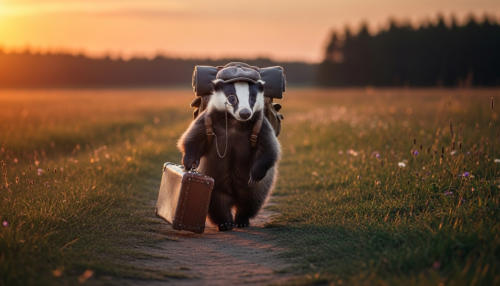
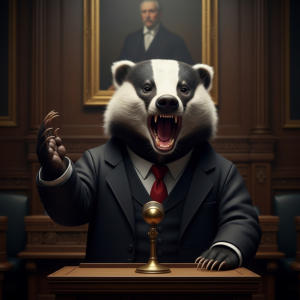
Alright, buckle up - Brexit is one of those topics that mixes politics, history, economics and a lot of national soul-searching.
Brexit





 Pubs
Pubs Open Map in New Window
 England
 Scotland
 Wales
Wales Ireland
 County Map
 About Britain
 Pubs
Pubs British Beer
 Perfect Pint
 Beer Glasses
 The Barren Years
 Real Fires
 Breweries
 Brewing
 British Food
 Recipes
 Pub Interiors
 Dog Friendly
 Pub Games
 Strange Pub Names
 Visitor Information
 Oldest Pub
 Pub Signs
 Micropubs
 Buildings
 Cathedrals
 Stately Homes
 Castles
 Listed Buildings
 Scheduled Monuments
 Oak Framing
 Architecture
 Thatching
 Waterways
 Sailing
 Shipbuilding
 Boatbuilding
  Shipping Forecast
 Britain's Coastline
 Coastal Locations
 Piers
Piers Lighthouses
 Harbours
 Beach Safety
 British Beaches
 Canals
 Rivers
 Islands
 Lakes
Lakes Waterfalls
 Historical
 Famous People
 Kings & Queens
 Kings of England
 History of Britain
 Industrial Revolution
 Act of Union
 Beaufort Scale
 British Firsts
 World Heritage Sites
 Historical Periods
 Historical Boundaries
 Tradition & Culture
 Morris Dancing
 Film & Television
 Television
 Calendar of Events
 British Sport
 Scottish Highlands
 Money
Money Dry Stone Walling
 British Wildlife
 Class System
 Geographical
 Pub Boundaries
 Facts 'n' Figures
 British Isles
 Other Areas
 Place Name Origins
 Topography
 Suggest an Inn
 Explanation of symbols
 Why Us?
 Places to Visit
 Long Distance Paths
 National Parks
 Areas of Outstanding Natural Beauty
 Coastal Locations
 Other areas of Britain
 Maps
Maps Our Favourite Locations
 Search
 Focus On...
 News
News Contact
 About Us
 Our History
 Donate