Bill of Rights 1689
The Bill of Rights 1689 is a landmark constitutional document in England that established limits on royal authority and codified key civil rights following the Glorious Revolution. It laid the foundation for parliamentary sovereignty and influenced later democratic constitutions, including that of the United States. Key Facts • Date enacted: December 16, 1689 • Monarchs involved: William III of England and Mary II of England • Form: Act of Parliament • Core principle: Supremacy of Parliament over the monarchy • Legacy: Basis for the United Kingdom’s constitutional monarchyHistorical Background
The Bill of Rights emerged from the political upheaval of the Glorious Revolution, when Parliament invited William of Orange and Mary to assume the English throne after James II of England fled the country. The document responded to James II’s abuses of power, ensuring future monarchs could not rule without Parliament’s consent.Main Provisions
The Bill listed specific rights and restrictions: monarchs could not suspend laws, levy taxes, or maintain standing armies without parliamentary approval. It affirmed the right to petition the Crown, free elections, and freedom of speech within Parliament-concepts that became enduring features of British governance. Constitutional Impact By embedding the principle of parliamentary supremacy, the Bill of Rights transformed England into a constitutional monarchy. It curtailed absolute rule, entrenched the rule of law, and strengthened the balance between government and individual liberty. Its influence extended to later legal frameworks such as the United States Bill of Rights and the Declaration of the Rights of Man and of the Citizen.Legacy and Modern Relevance
The Bill remains a cornerstone of the UK constitution, frequently cited in legal and political debates. Many of its provisions continue to shape British parliamentary practice and inform global conceptions of civil and political rights.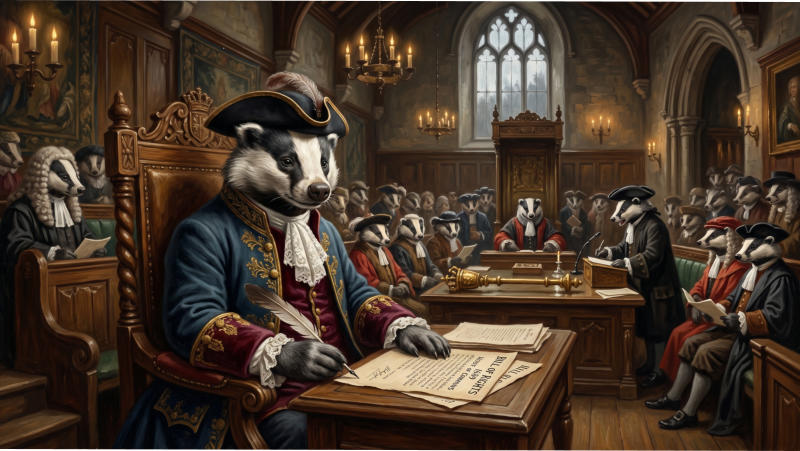
An Act Declaring the Rights and Liberties of the Subject and Settling the Succession of the Crown
And I do declare that no foreign prince, person, prelate, state or potentate hath or ought to have any jurisdiction, power, superiority, pre-eminence or authority, ecclesiastical or spiritual, within this realm. So help me God. All which their Majesties are contented and pleased shall be declared, enacted and established by authority of this present Parliament, and shall stand, remain and be the law of this realm for ever; and the same are by their said Majesties, by and with the advice and consent of the Lords Spiritual and Temporal and Commons in Parliament assembled and by the authority of the same, declared, enacted and established accordingly.

English Bill of Rights











The Bill of Rights (1689) is a constitutional document that limited the powers of the monarchy and established key rights for Parliament and
individuals. It helped shape modern democracy in Britain and influenced later documents like the United States Bill of Rights.

 Pubs
 Open Map in New Window
 England
 Scotland
 Wales
 Ireland
 County Map
 About Britain
 Pubs
 British Beer
 Perfect Pint
 Beer Glasses
 The Barren Years
 Real Fires
 Breweries
 Brewing
 British Food
 Recipes
 Pub Interiors
 Dog Friendly
 Pub Games
 Strange Pub Names
 Visitor Information
 Oldest Pub
 Pub Signs
 Micropubs
 Buildings
 Cathedrals
 Stately Homes
 Castles
 Listed Buildings
 Scheduled Monuments
 Oak Framing
 Architecture
 Thatching
 Waterways
 Sailing
 Shipbuilding
 Boatbuilding
 Shipping Forecast
 Britain's Coastline
 Coastal Locations
 Piers
 Lighthouses
 Harbours
 Beach Safety
 British Beaches
 Canals
 Rivers
 Islands
 Lakes
 Waterfalls
 Historical
 Famous People
 Kings & Queens
 Kings of England
 History of Britain
 Industrial Revolution
 Act of Union
 Beaufort Scale
 British Firsts
 World Heritage Sites
 Historical Periods
 Historical Boundaries
 Tradition & Culture
 Morris Dancing
 Film & Television
 Television
 Calendar of Events
 British Sport
 Scottish Highlands
 Money
 Dry Stone Walling
 British Wildlife
 Class System
 Geographical
 Pub Boundaries
 Facts 'n' Figures
 British Isles
 Other Areas
 Place Name Origins
 Topography
 Suggest an Inn
 Explanation of symbols
 Why Us?
 Places to Visit
 Long Distance Paths
 National Parks
 Areas of Outstanding Natural Beauty
 Coastal Locations
 Other areas of Britain
 Maps
 Our Favourite Locations
 Search
 Focus On...
 News
 Contact
 About Us
 Our History
 Donate
