The phrase "the empire on which the sun never sets" was often used because there was always at least one part of the empire in daylight.
Many people today see the British Empire as an embarrassing part of British history, however the period of time when “lands were conquered” was mostly the
normal way people around the world lived. The British were just very good at it!
How did it begin?
The British Empire grew gradually over more than 300 years. Its origins lie in the late 16th century, when England began establishing overseas colonies and trading posts. Key early milestones included: • 1583 – England claimed Newfoundland. • 1607 – The first permanent English settlement in North America was established at Jamestown, Virginia. • 1600 – The East India Company was founded, eventually becoming one of the most powerful commercial organisations in history. • During the 17th century, colonies were founded across the Caribbean and North America. Initially, these settlements were intended to support trade, secure naval bases, and provide access to valuable commodities such as sugar, tobacco and spices.Expansion into a global empire
During the 18th century, Britain defeated rival European powers, particularly France, in conflicts including the Seven Years' War (1756–1763). These victories gave Britain control of Canada and strengthened its influence in India. The Industrial Revolution accelerated imperial expansion. Britain's factories required raw materials such as cotton, rubber and minerals, while overseas markets became important destinations for manufactured goods. By the late 19th century, Britain controlled territories across every inhabited continent.The empire at its height
Around 1920, the empire included:Asia
• British India (modern India, Pakistan and Bangladesh) • Malaya • Burma (Myanmar) • Hong Kong • SingaporeAfrica
• Egypt • Sudan • Kenya • Uganda • Nigeria • Ghana (then the Gold Coast) • South Africa • Rhodesia (Zimbabwe and Zambia)North America
• Canada • Newfoundland (until 1949) • Numerous Caribbean islandsOceania
• Australia • New Zealand • Fiji • PapuaEurope
• Malta • Gibraltar • Cyprus In total, Britain controlled territories on every continent.Governance
Not every part of the empire was administered in the same way. Some territories were: • Crown Colonies, governed directly from London. • Dominions, such as Canada and Australia, with significant self-government. • Protectorates, where Britain controlled foreign affairs while local rulers remained in place. • Territories administered by chartered companies, particularly during the empire's early phases. The British Parliament, the Colonial Office and the Foreign Office all played roles in imperial administration.The Royal Navy
The empire depended on sea power. For much of the 19th century, the Royal Navy was the world's most powerful navy. It: • Protected trade routes. • Suppressed piracy. • Enforced British influence overseas. • Helped secure colonies. • Transported troops and supplies around the globe. Britain also developed an extensive network of coaling stations and naval bases that allowed steam-powered ships to operate worldwide.Trade and wealth
The empire was closely linked to global trade. Britain imported: • Tea from India and Ceylon (Sri Lanka) • Cotton from India and Egypt • Rubber from Malaya • Wool from Australia • Gold and diamonds from South Africa • Sugar from the Caribbean British factories then exported machinery, textiles and manufactured goods around the world. London became the world's leading financial centre during the 19th century.Science and infrastructure
Imperial rule coincided with major investments in infrastructure in many territories, including: • Railways • Roads • Bridges • Ports • Telegraph systems • Schools • Universities • Hospitals Some of these projects transformed local economies and remain in use today. English also spread widely and became an international language.The darker side of empire
Modern historians emphasise that the empire brought significant costs as well as developments. Criticisms include: • Conquest through military force. • Dispossession of Indigenous peoples in many regions. • Economic exploitation of colonies. • Racial discrimination and unequal legal systems. • Famines in which British policies have been criticised for worsening suffering. • Cultural suppression and loss of local traditions in some territories. The empire also played a major role in the Atlantic slave trade during the 17th and 18th centuries. Although Britain later abolished the slave trade in 1807 and slavery throughout most of the empire in 1833, the wealth generated from slavery had already contributed to Britain's economic development. As a result, assessments of the British Empire vary considerably. Some highlight the spread of legal institutions, parliamentary traditions, education and infrastructure, while others focus on coercion, exploitation and the lasting effects of colonial rule. Both perspectives are important to understanding its history although when Britain was fighting over lands, so was the rest of the world.The World Wars
The empire played a crucial role in both World Wars. Millions of soldiers, sailors and airmen came from across the empire and later the Commonwealth. Troops from: • India • Canada • Australia • New Zealand • South Africa • Africa • the Caribbean served alongside British forces. India alone contributed over 2.5 million volunteers during the Second World War - the largest volunteer army in history.Decline
Several factors contributed: • The enormous cost of two World Wars. • Rising nationalist movements in many colonies. • Pressure for self-government. • Changing international attitudes towards colonialism. • The emergence of the United States and the Soviet Union as global superpowers. A landmark moment came in 1947, when India and Pakistan became independent. Over the following decades, most remaining colonies achieved independence.The Commonwealth
Although the empire largely disappeared, many former territories chose to remain connected through the Commonwealth of Nations. Today, the Commonwealth consists of 56 independent member states that cooperate on issues such as education, development, sport and governance. Membership is voluntary and most members are former parts of the British Empire, though a few joined without having been British colonies.Legacy
The British Empire has left a profound and complex legacy that is still evident today: • English is one of the world's most widely spoken languages. • Many countries use legal and parliamentary systems influenced by Britain. • Cricket, rugby and association football spread globally through imperial connections. • Railways, ports and institutions established during the imperial period remain significant in many countries. • Migration from former colonies has shaped modern British society. • Many British inventions changed the future of other countries. • Debates about colonialism, historical responsibility, restitution and the return of cultural artefacts continue. The British Empire was neither wholly beneficial nor wholly harmful. It was a vast and diverse enterprise that evolved over centuries, producing advances in trade, science and infrastructure while also involving conquest, inequality and exploitation. Understanding it requires recognising both the achievements associated with imperial expansion and the profound human costs experienced by many of the people who lived under British rule.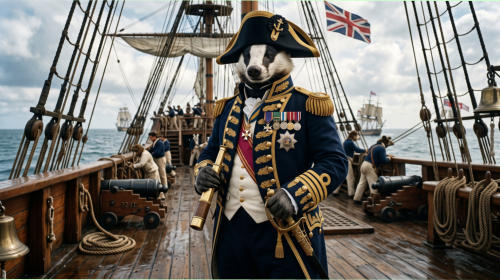


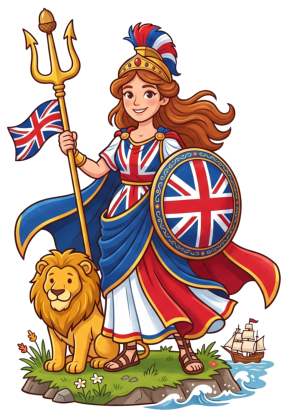
The British Empire











The largest empire in history. At its height in the early 20th century, it ruled over around 458 million people - roughly one in four of the world's
population - and covered about 35.5 million square kilometres (13.7 million square miles), nearly a quarter of the Earth's land surface.

 Pubs
Pubs Open Map in New Window
 England
 Scotland
 Wales
Wales Ireland
 County Map
 About Britain
 Pubs
Pubs British Beer
 Perfect Pint
 Beer Glasses
 The Barren Years
 Real Fires
 Breweries
 Brewing
 British Food
 Recipes
 Pub Interiors
 Dog Friendly
 Pub Games
 Strange Pub Names
 Visitor Information
 Oldest Pub
 Pub Signs
 Micropubs
 Buildings
 Cathedrals
 Stately Homes
 Castles
 Listed Buildings
 Scheduled Monuments
 Oak Framing
 Architecture
 Thatching
 Waterways
 Sailing
 Shipbuilding
 Boatbuilding
  Shipping Forecast
 Britain's Coastline
 Coastal Locations
 Piers
Piers Lighthouses
 Harbours
 Beach Safety
 British Beaches
 Canals
 Rivers
 Islands
 Lakes
Lakes Waterfalls
 Historical
 Famous People
 Kings & Queens
 Kings of England
 History of Britain
 Industrial Revolution
 Act of Union
 Beaufort Scale
 British Firsts
 World Heritage Sites
 Historical Periods
 Historical Boundaries
 Tradition & Culture
 Morris Dancing
 Film & Television
 Television
 Calendar of Events
 British Sport
 Scottish Highlands
 Money
Money Dry Stone Walling
 British Wildlife
 Class System
 Geographical
 Pub Boundaries
 Facts 'n' Figures
 British Isles
 Other Areas
 Place Name Origins
 Topography
 Suggest an Inn
 Explanation of symbols
 Why Us?
 Places to Visit
 Long Distance Paths
 National Parks
 Areas of Outstanding Natural Beauty
 Coastal Locations
 Other areas of Britain
 Maps
Maps Our Favourite Locations
 Search
 Focus On...
 News
News Contact
 About Us
 Our History
 Donate