They consist of three professional services:
•
British Army
•
Royal Navy (which includes the Royal Marines)
•
Royal Air Force
They are commanded by the monarch as Commander-in-Chief, although in practice military operations are directed by the Government and the Ministry of Defence.A brief history
Britain has maintained military forces for centuries, but the modern armed forces developed over several hundred years.The Royal Navy
The Royal Navy traces its origins to the 16th century under Henry VIII. It became the world's dominant naval power after victories such as: • The defeat of the Spanish Armada (1588) • The Battle of Trafalgar (1805), led by Admiral Horatio Nelson During the 19th century, the Royal Navy protected Britain's global trade routes and the British Empire, making Britain the leading maritime power.The British Army
The British Army was formally established in 1707 following the union of England and Scotland. It has fought in conflicts including: • The Napoleonic Wars • The Crimean War • The Boer Wars • The First World War • The Second World War • Korea • The Falklands War • Iraq • AfghanistanThe Royal Air Force
The Royal Air Force (RAF) was formed on 1 April 1918, becoming the world's first independent air force. Its most famous achievement was the Battle of Britain in 1940, when RAF pilots successfully defended Britain against sustained attacks by Nazi Germany.The three services
British Army
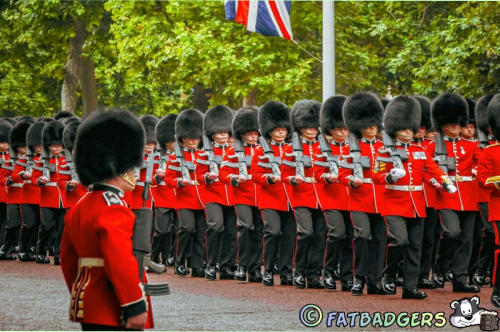
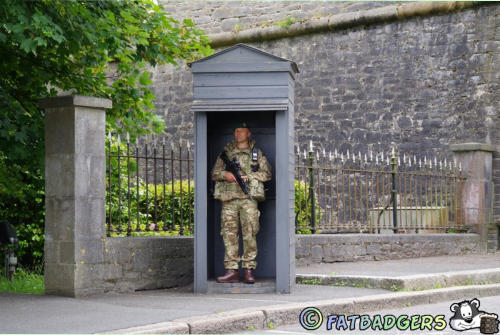
The Army is responsible for land operations. Its roles include: • Combat operations • Peacekeeping • Disaster relief • Counter-terrorism support • Humanitarian assistance • Engineering and logistics It is organised into regiments and corps, including: • Household Division • Royal Armoured Corps • Royal Regiment of Artillery • Corps of Royal Engineers • Royal Signals • Army Air Corps • Royal Logistic Corps There are several places in the UK where military activity can be seen from public roads, footpaths or designated viewing areas. Many of these areas are also excellent places to learn about military history and equipment. Salisbury Plain Training Area, Otterburn Training Area, Catterick Garrison, Brecon Beacons, Dartmoor Training Area and Stanford Training Area all have regular action but probably the best place to see tanks in the UK is The Tank Museum in Bovington, Dorset, which houses the world's finest and most comprehensive collection of armoured vehicles.Royal Navy
The Royal Navy protects Britain's interests at sea. When not on manoeuvres around the world, many of Britain’s naval fleet can be seen at locations around the UK but mainly at Portsmouth and Plymouth harbours in England and submarines at Faslane in Scotland. Shipbuilding whilst in great decline in recent years in the UK can still be seen on the River Clyde in Scotland and Portsmouth in England. Its responsibilities include: • Defending UK waters • Protecting shipping • Nuclear deterrence • Maritime security • Humanitarian operations • International deployments The Royal Navy operates: • Aircraft carriers • Destroyers • Frigates • Nuclear-powered submarines • Mine countermeasure vessels • Patrol ships The Royal Marines form the UK's specialist amphibious and commando force and are renowned for operating in demanding environments, from the Arctic to deserts and coastal regions.Royal Air Force
The RAF provides air and space power. Its duties include: • Air defence • Air superiority • Strategic transport • Aerial refuelling • Intelligence gathering • Search and rescue support • Cyber and space operations The RAF flies aircraft including: • Typhoon fighters • F-35 Lightning II • A400M Atlas transport aircraft • C-17 Globemaster • Voyager tankers • Chinook helicopters • Poseidon maritime patrol aircraft If you're hoping to see military aircraft in action, the UK is one of the best places in Europe. From RAF fighter bases to famous low-flying valleys and major air shows, there are plenty of opportunities to watch everything from Typhoons and F-35s to Chinooks and transport aircraft. RAF Coningsby is widely regarded as Britain's premier location for aircraft enthusiasts whilst RAF Lakenheath is home to the United States Air Force in Europe. RAF Lossiemouth operates Typhoon fighters and Poseidon P-8 maritime patrol aircraft and the Scottish scenery makes it particularly photogenic. RAF Brize Norton is the RAF's main transport hub and RAF Odiham is famous for Chinook helicopters, Helicopter training and Tactical flying. The Mach Loop is arguably the UK's most famous military aviation location. Aircraft fly through valleys at very low altitude, including: • RAF Typhoons • Hawk trainers • F-35s • Visiting NATO fast jets • Occasionally transport aircraft Popular viewing points include Cad East, Cad West, Bwlch and Bluebell. If your interest is seeing aircraft up close, RAF Cosford is one of the very best places in Britain. The museum is free to enter (parking is charged) and houses one of Europe's finest collections of military aircraft. However, since the Shoreham Airshow disaster, which was one of the worst aviation disasters in modern British history on 22 August 2015 with 11 fatalities on the ground, the Civil Aviation Authority (CAA) introduced stricter rules making it difficult to watch air shows from the surrounding areas.The nuclear deterrent
Britain maintains a continuous at-sea nuclear deterrent through the Royal Navy. Four Vanguard-class submarines carry the UK's nuclear weapons, with at least one submarine on patrol at all times. This policy, known as Continuous At-Sea Deterrence (CASD), has been maintained since 1969.Special Forces
The UK's Special Forces are among the most respected in the world. They include: • Special Air Service (SAS) • Special Boat Service (SBS) • Special Reconnaissance Regiment (SRR) • Special Forces Support Group (SFSG) Much of their work remains classified.International role
British forces regularly work alongside allies through: • North Atlantic Treaty Organization (NATO) • United Nations peacekeeping missions • Joint Expeditionary Force • Five Eyes intelligence partnership • Bilateral defence agreements The UK has military bases or permanent facilities in locations including: • Cyprus • Gibraltar • the Falkland Islands • Bahrain • BruneiEquipment and technology
The British Armed Forces use advanced technology, including: • Aircraft carriers • Stealth fighters • Precision-guided missiles • Drones • Cyber-defence systems • Satellite communications • Nuclear-powered submarines • Modern armoured vehicles Investment is also increasing in artificial intelligence, autonomous systems and space capabilities.Training
Military personnel undergo rigorous training before joining operational units. Training emphasises: • Leadership • Physical fitness • Discipline • Technical skills • Teamwork • Decision-making under pressure Many officers are trained at: • Royal Military Academy Sandhurst • Britannia Royal Naval College • Royal Air Force College CranwellMilitary honours
The British honours system recognises exceptional service and bravery. Among the best-known decorations are: • Victoria Cross (VC) – the highest award for gallantry in the face of the enemy. • George Cross (GC) – awarded for the greatest heroism not in the presence of the enemy. • Distinguished Service Order (DSO) • Military Cross (MC) • Distinguished Flying Cross (DFC)Humanitarian work
The Armed Forces are frequently called upon to support civil authorities by: • Assisting during floods and storms • Delivering emergency aid overseas • Supporting vaccination and public health programmes • Conducting search and rescue support • Helping after earthquakes, hurricanes and other natural disastersReputation
The British Armed Forces are generally regarded as among the world's most capable and professional military organisations. While they are smaller than during the era of the British Empire or the Cold War, they retain significant global reach through advanced technology, highly trained personnel, intelligence capabilities, nuclear deterrence and close cooperation with allies. Their history spans centuries of conflict, exploration, humanitarian assistance and international partnerships, making them a central part of Britain's national story and continuing role in global security.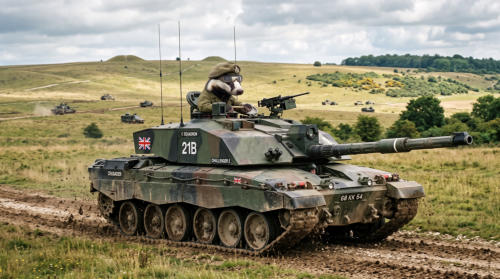




The British Armed Forces











The military forces of the United Kingdom, responsible for defending the nation, protecting its overseas territories, supporting allies and contributing
to international peace and security.

 Pubs
Pubs Open Map in New Window
 England
 Scotland
 Wales
Wales Ireland
 County Map
 About Britain
 Pubs
Pubs British Beer
 Perfect Pint
 Beer Glasses
 The Barren Years
 Real Fires
 Breweries
 Brewing
 British Food
 Recipes
 Pub Interiors
 Dog Friendly
 Pub Games
 Strange Pub Names
 Visitor Information
 Oldest Pub
 Pub Signs
 Micropubs
 Buildings
 Cathedrals
 Stately Homes
 Castles
 Listed Buildings
 Scheduled Monuments
 Oak Framing
 Architecture
 Thatching
 Waterways
 Sailing
 Shipbuilding
 Boatbuilding
  Shipping Forecast
 Britain's Coastline
 Coastal Locations
 Piers
Piers Lighthouses
 Harbours
 Beach Safety
 British Beaches
 Canals
 Rivers
 Islands
 Lakes
Lakes Waterfalls
 Historical
 Famous People
 Kings & Queens
 Kings of England
 History of Britain
 Industrial Revolution
 Act of Union
 Beaufort Scale
 British Firsts
 World Heritage Sites
 Historical Periods
 Historical Boundaries
 Tradition & Culture
 Morris Dancing
 Film & Television
 Television
 Calendar of Events
 British Sport
 Scottish Highlands
 Money
Money Dry Stone Walling
 British Wildlife
 Class System
 Geographical
 Pub Boundaries
 Facts 'n' Figures
 British Isles
 Other Areas
 Place Name Origins
 Topography
 Suggest an Inn
 Explanation of symbols
 Why Us?
 Places to Visit
 Long Distance Paths
 National Parks
 Areas of Outstanding Natural Beauty
 Coastal Locations
 Other areas of Britain
 Maps
Maps Our Favourite Locations
 Search
 Focus On...
 News
News Contact
 About Us
 Our History
 Donate