What is the Civil Service?
The Civil Service supports ministers and government departments by: • developing policy, • managing public services, • administering benefits and taxes, • drafting legislation, • providing expert advice, • and ensuring government decisions are carried out. Civil servants work for the Crown rather than for a political party.Origins
Before the 19th century, government jobs were often obtained through patronage and personal connections. Modern reforms began after the publication of the: • Northcote–Trevelyan Report The report recommended: • recruitment based on merit, • competitive examinations, • promotion based on ability rather than social status. These reforms laid the foundations of the modern professional Civil Service.Principles
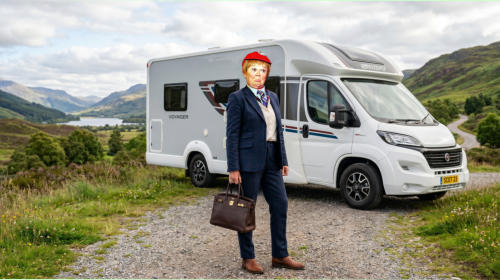
The Civil Service is based on four main values: • Integrity • Honesty • Objectivity • Impartiality A civil servant is expected to serve governments of different political parties equally professionally. However in the 21st century it seems that the idea of serving the government and the people appears to have been forgotten - or at least we now know about it due to social media. It seems that now, politicians will also blame civil servants for their own shortcomings or if it suits them and their political needs, blame other politicians for the wrongdoings of civil servants. Partygate was a major political scandal involving gatherings held in UK government buildings during periods when COVID-19 restrictions limited social contact for the general public. Despite Kier Starmer and other Labour MP’s being photographed drinking beer and eating curry which was deemed to not be a breach of the rules, they hounded out Prime Minister Boris Johnson who was forced to resign for parties being held in Downing Street and Whitehall which were attended not by politicians but civil servants. Those civil servants however didn’t have to resign, but started working for the new Labour government when they won the next general election. One civil servant, Dominic Cummings managed to come up with an excuse for driving from one end of the country to the other which many MP’s would have been proud of - he was nearly blind so had to drive to Barnard Castle to get his eyes tested. Like many MP’s he expected the general public to believe his excuse. Just like Nicola Sturgeon of the Scottish National Party who thought the general public would believe her when she said the expensive knickers her husband bought were not for her and the expensive handbag she was carrying had fallen off the back of a fast moving motorhome.Structure
Civil servants work in government departments such as: • HM Treasury • Home Office • Foreign, Commonwealth and Development Office • Department of Health and Social Care At the top of each department is a Permanent Secretary, the most senior civil servant in that department.Size
The Civil Service employs hundreds of thousands of people across the UK in roles ranging from: • economists, • scientists, • diplomats, • lawyers, • policy advisers, • tax administrators, • and operational staff. It is one of the largest employers in the country.The "Whitehall" connection
The Civil Service is often referred to as "Whitehall", after: • Whitehall the London street where many government departments are located. When newspapers report that "Whitehall has decided" or "Whitehall officials believe," they are usually referring to ministers, senior civil servants, or both.Importance
The Civil Service provides continuity in government. Because civil servants remain in place when administrations change, they help ensure: • stable government, • institutional memory, • and the effective delivery of public services. This permanent, impartial Civil Service is often considered one of the key features of the British constitutional system and has influenced public administration systems around the world.
British Civil Service











The permanent, politically impartial body of officials who help run the government and implement the policies of whichever party is in power.
Unlike politicians, civil servants are not elected and usually remain in their jobs when governments change.

 Pubs
Pubs Open Map in New Window
 England
 Scotland
 Wales
Wales Ireland
 County Map
 About Britain
 Pubs
Pubs British Beer
 Perfect Pint
 Beer Glasses
 The Barren Years
 Real Fires
 Breweries
 Brewing
 British Food
 Recipes
 Pub Interiors
 Dog Friendly
 Pub Games
 Strange Pub Names
 Visitor Information
 Oldest Pub
 Pub Signs
 Micropubs
 Buildings
 Cathedrals
 Stately Homes
 Castles
 Listed Buildings
 Scheduled Monuments
 Oak Framing
 Architecture
 Thatching
 Waterways
 Sailing
 Shipbuilding
 Boatbuilding
  Shipping Forecast
 Britain's Coastline
 Coastal Locations
 Piers
Piers Lighthouses
 Harbours
 Beach Safety
 British Beaches
 Canals
 Rivers
 Islands
 Lakes
Lakes Waterfalls
 Historical
 Famous People
 Kings & Queens
 Kings of England
 History of Britain
 Industrial Revolution
 Act of Union
 Beaufort Scale
 British Firsts
 World Heritage Sites
 Historical Periods
 Historical Boundaries
 Tradition & Culture
 Morris Dancing
 Film & Television
 Television
 Calendar of Events
 British Sport
 Scottish Highlands
 Money
Money Dry Stone Walling
 British Wildlife
 Class System
 Geographical
 Pub Boundaries
 Facts 'n' Figures
 British Isles
 Other Areas
 Place Name Origins
 Topography
 Suggest an Inn
 Explanation of symbols
 Why Us?
 Places to Visit
 Long Distance Paths
 National Parks
 Areas of Outstanding Natural Beauty
 Coastal Locations
 Other areas of Britain
 Maps
Maps Our Favourite Locations
 Search
 Focus On...
 News
News Contact
 About Us
 Our History
 Donate