News
Raptor
The UK is home to a fascinating variety of raptors (birds of prey), known for their sharp talons, hooked beaks, and keen eyesight. These powerful hunters play a crucial role in maintaining the balance of ecosystems by controlling the populations of small mammals, birds, and other prey. British raptors can be found across various habitats, from the rugged highlands of Scotland to the rolling hills and woodlands of England and Wales.Peregrine Falcon (Falco peregrinus)
Description:
The Peregrine Falcon is the fastest bird in the world, capable of reaching speeds over 200 mph during its hunting stoop (dive). It has blue-grey upper parts, a white underside with dark bars, and a distinctive dark "moustache" marking on its face.Habitat:
Found in both urban and rural areas, especially on cliffs, tall buildings, and rocky crags.Diet:
Primarily preys on birds, often catching them in mid-air.Conservation:
Once endangered due to pesticide use, Peregrine Falcons have made a strong recovery and can now be seen across much of the UK.Common Buzzard (Buteo buteo)
Description:
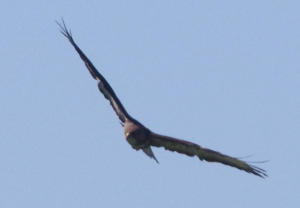
The Common Buzzard is the most widespread raptor in the UK. It has broad wings, a short neck, and a variety of plumage colors, ranging from dark brown to pale brown. Buzzards are often seen soaring in circles, calling with a distinctive mewing sound.Habitat:
Found in woodlands, farmland, and open countryside.Diet:
Opportunistic feeders, they hunt small mammals, birds, and carrion.Conservation:
Buzzard populations have increased significantly in recent decades and are now common throughout the UK.Red Kite (Milvus milvus)
Description:
Recognizable by its forked tail and graceful flight, the Red Kite has reddish-brown plumage with a pale head. It is a large bird with long wings and often soars with a distinctive, slow, gliding flight.Habitat:
Often seen in woodlands and farmland, especially in Wales, central England, and Scotland.Diet:
Primarily a scavenger, feeding on carrion, but will also take small mammals and birds.Conservation:
Once nearly extinct in the UK, Red Kites have been successfully reintroduced and are now thriving in many areas.Sparrowhawk (Accipiter nisus)
Description:
A small, agile raptor, the Sparrowhawk has short, broad wings and a long tail, which allow it to manoeuvrer through dense vegetation. Males have a bluish- grey back and orange-barred underparts, while females are larger and browner.Habitat:
Found in woodlands, gardens, and urban areas.Diet:
Specializes in hunting small birds, often ambushing them in sudden, surprise attacks.Conservation:
Sparrowhawk populations have recovered well after declines in the mid-20th century due to pesticide use.Kestrel (Falco tinnunculus)
Description:
The Kestrel is a small falcon known for its hovering flight, where it hangs in the air searching for prey. It has chestnut-brown upper parts, a pale underside with black spots, and a distinctive black "moustache" marking.Habitat:
Found in open countryside, farmland, and along roadsides.Diet:
Primarily feeds on small mammals, such as voles, but will also take insects and small birds.Conservation:
Kestrels are still relatively common, but their numbers have declined in recent years due to changes in agricultural practices.Barn Owl (Tyto alba)
Description:
The Barn Owl is known for its heart-shaped face, white underparts, and golden-buff upper parts. Its ghostly appearance and silent flight make it one of the most recognizable and enigmatic birds of prey in the UK.Habitat:
Found in open countryside, farmland, and grasslands, often nesting in barns or hollow trees.Diet:
Feeds almost exclusively on small mammals, particularly voles, mice, and shrews.Conservation:
Although still widespread, Barn Owls have faced habitat loss and a decline in suitable nesting sites. Conservation efforts are helping to stabilize their populations.Goshawk (Accipiter gentilis)
Description:
A larger relative of the Sparrowhawk, the Goshawk is a powerful and secretive bird of prey with broad wings and a long tail. It has dark grey upper parts and a pale underside with fine barring.Habitat:
Prefers large, mature woodlands, especially coniferous forests.Diet:
Hunts a variety of prey, including birds, mammals, and even larger animals like rabbits and hares.Conservation:
Goshawks were once nearly extinct in the UK but have made a slow recovery, particularly in Scotland and Wales.Tawny Owl (Strix aluco)
Description:
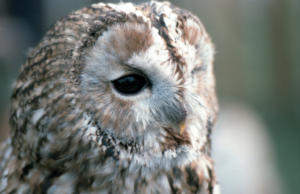
The Tawny Owl is a medium-sized owl, measuring around 37-39 cm (14.5-15.5 inches) in length, with a wingspan of 94-104 cm (37-41 inches).Habitat:
Woodlands: Tawny Owls are most commonly found in deciduous and mixed woodlands, where there are plenty of trees for roosting and nesting. They also inhabit parks, large gardens, and even urban areas with mature trees. Nesting: They often nest in tree cavities, but will also use nest boxes, old buildings, or the abandoned nests of other birds.Diet:
The Tawny Owl is strictly nocturnal, hunting primarily at night. It is an ambush predator, using its exceptional hearing to locate prey in the dark. It feeds on small mammals, particularly voles and mice, as well as birds, insects, and amphibians.Conservation:
The Tawny Owl is classified as a species of "Least Concern" and has a stable population in the UK. However, like many woodland species, it can be affected by habitat loss, particularly the removal of mature trees and old woodlands.Hen Harrier (Circus cyaneus)
Description:
The Hen Harrier is a slim, long-winged raptor with a distinctive low, gliding flight. Males are pale grey with black wing tips, while females, known as "ringtails," are brown with a white rump.Habitat:
Found in upland moorland and coastal marshes, particularly in Scotland and northern England.Diet:
Feeds on small mammals and birds, including grouse.Conservation:
Hen Harriers are one of the UK’s most persecuted birds due to conflicts with game management. Their populations are critically low, and they are the focus of significant conservation efforts.Merlin (Falco columbarius)
Description:
The Merlin is the UK’s smallest falcon, with a compact body and a rapid flight. Males have blue-grey upper parts and a reddish-brown underside, while females are browner.Habitat:
Prefers open moorlands and coastal marshes but can be seen in lowland areas during the winter.Diet:
Primarily hunts small birds, often chasing them in fast, low flights.Conservation:
Merlin populations are stable but localized, with the species favouring specific upland habitats.Long-eared Owl (Asio otus)
Description:
• Size: Medium-sized owl, measuring about 31-37 cm (12-15 inches) in length with a wingspan of 86-98 cm (34-39 inches). • Plumage: The Long-eared Owl has mottled brown and buff plumage, which provides excellent camouflage against tree bark. Its underparts are streaked with dark brown and pale feathers. • Ear Tufts: The most distinctive feature of this owl is its long ear tufts, which are often held upright and can make the bird look more elongated. These tufts are not always visible and can be flattened when the bird is at rest. • Eyes: It has striking orange eyes that stand out against its facial disk, which is usually pale with darker surrounding feathers.Habitat:
• Woodlands and Forests: Long-eared Owls prefer dense woodlands, particularly coniferous forests, where they can roost and nest. They are also found in mixed woodlands, scrublands, and sometimes in large hedgerows or plantation forests. • Roosting: During the day, these owls often roost in dense foliage, making them difficult to spot. They are nocturnal and are more active at night when they hunt.Diet:
The Long-eared Owl is primarily active at night, hunting small mammals such as voles, mice, and occasionally birds. It hunts by flying low over the ground and using its exceptional hearing to detect prey in the dark.Conservation:
The Long-eared Owl is currently classified as a species of "Least Concern" on a global scale, but in the UK, it is less common than other owl species. Its population is considered stable, but it faces threats from habitat loss, particularly the decline of suitable nesting and roosting sites.Osprey (Pandion haliaetus)
Description:
The Osprey is a large fish-eating raptor with dark brown upper parts, white underparts, and a distinctive dark eye stripe. It is known for its dramatic fishing technique, diving feet-first into the water to catch fish.Habitat:
Found near large bodies of water, such as lakes, rivers, and coastal estuaries.Diet:
Exclusively feeds on fish.Conservation:
Ospreys were once extinct in the UK but have successfully recolonized through reintroduction efforts, particularly in Scotland, where they are now a conservation success story.Hobby (Falco subbuteo)
Description:
The Hobby is a small, slender falcon with a striking resemblance to a large swift. It has dark upper parts, a white throat, and a reddish "trousers" marking. Known for its acrobatic flight, it often catches insects in mid-air.Habitat:
Prefers open woodlands, heathlands, and wetlands, especially in southern England.Diet:
Feeds on large insects like dragonflies and small birds, such as swifts and swallows.Conservation:
Hobbies are summer visitors to the UK, migrating to Africa for the winter. Their populations are relatively stable.Conservation and Threats
While many raptors in the UK have made remarkable recoveries from historical declines, they still face challenges. Habitat loss, illegal persecution (especially in relation to game bird management), and environmental changes continue to pose threats to these birds. Conservation efforts focus on protecting habitats, monitoring populations, and enforcing laws against illegal killing. Where to See British Raptors Nature Reserves: RSPB reserves like the Forest of Bowland (for Hen Harriers), Loch Garten (for Ospreys), and Leighton Moss (for Marsh Harriers) are excellent places to observe raptors. National Parks: The UK's national parks, such as the Cairngorms, Peak District, and Dartmoor, provide diverse habitats that support various raptor species. Urban Areas: Peregrine Falcons and Sparrowhawks are increasingly common in cities, where they nest on tall buildings and hunt urban prey. British raptors are a vital and captivating part of the natural world, symbolizing power, grace, and the intricate balance of ecosystems. Whether you’re in the wilds of Scotland or the heart of a city, these birds of prey are a testament to the UK’s rich wildlife heritage. Observing them in their natural habitats is a rewarding experience for any nature enthusiast or birdwatcher.




 Pubs
 Open Map in New Window
 England
 Scotland
 Wales
 Ireland
 County Map
 About Britain
 Pubs
 British Beer
 Perfect Pint
 Beer Glasses
 The Barren Years
 Real Fires
 Breweries
 Brewing
 British Food
 Recipes
 Pub Interiors
 Dog Friendly
 Pub Games
 Strange Pub Names
 Visitor Information
 Oldest Pub
 Pub Signs
 Micropubs
 Buildings
 Cathedrals
 Stately Homes
 Castles
 Listed Buildings
 Scheduled Monuments
 Oak Framing
 Architecture
 Thatching
 Waterways
 Sailing
 Shipbuilding
 Boatbuilding
 Shipping Forecast
 Britain's Coastline
 Coastal Locations
 Piers
 Lighthouses
 Harbours
 Beach Safety
 British Beaches
 Canals
 Rivers
 Islands
 Lakes
 Waterfalls
 Historical
 Famous People
 Kings & Queens
 Kings of England
 History of Britain
 Industrial Revolution
 Act of Union
 Beaufort Scale
 British Firsts
 World Heritage Sites
 Historical Periods
 Historical Boundaries
 Tradition & Culture
 Morris Dancing
 Film & Television
 Television
 Calendar of Events
 British Sport
 Scottish Highlands
 Money
 Dry Stone Walling
 British Wildlife
 Class System
 Geographical
 Pub Boundaries
 Facts 'n' Figures
 British Isles
 Other Areas
 Place Name Origins
 Topography
 Suggest an Inn
 Explanation of symbols
 Why Us?
 Places to Visit
 Long Distance Paths
 National Parks
 Areas of Outstanding Natural Beauty
 Coastal Locations
 Other areas of Britain
 Maps
 Our Favourite Locations
 Search
 Focus On...
 News
 Contact
 About Us
 Our History
 Donate